Marathon’s faction system is one of the core mechanics shaping how progression, survivability, and moment-to-moment decision-making work across an entire season. Rather than acting as passive lore or cosmetic alignment, factions directly influence how your Runner performs in combat, how much risk you can absorb, and how efficiently you move through Tau Ceti IV.
Every contract you accept reinforces a specific playstyle. Factions don’t function like traditional classes or locked roles—instead, they reward repeatable behaviors, smart risk management, and long-term planning. Players who understand this system early gain meaningful advantages in consistency, gear access, and seasonal progression.
In this guide, we’ll cover:
- How Marathon’s faction system works and why it’s central to the gameplay loop
- What contracts do, how they’re completed in the field, and how failure is handled
- A breakdown of all six factions and the playstyles they support
- How faction upgrades affect survivability, efficiency, and extraction success
- When and why progressing multiple factions is optimal
- How seasonal resets shape balance, experimentation, and long-term meta shifts
TL;DR — Marathon Factions in Gameplay Terms
Marathon features six factions, each acting as a different gameplay modifier rather than a story choice.
- Contracts grant XP, seasonal upgrades, and gear access
- Upgrades apply permanently for the season
- You can progress multiple factions simultaneously
- No faction locking or allegiance penalties
- All progression resets each season, encouraging experimentation
- Factions don’t decide who you are. They decide how efficiently you survive.
Marathon Factions Gameplay Overview (Quick Comparison)
This table gives readers an immediate sense of what each faction is actually good for in real matches, before diving into details.
| Faction | Best for | Gameplay advantages | When to prioritize |
| CyberAcme | All-round efficiency | Faster cooldowns, larger inventory, smoother runs | Early season, learning phase |
| Arachne | PvP-heavy play | Combat stats, weapon access, faster TTK | High-confidence PvP routes |
| Sekiguchi | Recovery & resilience | Baseline performance, survivability, and forgiveness | Solo play, risky experimentation |
| MIDA | Disruption & control | Explosives, area denial, sabotage tools | Objective-heavy or dense zones |
| Traxus | Late-game power | High-tier weapons, mods, shields | Planned extractions, disciplined play |
| NuCaloric | Mobility & traversal | Faster movement, verticality, escape options | Map control, stealth routes |
Note: While specific values may shift during seasonal balance updates, these core identities remain the stable pillars of your build strategy.
How Factions Work in Marathon
Factions operate as corporate employers offering contracts during your runs. These contracts appear dynamically and are completed in the field, not from menus or hubs.
| Contract type | Primary goal | Risk level | Best for | Failure consequence (high-level) |
| Standard | Consistent objectives (loot, scans, extracts) | Low | Steady progression, learning routes | Time loss only; no lasting penalty |
| Boost | Accelerated faction progression | Medium | Targeted leveling, short focused runs | Missed bonus progress if not completed |
| Priority | High-value, contested objectives | High | Confident squads, coordinated play | Lost objective item or progress for that run |
Completing contracts advances that faction’s Upgrade Tree, unlocking stat bonuses and access to better gear vendors. These upgrades apply across all runs for the remainder of the season, meaning early faction progress compounds quickly.
Crucially, you are never locked out of other factions. Marathon treats you like a mercenary — you work for whoever benefits you most at the moment.
Why Faction Upgrades Matter Moment to Moment
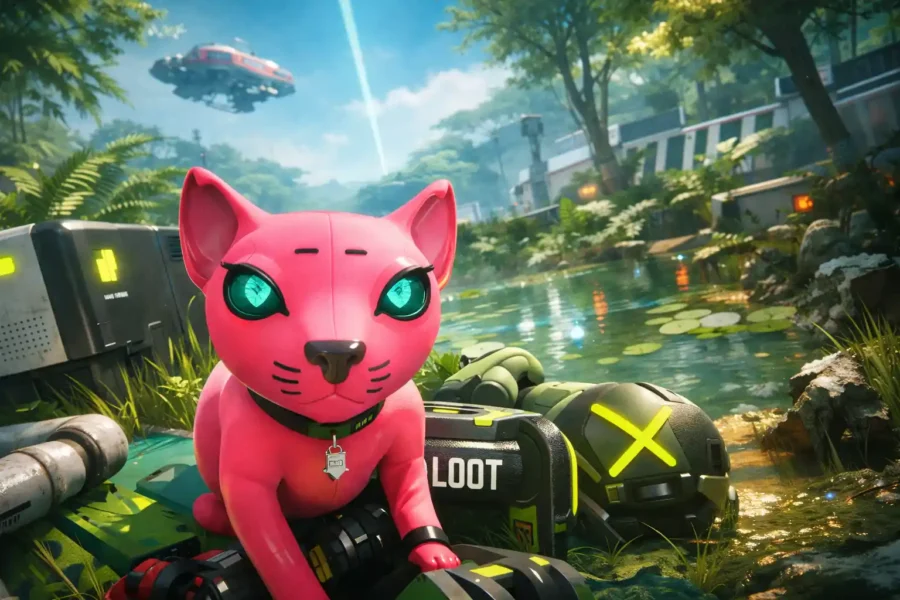
Faction upgrades don’t feel abstract. In a genre where gear loss is a constant threat, these upgrades act as a form of risk management. They affect:
- How long can you stay in combat before disengaging
- How many mistakes can you survive
- How aggressively can you move through contested zones
- How much loot can you safely extract
In extraction shooters, small advantages snowball. A slightly faster cooldown or extra inventory slot often means winning a fight instead of trading, escaping instead of dying, or extracting instead of getting greedy. Faction progression is how Marathon rewards smart, repeatable play, not raw mechanical skill alone.
CyberAcme Contracts: Consistent Performance Across All Playstyles
CyberAcme is the closest thing Marathon has to a baseline optimization faction. Its contracts tend to be broad and flexible, encouraging normal play rather than risky specialization. This makes CyberAcme particularly valuable early in a season, when gear is limited, and mistakes are costly.
Gameplay Impact
CyberAcme upgrades typically improve:
- Ability cooldown speed
- Inventory size and efficiency
- General-purpose stat reliability
These bonuses don’t win fights on their own — but they make every fight slightly easier. CyberAcme is about smoothing friction and reducing downtime, which compounds across dozens of runs. If you don’t know where to start, CyberAcme is usually the safest answer.
Arachne Contracts: Rewarding Aggressive PvP Engagement
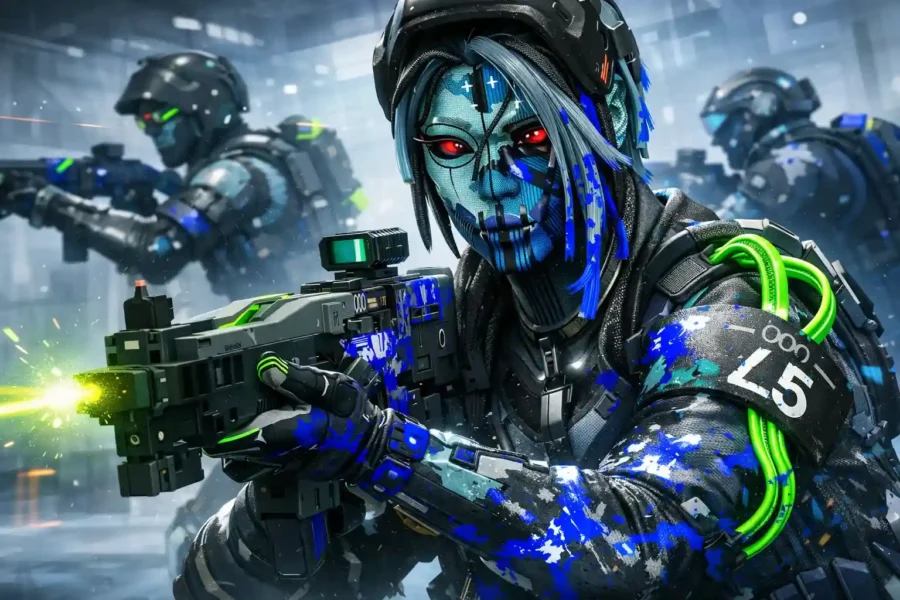
Arachne is the faction for players who actively seek player conflict rather than avoiding it. Their contracts often require eliminations, streaks, or presence in high-traffic zones, pushing you into direct confrontation with other Runners.
Gameplay Impact
Arachne rewards include:
- Combat-oriented stat boosts
- Weapon access tuned for PvP pressure
- Improvements that shorten time-to-kill
Arachne doesn’t make you safer — it makes you deadlier. These upgrades shine when you already have solid positioning and confidence in gunfights. If you plan to fight your way through Tau Ceti IV instead of sneaking around it, Arachne accelerates that playstyle hard.
Sekiguchi Contracts: Resilience and Recovery-Focused Play

Sekiguchi Genetics focuses on what happens after things go wrong. Their contracts often involve retrieving data, research, or lost technology, encouraging exploration rather than combat dominance.
Gameplay Impact
Sekiguchi upgrades typically affect:
- Baseline performance and survivability
- Recovery speed between engagements
- Reduced punishment for early deaths
This faction is especially valuable for solo players and those learning the maps. Sekiguchi doesn’t prevent failure — it makes failure less terminal by ensuring your Runner remains effective even after a setback. This is incredibly powerful in a seasonal progression system.
MIDA Contracts: Disruption, Explosives, and Area Control
MIDA is about breaking enemy control, not trading bullets. Their contracts revolve around sabotage, destruction, and interference — often encouraging you to destabilize zones rather than clear them.
Gameplay Impact
MIDA rewards include:
- Access to grenades, claymores, and explosives
- Improved effectiveness against assets and objectives
- Strong denial tools for chokepoints
MIDA shines in dense areas and against entrenched squads. Instead of winning clean fights, it lets you force movement, chaos, and mistakes. If you enjoy indirect pressure and control, MIDA is one of the most tactically interesting factions.
Traxus Contracts: High-Risk, High-Reward Gear Progression

Traxus is the faction that asks the most — and pays the most. Their contracts often involve extracting rare or valuable items, pulling you into dangerous routes and contested zones.
Gameplay Impact
Traxus progression unlocks:
- High-tier weapons and mods
- Sniper rifles and defensive gear (such as advanced shields)
- Late-season power scaling
Traxus rewards discipline. Greedy play gets punished. Clean extractions get rewarded heavily. Players who master Traxus contracts often snowball hardest late in the season — assuming they survive long enough to do so.
NuCaloric Contracts: Movement and Traversal Advantages
NuCaloric focuses on how you move, not how you fight. Their contracts emphasize exploration, resource gathering, and map traversal, rewarding players who understand routes and positioning.
Gameplay Impact
NuCaloric upgrades improve:
- Sprint duration and speed
- Climbing and vertical movement
- Fall damage reduction and underwater traversal
These upgrades don’t look flashy, but movement advantages win fights before they start. Being able to reposition faster or escape vertically often matters more than raw damage. NuCaloric pairs exceptionally well with stealth or reconnaissance-focused play.
Why Progressing Multiple Factions is Optimal
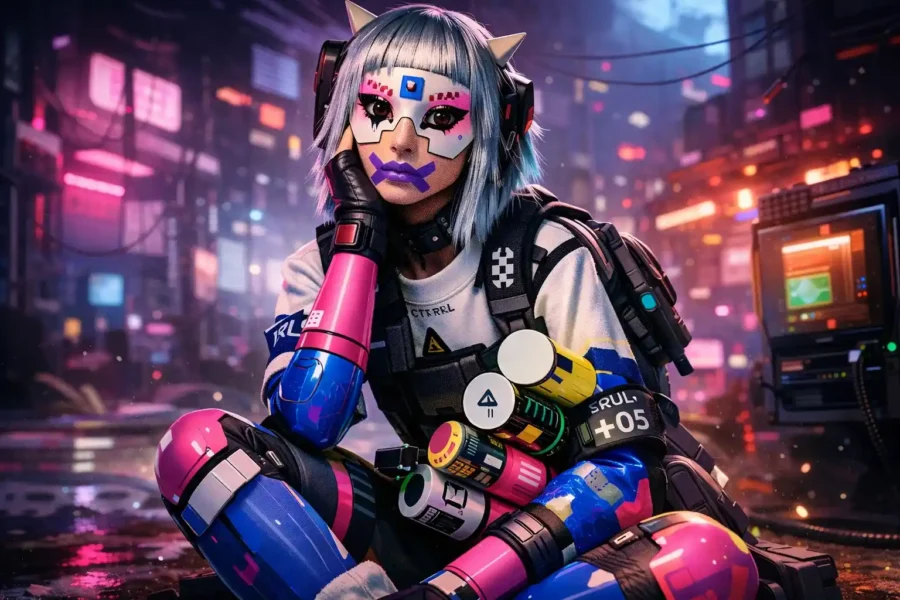
Marathon’s faction system is built around stacking complementary advantages. For example:
- CyberAcme cooldowns + NuCaloric mobility for maximum looting efficiency.
- Arachne combat perks + Sekiguchi recovery for aggressive frontline play.
- Traxus gear access + MIDA disruption for locking down extraction zones.
Because you act as a mercenary, there is no penalty for diversification — only opportunity cost. Smart players adapt faction focus based on what the season, meta, and their own strengths demand.
Why Faction Resets are a Good Thing
Faction progression resets every season by design (roughly every 3 months). This prevents permanent power gaps, stale metas, and veteran lockout of new players. It also encourages experimentation; each season is a chance to rebuild your Runner differently based on what worked—and what didn’t—last time. Furthermore, this reset allows Bungie to adjust game balance without invalidating entire playstyles permanently.
Why Factions are Core to Marathon’s Gameplay Loop
Marathon’s factions aren’t narrative garnish. They are the backbone of progression, tying risk, reward, and player behavior into one system. Completing these contracts is also your primary way to unlock entries in the Codex, which reveals the history of the world outside of active runs.
They answer a simple question every run:
“What kind of advantage do I want next?”
And in an extraction shooter, that question is often more important than the loot itself.

Frequently Asked Questions
What are factions in the Marathon game?
Factions in Marathon are corporate entities that function as the backbone of progression. Rather than serving as narrative-only groups or cosmetic alignment, factions directly influence gameplay by offering contracts that unlock seasonal upgrades, stat bonuses, and access to better gear. Your faction progress determines how efficient, resilient, and flexible your Runner becomes throughout a season.
How do contracts work in Marathon?
Contracts appear dynamically during runs and are completed in the field rather than through menus or hubs. Each contract encourages specific behaviors—such as combat engagement, exploration, or high-risk extraction—and rewards XP, faction progression, and gear access. Contracts are the primary way players advance faction upgrade trees.
How many factions are there in Marathon?
Marathon features six factions: CyberAcme, Arachne, Sekiguchi Genetics, MIDA, Traxus, and NuCaloric. Each faction supports a distinct playstyle, ranging from PvP aggression and mobility to resilience, disruption, and late-game power scaling.
Can you join more than one faction in Marathon?
Yes. Players can progress all six factions simultaneously. Marathon does not lock players into exclusive allegiances, and there are no penalties for working with multiple factions at once. The system is intentionally designed to reward mercenary-style flexibility rather than permanent loyalty.
Do faction upgrades apply to every run?
Yes. Once unlocked, faction upgrades apply to all runs for the remainder of the season. These upgrades include stat improvements, cooldown reductions, mobility perks, and vendor access, making early faction progression especially impactful over time.
Do faction upgrades reset every season?
Yes. All faction progression resets at the start of each new season. This reset prevents permanent power creep, keeps the meta fresh, and allows new and returning players to compete on more even footing while encouraging experimentation with new builds.
What happens if you die while completing a contract?
If you die during a run, you lose your carried gear. However, some contract milestones and earned XP can persist through death. If you are carrying a physical contract item—such as a data drive—that item must be secured or extracted; otherwise, that specific objective fails for the run.
Are contracts shared or contested between players?
Contracts are assigned individually, but many objectives—especially Priority contracts—lead players into contested areas. These high-value zones often attract multiple squads, creating organic PvP encounters even if players are not pursuing the same contract directly.
Which faction is best for new players?
CyberAcme is generally the best starting faction for new players. Its upgrades focus on cooldown reduction, inventory efficiency, and overall reliability, making early runs more forgiving and helping players learn maps, mechanics, and extraction routes safely.
Which Marathon faction is best for PvP?
Arachne is the strongest faction for PvP-focused players. Its upgrades emphasize combat stats, weapon access, and faster time-to-kill, rewarding aggressive playstyles and confident engagement in high-traffic zones.
What faction is best for solo play?
Sekiguchi Genetics is especially valuable for solo players. Its upgrades improve baseline performance, recovery speed, and resilience, making mistakes less punishing and allowing solo Runners to recover faster between engagements.
How important is faction progression compared to gear?
Faction progression is often more important than individual gear. While equipment can be lost on death, faction upgrades persist throughout the season. Over time, these upgrades act as long-term risk management, increasing consistency and reducing the impact of bad runs.
What is the core gameplay loop of Marathon?
Marathon’s core gameplay loop revolves around deploying into Tau Ceti IV, completing contracts, gathering valuable equipment, managing risk, and extracting successfully. Factions tie this loop together by rewarding smart, repeatable decisions rather than one-off success.
How does Marathon handle seasonal storytelling?
Seasonal storytelling in Marathon is delivered through factions and the Codex. Completing contracts and discovering narrative elements during runs unlocks story entries that expand the game’s universe outside of active gameplay, allowing story progression without interrupting the core loop.
Why is progressing multiple factions considered optimal?
Progressing multiple factions allows players to stack complementary advantages—such as mobility, combat pressure, and recovery—without penalties. This flexibility lets players adapt to balance changes, team compositions, and personal strengths across a season.