Overwatch’s new Hero Sub-Role system completely reshapes how Tanks, Damage, and Support heroes function. This guide breaks down every sub-category — from Ball Stalwart and Tank Bruiser to Flanker, Recon, Medic, and Tactician — explaining how their unique passives work, including excess ultimate charge, movement speed boosts, detecting enemies below half health through walls, reduced knockbacks, and enhanced survivability. Whether you want to gain more health, optimize your ultimate ability uptime, or fully understand how the new system impacts the meta, this comprehensive breakdown covers everything you need to master the Season 1 relaunch.
Update (Jan 28, 2026): The first new hero rollout is officially underway. Following the community vote, Rem has joined the roster and is playable now. The next character unlock is scheduled for Thursday, Jan 29 at 2 PM PST.
The Old Gods, New Blood update is Deadlock’s first true systems-focused release. Rather than shipping incremental balance changes, it introduces a new hero rollout structure, reworked endgame objectives, and a brand-new alternative game mode—reshaping how Deadlock is played and updated going forward.
In this guide, we’ll cover:
- How the six-hero Campaign rollout works, including release cadence and community voting
- What’s changed with Patrons and base mechanics, and how it affects endgame pacing
- A full breakdown of Street Brawl, Deadlock’s new 4v4 alternative mode
- How the hero voting system and Priority Tokens function in practice
- The most important quality-of-life and technical improvements in the patch
- Why Old Gods, New Blood matters for Deadlock’s long-term competitive health
Dive deeper into the article to find a special promo code for a discount to save on all your boosts.
TL;DR — Deadlock Old Gods, New Blood Patch
- Six New Heroes: Released via weekly community voting; Rem is live now.
- Hero Rollout: New drops occur every week on Mondays and Thursdays at 2 PM PST.
- Overhauled Patrons: Hidden King vs. Arch Mother (New visuals and harder-to-crack base mechanics).
- Game Mode Street Brawl: 4v4 single-lane mode; best of five match format.
- Voting System: Earn additional votes by playing; vote via the Ballot Box in the Hideout.
- Quality of Life Additions: Camera “Hole Punch” system, custom reticle editor, and HUD updates.
What is Included in the Deadlock Old Gods, New Blood Patch
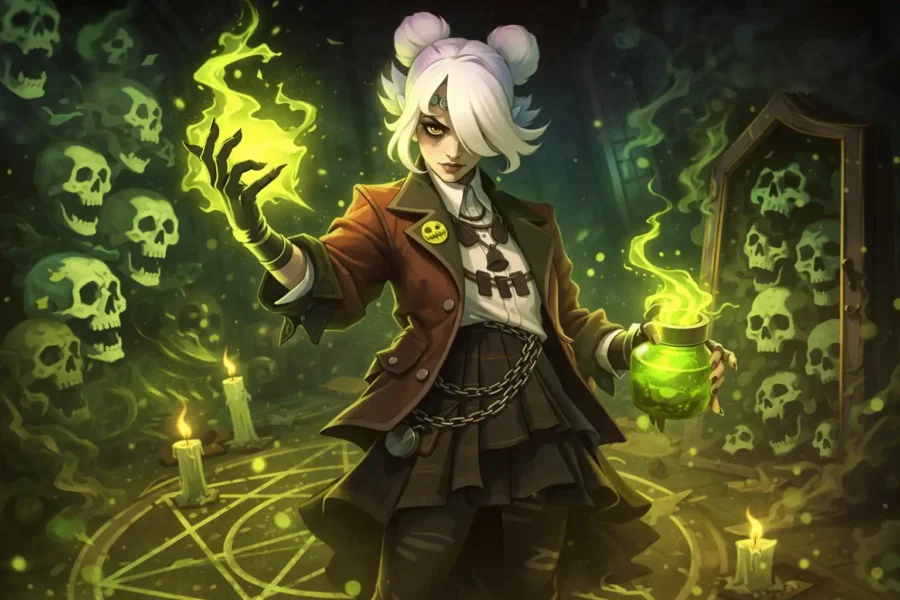
This update shifts Deadlock into a “live-service” rhythm. On the official update page, Valve highlights big systemic major changes that affect every layer of the game:
- Anti-Snowballing: By design, Shrines and Patrons are now significantly harder to siege to prevent runaway games.
- Systemic Polish: Massive upgrades to netcode, replay compatibility, and anti-cheat.
- Two New Items: Mastery of the ballistic enchantment and recharging rush items will likely play a major role in shaping early builds for any arms expert looking to stay competitive.
Rather than focusing on incremental balance tweaks, Old Gods, New Blood redefines how Deadlock releases content, resolves matches, and sustains long-term engagement. Core systems have been rebuilt, endgame objectives reworked, and new ways to play introduced—marking Deadlock’s transition from an experimental project into a live-service competitive platform.
While the headline features are new heroes and a new game mode, the update also delivers meaningful map tuning, systemic polish, and long-requested quality-of-life improvements. Deadlock remains free-to-play but invite-only, and this patch establishes the foundation for how the game will evolve moving forward.
What New Heroes are Coming in the Deadlock Patch
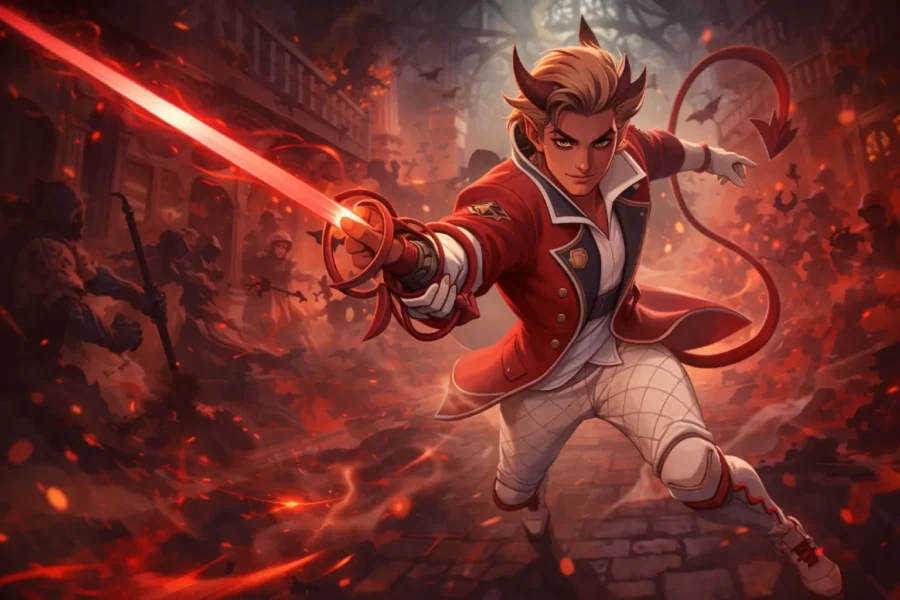
Instead of a single roster dump, the New Blood update introduces six new heroes via a “Campaign” structure. This ensures the meta remains fluid in the coming weeks as players adapt to new additions.
- The Schedule: Two heroes are released per week on Mondays and Thursdays.
- The Roster: Following Rem, players can expect Silver (Shapeshifter), Graves (Necromancy), Apollo (Fencing DPS), Celeste (Disruption), and Venator (Tactical Hunter).
| Hero | Role Archetype | Core Theme | Playstyle Snapshot |
| Rem | Support | Sleep / Control | Disrupts fights and enables teammates through crowd control |
| Silver | Bruiser | Shapeshifting | Durable frontline fighter with transformation-based pressure |
| Graves | Mage | Necromancy | Area denial and sustained damage through summoned effects |
| Apollo | DPS | Fencing / Mobility | High-speed duelist built around precision and movement |
| Celeste | Disruptor | Performance / Chaos | Unpredictable disruption with visual and positional pressure |
| Venator | Hunter | Tactical Slayer | Methodical target isolation and monster-hunting tools |
The addition of these heroes reflects the fast-paced environment Deadlock demands, ensuring the competitive landscape is constantly evolving. This influx of new heroes, a fast-paced rollout schedule, provides constant freshness to the campaign.
How Deadlock’s Community Hero Voting Works
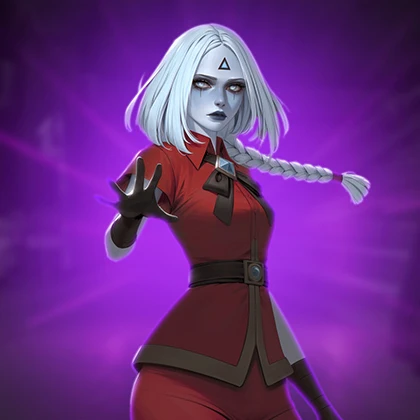
The major changes to the hero selection process mean you don’t just wait for content; you influence it. To participate, you must play a standard match or jump into Street Brawl to earn additional votes.
Your first win of the day is vital, as it grants four additional votes—though keep an eye on community reports, as some players have noted these bonuses are currently tracking inconsistently. Once you have your votes, head to the ballot box in the Hideout to cast your choice for the next two new heroes. To reduce frustration, Valve introduced Priority Tokens; these improve your odds of playing a winner and are only consumed when you successfully load into a game as that hero.
What Changed with Deadlock Patrons and Bases
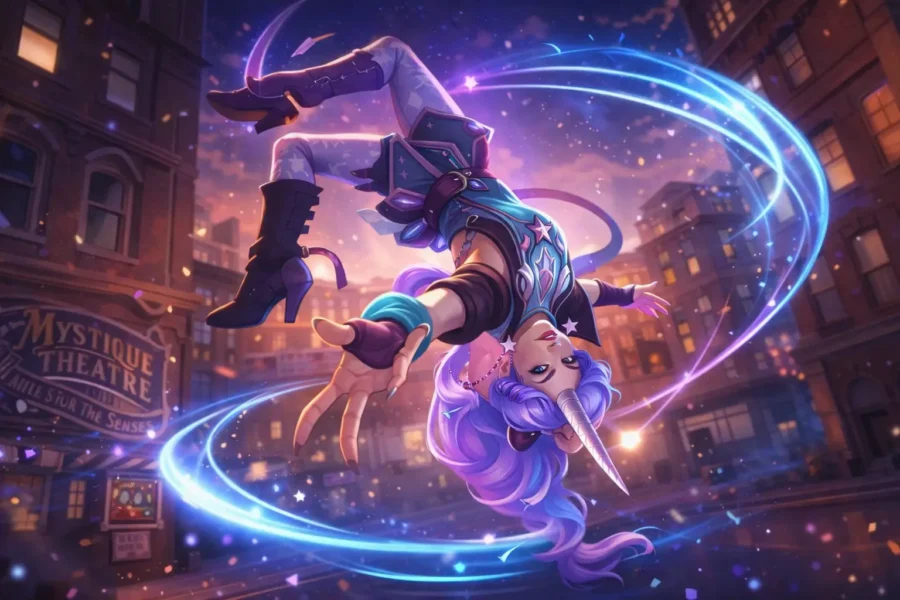
A defining feature of this major update is the introduction of the Hidden King and the Arch Mother. Each entity now anchors one side of the city, and the bases they inhabit have been completely redesigned to make the endgame a greater challenge.
The overhauled patrons now feature dynamic phases with high-damage AOE bursts. Mechanically, the “base race” has changed: Base Guardians can no longer be parried, and Shrines are now elevated on pedestals, requiring players to stand on them to deal damage while fighting off a new “Curse” debuff. To match the higher stakes, new music has been added that dynamically shifts as you breach the inner sanctum.
What is Street Brawl Mode in Deadlock?
For those looking for a shorter mode without the 40-minute commitment, game mode Street Brawl is the standout feature. This 4v4 single-lane format uses a best-of-five match structure where each round takes only a few minutes.
| Feature | Details |
| Teams | 4v4 |
| Map Format | Single lane |
| Match Structure | Best of five rounds |
| Win Condition | Destroy the opposing Guardian |
| Economy | No farming or scaling resources |
| Item System | Random item selection; choose 3 per round |
| Progression | Awards votes; XP and rank parity are currently unclear |
- Win Condition: A round ends immediately when one side manages to destroy the opposing Guardian.
- Equal Resources: No farming is required; every player starts on a level playing field.
- Item Roulette: You receive a random selection and must choose three items to equip.
- Progression: Street Brawl awards votes, but it is currently unclear if XP and rank parity match a standard match; early reports suggest rank badges may move inconsistently in this mode.
This mode functions as a high-intensity alternative for a weapon-focused arms expert to test the two new items added in this patch: the ballistic enchantment and the recharging rush.
What Quality-of-Life Changes Came with the Deadlock Patch
The New Blood patch also delivers a massive suite of quality-of-life additions and UI improvements. Beyond visuals, Valve has improved anti-cheat, replay compatibility across updates, and network prediction.
The revamped postgame experience now features a detailed postgame summary and a dedicated MVP screen. This new MVP scoring system uses fresh UI elements to highlight team contributions beyond raw kills. Other vital HUD updates and features for new players include:
- Objective Health Bars + Mid-boss Timer: Enhanced fight readability and awareness for major map objectives.
- Technical Tools: A camera “Hole Punch” system to prevent clipping, a random hero selector, and visibility outlines for allies.
- Visual Personalization: A custom reticle editor and neutral camps that glow through walls.
- Reactive Portraits: These UI elements provide visual feedback for damage and kill streaks on the HUD.
Why this Deadlock Patch Matters Long-Term
The “Old Gods, New Blood” update marks Deadlock’s maturation into a live-service platform. With the release of six new heroes, Valve is testing a campaign-style delivery system designed to maintain high engagement. The redesigned base mechanics also address long-standing snowballing issues, reinforcing the game’s long-term competitive health.
Promo code: Dina_Blog
Use this discount as my thank you for your attention!
Is the Deadlock Old Gods, New Blood Patch Worth Jumping Into?
If you haven’t played since the last time a hero was added, now is the time to return. Between the new heroes, a fast-paced rollout cadence, and the strategic depth of the completely redesigned bases, Deadlock feels more like a complete platform than an experiment. Whether you are earning additional votes in a standard match or testing your reflexes in a best-of-five match, the “Old Gods, New Blood” update is the definitive version of the game so far.
Author

Epiccarry: best wow boost and coaching services
Frequently Asked Questions
What is the Deadlock Old Gods, New Blood update?
The Old Gods, New Blood update is Deadlock’s first major systems-focused patch and represents a turning point in the game’s development. Instead of minor balance tweaks, it introduces a structured hero release campaign, redesigned endgame objectives, a new alternative game mode, and extensive quality-of-life and backend improvements. Together, these changes establish Deadlock’s long-term live-service direction.
How many new heroes are coming in the Old Gods, New Blood patch?
The update introduces six new heroes, released gradually through a campaign-style rollout rather than a single content drop. This approach is designed to keep the meta evolving continuously, giving players time to adapt to each hero before the next one arrives.
Which new hero is available right now in Deadlock?
Rem is the first hero released as part of the Old Gods, New Blood campaign. She became playable immediately after winning the initial community vote and serves as the opening entry in the six-hero rollout.
How does the new hero release schedule work?
New heroes are released twice per week, every Monday and Thursday at 2 PM PST. This fixed schedule replaces Deadlock’s previous irregular hero drops and gives players a predictable cadence for new content and meta shifts.
How does community hero voting work in Deadlock?
Players earn votes by completing matches in standard game modes or Street Brawl. These votes are then spent at the Ballot Box in the Hideout, allowing the community to directly decide which heroes are released next in the campaign.
What are Priority Tokens in Deadlock?
Priority Tokens increase your chances of playing a newly released hero when matchmaking demand is high. Importantly, tokens are only consumed if you successfully load into a match as that hero, making them a low-risk way to engage with new releases.
What is Street Brawl mode in Deadlock?
Street Brawl is a new 4v4 single-lane game mode focused on fast, decisive matches. Instead of long macro play, it emphasizes combat execution, quick decision-making, and repeated short rounds.
Is Street Brawl faster than standard Deadlock matches?
Yes. Each Street Brawl round lasts only a few minutes, and matches are played in a best-of-five format. This makes the mode ideal for shorter play sessions or warming up before standard matches.
Does Street Brawl use normal progression and farming?
No. Street Brawl removes traditional farming entirely. All players start with equalized resources and choose from a randomized pool of items, ensuring every round is decided by skill and adaptation rather than economy control.
What changed with Patrons and bases in this update?
The update completely redesigns Deadlock’s endgame by introducing the Hidden King and the Arch Mother. These new Patrons feature multi-phase encounters, stronger defensive mechanics, and visually distinct bases that make the final objective more challenging and strategic.
How does the new anti-snowballing system work?
To prevent runaway games, Shrines and Patrons are now significantly harder to siege. Guardians can no longer be parried, Shrines are elevated on platforms, and attackers must manage a new Curse debuff while dealing damage, slowing down unchecked momentum.
What new items were added in the Old Gods, New Blood patch?
Two new items were introduced, including a ballistic enchantment and a recharging rush item. These additions are expected to influence early-game builds, particularly for weapon-focused heroes and aggressive playstyles.
What quality-of-life changes came with the Deadlock update?
The patch adds a wide range of improvements, including a custom reticle editor, camera “Hole Punch” system to prevent clipping, improved HUD readability, MVP postgame screens, replay compatibility across patches, and upgraded netcode and anti-cheat systems.
Is Deadlock still free-to-play after this update?
Yes. Deadlock remains completely free-to-play, though access is currently invite-only. This allows Valve to scale systems carefully while refining matchmaking, balance, and backend performance.
Why does the Old Gods, New Blood update matter long-term?
This update defines Deadlock’s future as a live-service competitive game. The hero campaign system, redesigned endgame objectives, and predictable update cadence establish a foundation for sustainable content delivery and long-term competitive health.
Comments