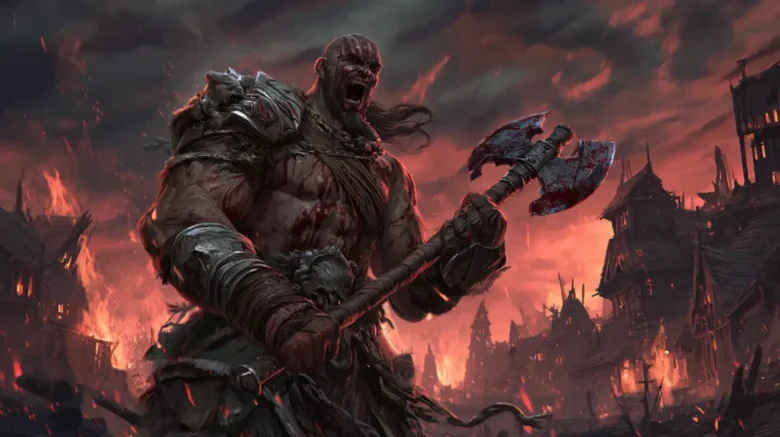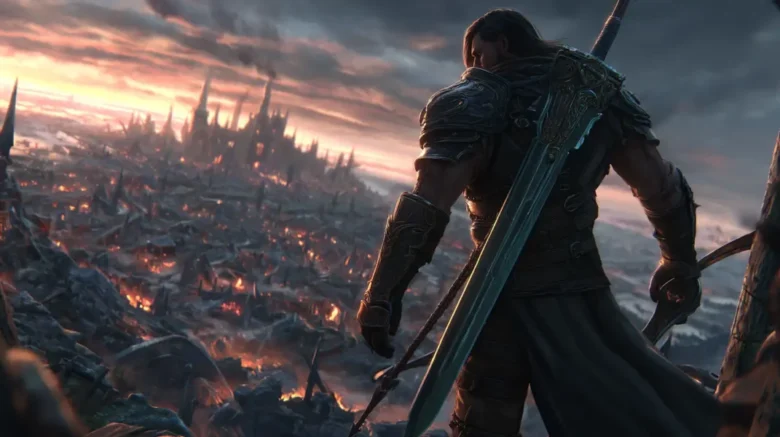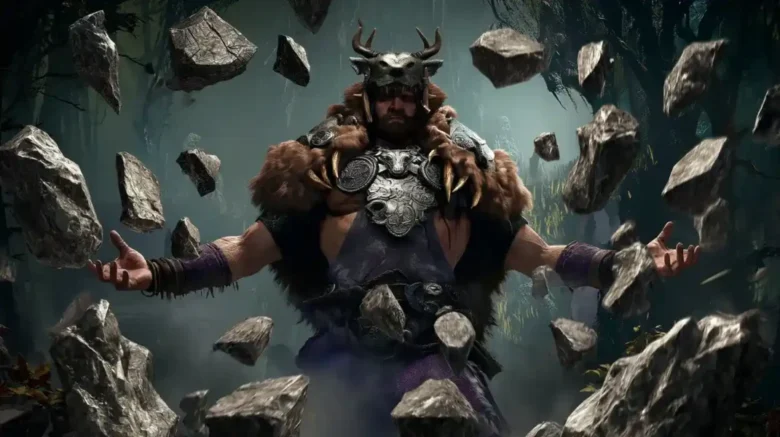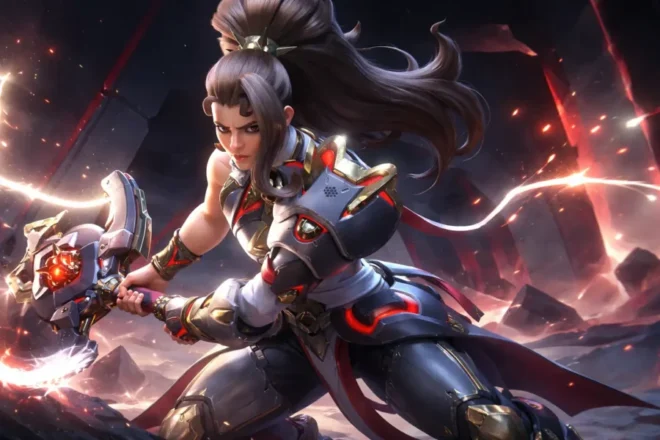
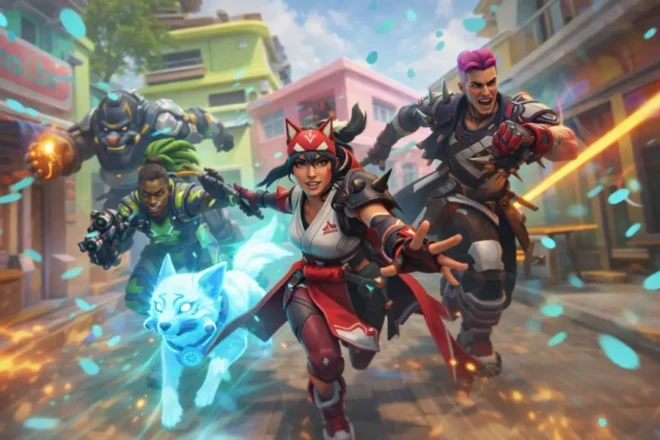
Overwatch’s new Hero Sub-Role system completely reshapes how Tanks, Damage, and Support heroes function. This guide breaks down every sub-category — from Ball Stalwart and Tank Bruiser to Flanker, Recon, Medic, and Tactician — explaining how their unique passives work, including excess ultimate charge, movement speed boosts, detecting enemies below half health through walls, reduced knockbacks, and enhanced survivability. Whether you want to gain more health, optimize your ultimate ability uptime, or fully understand how the new system impacts the meta, this comprehensive breakdown covers everything you need to master the Season 1 relaunch.
Dota 2 Patch 7.40 is a structural update rather than a spectacle patch. Instead of introducing entirely new systems, Valve focuses on tightening existing mechanics—reinforcing defensive scaling, clarifying control interactions, and slowing the pace of decisive pushes. The result is a more deliberate, attrition-oriented meta where positioning, timing, and draft flexibility matter more than raw tempo.
In this guide, we’ll cover:
- The overall Patch 7.40 meta direction, including game pace, win conditions, and role priorities
- Systemic changes such as Talent Point decoupling, invulnerability targeting rules, and buyback reworks
- How high-ground defense, Roshan sustain changes, and vision adjustments affect map control
- Role-by-role impacts, with a focus on offlaners, supports, and scaling carries
- A breakdown of the new hero Largo, including his role, abilities, and strategic value
- Major item changes that reshape the meta, including Diffusal Blade, Heart of Tarrasque, Radiance, and Midas
- Hero winners and losers emerging from Patch 7.40
- Updated drafting and vision priorities under the revised Captain’s Mode structure
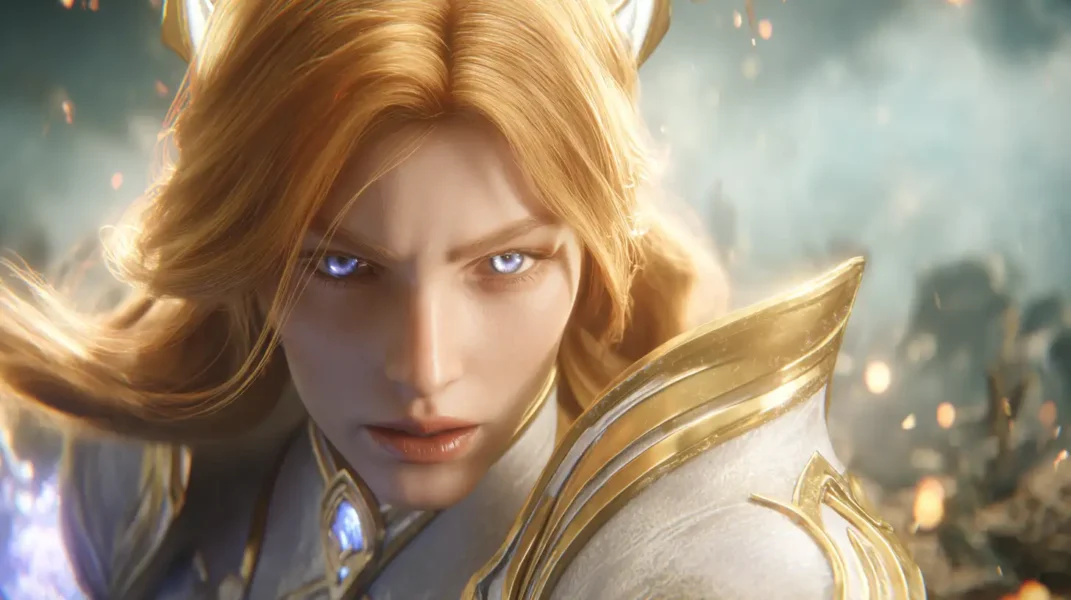
Patch 7.40 Meta Snapshot
- Game Pace: Slower midgame and significantly harder base closes due to substantial defensive buffs.
- Match Duration: Defensive scaling and reduced Roshan sustain often trend matches toward longer, more calculated engagements.
- Priority Roles: Retaliatory offlaners and utility-heavy healing supports.
- Draft Trends: High priority on “flex picks” like Tiny and Pudge; illusion-based scouting is no longer a viable information tool.
- Win Conditions: Multi-lane pressure and securing Mega Creeps are often required before a final push is reliable.
Systemic and Economic Overhaul
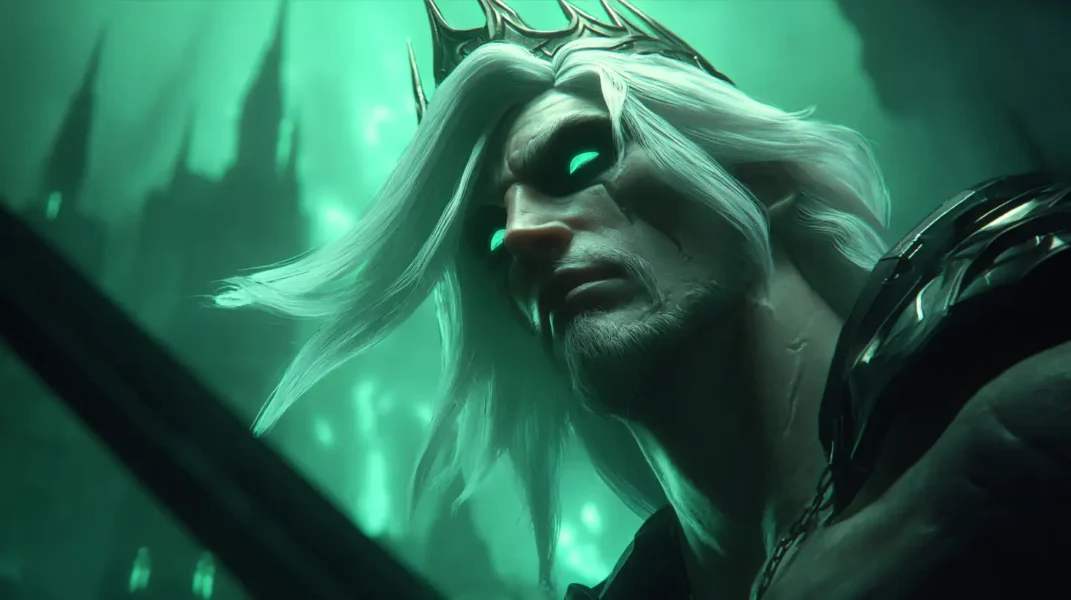
The leveling process has been decoupled to allow for more consistent power spikes. Players no longer choose between a talent and an ability at Level 10. Instead, separate Talent Points are provided at levels 10, 15, 20, 25, and 27–30. This allows heroes to maintain spell progression while unlocking utility, making the early-to-midgame window far more impactful for supports.
Invulnerability and Targeting Rules
A major mechanical shift in 7.40 involves how spells interact with invulnerable units. Most single-target spells and items can no longer target units in states like Eul’s Scepter, Astral Imprisonment, or Disruption. This forces players to wait out the duration of saves rather than “queuing” disables to trigger the moment a unit emerges. This change indirectly buffs defensive items and rewards precise timing over pre-casting.
High-Ground Defense and Buyback Value
Tier 4 towers now feature “Barracks Reinforcement,” granting them +4 armor for every allied barracks building still standing (up to +24 armor total). This makes “throne-rushing” far less reliable unless multiple barracks are already down.
Buybacks have also been reworked. The cost is now strictly tied to Net Worth (100 + Net Worth/13), and the post-buyback gold penalty has been removed. This shift encourages aggressive buybacks to secure fight turnarounds, as players no longer suffer diminished gold income from creeps or hero kills after returning to the field.
Logistics and Assist Gold
Assist gold now features a higher “floor,” adding a flat +50 gold share and +15 per hero. While this provides more reliable income for supports, the general economy remains tight. Furthermore, new restrictions prevent placing multiple Observer Wards too close to each other within a short window, forcing a more strategic spread of vision and preventing accidental resource waste.
Role Impact Summary
- Carry: Scaling carries with durable high-ground presence (Juggernaut, Drow Ranger) gain leverage. Illusion carries have lost significant map control and resource-burn value.
- Mid: Magic burst and tempo mid-laners gain consistency as stuns become more deterministic and less affected by status resistance.
- Offlane: The primary winners of 7.40. Heroes that convert survivability into automated retaliation or provide high-uptime teamfight control dominate the current landscape.
- Support: Gold income is more reliable but still limited. Success depends on lane presence and spell efficiency rather than rushing greedy mid-game items.
New Hero Overview: Largo (The Barthfrog)
The new hero Largo is a Strength-based melee support, ideally suited for Position 4 or 5. While early data suggests a learning curve for his rhythm-based kit, his unusual layered utility is significant in coordinated lineups.
- Catchy Lick (Q): A displacement tool that pulls a target. Pulling an ally applies a dispel and restores health to both the ally and Largo.
- Frogstomp (W): Largo deploys froglings that perform seven “stomps,” dealing damage and applying brief stuns. This can be effective for interrupting channeled abilities from a distance.
- Crock of Genius (E): Reduces an ally’s mana cost and causes their spell damage to “echo” as damage-over-time.
- Amphibian Rhapsody (Ultimate – R): A rhythm-based channel where Largo gains song abilities to heal allies, increase move speed, or add magic damage to attacks.
- Upgrades: His Aghanim’s Scepter allows him to activate two songs simultaneously. His Shard applies targeted effects Largo casts on allies to himself as well, doubling defensive coverage.
Item Overhaul and Meta Shifts
- Diffusal Blade & Disperser: These items no longer function on illusions. This represents a massive systemic nerf to heroes like Phantom Lancer and Naga Siren. Carries now often prioritize the Disperser upgrade when a lineup specifically needs a general dispel and chase tool.
- Heart of Tarrasque: Now features “Behemoth’s Blood,” a passive where regeneration increases based on missing health. This makes it a more “combative” item for low-HP survival.
- Radiance: The blind aura has been removed. Bearers now receive a flat 25% evasion. This removes the item’s utility as an anti-illusion tool but increases individual survivability.
- Hand of Midas: Midas provides zero bonus experience. Its cooldown is reduced to 90 seconds, making it strictly a gold-acceleration tool.
- Utility & Neutrals: Ethereal Blade now uses an Ultimate Orb and scales with total stats. Additionally, the neutral item pool has been heavily rotated; players should expect late-game tools to differ significantly from previous patches.
Hero Spotlight: The Winners of 7.40
Tidehunter and Tiny
Tidehunter has trended toward the top of the offlane pool due to the Level 20 “Blubber” talent, which triggers Anchor Smash automatically when his Kraken Shell damage threshold is reached. This turns him into an automated damage-reduction machine. Tiny has seen a similar resurgence because Avalanche now functions as an aura stun. This makes it far harder to slip out once caught, as the stun constantly reapplies regardless of status resistance.
Slark and Clinkz
For Slark, Essence Shift is now an innate passive. His new skill, Salt-Water Shiv, steals health regeneration and movement speed, while Shadow Dance now provides passive regen/speed whenever he is unseen, even while the active is on cooldown. Clinkz gains the “Infernal Shred” innate, providing stacking armor piercing (up to 20%). Death Pact no longer summons skeletons; they are now tied to Burning Army and Scepter.
Treant Protector
Treant Protector has transitioned into a frontline brawler. Leech Seed is now a passive on-hit ability, and Living Armor provides damage block instances rather than flat armor. His Scepter now upgrades Overgrowth for stronger teamfight lockdown.
Losers and Drafting Strategies
Heroes relying on illusion scouting (Phantom Lancer, Naga Siren) have lost strategic leverage as their vision has been standardized to 800 day and 400 night. Taking Roshan is also more difficult because lifesteal effectiveness against him was reduced (40% for physical, 80% for spells), making solo attempts much riskier.
Drafting & Vision
The revised Captain’s Mode sequence (shifting to a 1-1-2-2-1-2-2 first-phase pick/ban) places a premium on traditional information gathering. Vision from Watchers and base gates has been adjusted to help defenders monitor flanks more effectively, particularly during sieges. Smoke of Deceit and standard warding are more vital than ever, as “risk-free” scouting via summons is no longer possible.
Conclusion
Patch 7.40 reinforces a more deliberate era of Dota. Success depends on mastering the new innate abilities and managing the structural necessities of the map, such as the high-risk, low-ground Wisdom Runes. Teams that prioritize reliable, deterministic control and maintain high-ground patience will likely define the professional landscape for the foreseeable future.
Author

Epiccarry: best wow boost and coaching services
Frequently Asked Questions
What is Dota 2 Patch 7.40 about?
Patch 7.40 is a systemic rebalancing update that reshapes hero identities, slows overall game pace, and strengthens base defenses. Rather than introducing a full redesign, the patch focuses on talent progression, high-ground durability, illusion vision nerfs, and item role enforcement, significantly impacting win conditions and drafting priorities in Dota 2.
How did Patch 7.40 change game pace?
Patch 7.40 slows the midgame and late-game closing phase. Stronger Tier 4 towers, reduced assist gold, and weaker illusion scouting make early snowball strategies less effective, encouraging longer matches and more deliberate objective control.
Why is high ground harder to take in Patch 7.40?
Tier 4 towers now gain 4 armor per remaining barracks, up to a maximum of 24 armor. This makes single-lane pushes ineffective and forces teams to secure multiple lanes or Mega Creeps before attempting to end the game.
How were talents changed in Dota 2 Patch 7.40?
Talent points are now fully decoupled from ability points. Players no longer sacrifice skill levels to unlock talents, resulting in sharper power spikes at level 10 and stronger late-game scaling through expanded attribute bonuses.
How did illusion heroes change in Patch 7.40?
All illusions now have severely reduced vision range, eliminating their previous role as low-risk scouting tools. This significantly nerfs illusion-based macro play and reduces the strategic value of heroes like Phantom Lancer and Naga Siren.
Which roles benefit most from Patch 7.40?
Offlaners benefit the most. Tanky heroes with innate armor, damage reduction, or retaliation mechanics gain disproportionate value due to longer fights and stronger base defenses.
How did Patch 7.40 affect support gameplay?
Support heroes experience slower gold progression due to assist gold reductions. As a result, positioning, item efficiency, and defensive utility are now more important than greedy scaling builds.
Is Diffusal Blade still good in Patch 7.40?
Diffusal Blade no longer functions on illusions, removing a key power spike for illusion carries. Its value now lies primarily in direct Disperser upgrades and targeted mana burn rather than illusion-based pressure.
What item changes matter most in Patch 7.40?
Key item changes include:
- Diffusal Blade losing illusion interaction
- Guardian Greaves losing team-wide low-health bonuses
- Heart of Tarrasque scaling regeneration with missing health
These adjustments reinforce clearer item roles and discourage universal builds.
How was Roshan changed in Patch 7.40?
Roshan is harder to kill due to reduced lifesteal effectiveness. His Banner now scales in radius with each drop, increasing its strategic impact in prolonged games and late-game sieges.
Who is Largo in Dota 2 Patch 7.40?
Largo is a Strength-based melee support focused on crowd control, durability, and rhythm-based mechanics. His kit emphasizes team utility, displacement, and defensive amplification rather than raw damage.
Which heroes are strongest in Patch 7.40?
Top-performing heroes in Patch 7.40 include:
- Tidehunter for automated retaliation and damage reduction
- Tiny for consistent magic burst and stun reliability
- Clinkz for armor-piercing damage and scaling pressure
These heroes align well with the patch’s slower, control-oriented meta.
Which heroes lost value in Patch 7.40?
Heroes relying on:
- Illusion scouting
- Assist-gold snowballing
- Death-prevention mechanics
have lost effectiveness. Early-reveal carries and high-mobility scouts are especially vulnerable under the new systems.
How did drafting change in Patch 7.40?
The revised pick/ban flow increases the value of flex picks and makes early carry reveals riskier. Teams that draft adaptable heroes with multiple role options gain a strategic edge.
What is the best way to win in Patch 7.40?
Winning in Patch 7.40 requires:
- Durable frontline heroes
- Efficient itemization
- Multi-lane pressure before high ground
- Controlled, methodical teamfighting
Greedy or single-lane strategies are consistently punished in the current meta.
Comments