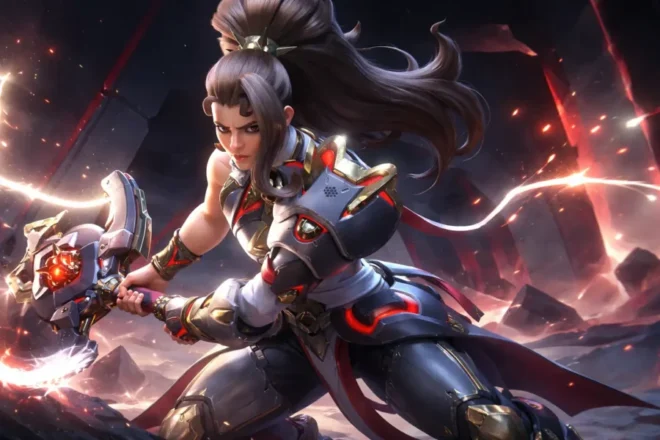
Overwatch’s Season 1 relaunch introduces Hero Sub-Roles, replacing the previous one-size-fits-all role system with specialized classifications that define playstyle, strengths, and passive bonuses. Instead of every Tank, Damage, or Support functioning under identical role-wide rules, heroes are now grouped into sub-roles that better reflect how they’re meant to be played.
This change has a significant impact on team composition, macro strategy, and hero mastery. Understanding sub-roles is now essential for climbing Ranked and optimizing your comp.
In this guide, we’ll cover:
- All Tank Sub-Roles: Stalwart, Initiator, and Bruiser
- All Damage Sub-Roles: Flanker, Recon, Sharpshooter, and Specialist
- All Support Sub-Roles: Medic, Survivor, and Tactician
- Every sub-role passive bonus, including:
- Enhanced Health Pack healing for Flankers
- Knockback resistance and durability boosts for Stalwarts
- Ultimate charge retention for Tacticians
- How sub-roles affect team building and synergy
- What this system means for the evolving Season 1 meta
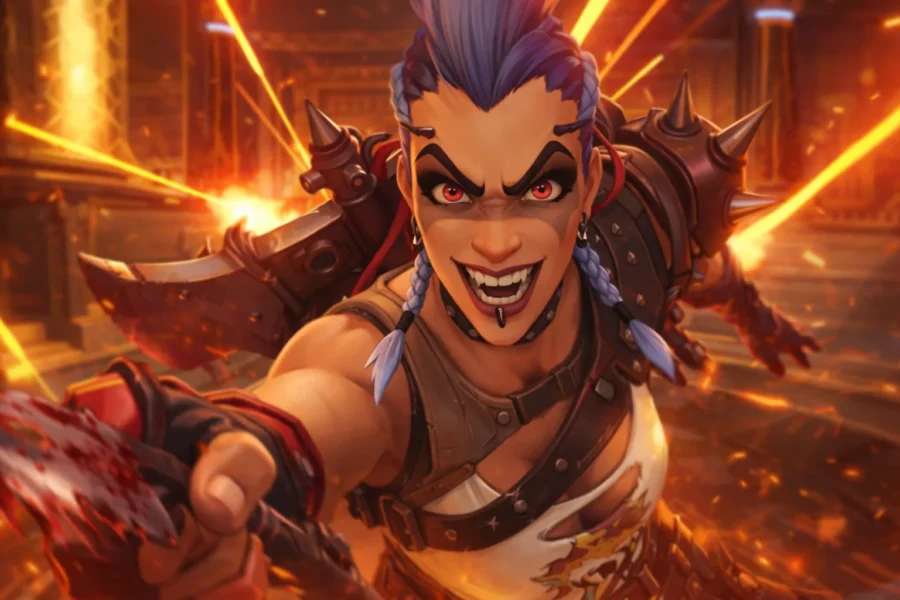
What Are Sub-Roles in Overwatch Season 1?
This transformation fundamentally changes how heroes function, creating distinct mechanical identities within the existing Tank, Damage, and Support categories. By moving away from universal role passives, Blizzard has sharpened the tactical niche of every hero in the roster.
How They Affect Competitive Play
Sub-roles are designed to sharpen hero identity. In Ranked play, your win rate now depends heavily on whether you are executing your sub-role’s specific gameplay loop. Tempo has become more polarized, and pick pressure has increased; the Recon passive, for example, often converts “barely escaped” enemies into confirmed kills because revealed targets can be tracked through walls for five seconds.
How They Change Team Building
You now draft for sub-role synergy rather than just general hero roles. A “Double Flanker” composition plays differently than a “Flanker + Recon” duo, where the Recon hero tags targets for the Flanker to finish. Tank sub-roles also dictate the team’s tempo—Stalwarts require a slow, methodical push, while Initiators demand high-speed follow-up. Understanding these interactions is the key to climbing the ladder in Season 1.

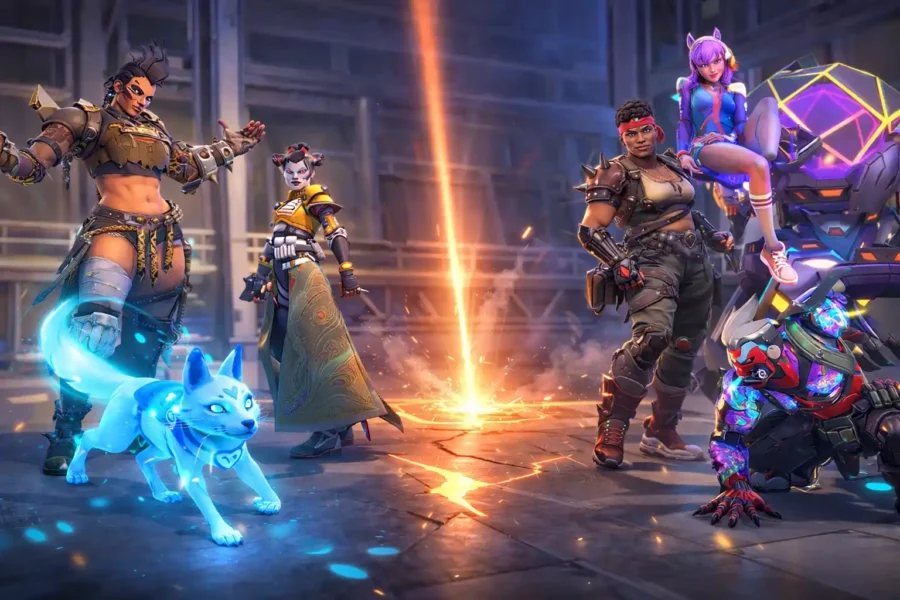
How to Identify a Hero’s Sub-Role In-Game
Sub-role information appears directly in the hero select interface. Hovering over a hero portrait displays their sub-role designation along with a detailed description of the associated passive ability. Players can also view expanded info through the hero info panel before locking in. Understanding this interface allows players to quickly evaluate the expected playstyle of their teammates and what their team composition is built to do.
Sub-Role Permanence and Reassignment
Sub-roles are currently fixed per hero and cannot be changed by players. However, Blizzard has stated they will monitor gameplay data and may reassign heroes to different sub-roles in future balance patches if their playstyle shifts. While players cannot manually swap sub-roles, the developer may adjust classifications over time as the meta evolves.
Sub-Role Passives Across Game Modes
These passives are part of core hero functionality and apply in standard modes like Quick Play and Competitive. While intended to function across all modes, some Arcade, Limited-Time (LTM), or Custom Game rulesets may explicitly override or modify hero mechanics.
Sub-Role Passives and Ability Stacking
Sub-role passives function independently from each hero’s base kit and stack fully with existing abilities. They do not replace core hero mechanics. For example, Tracer’s Flanker health pack bonus stacks with her Recall self-healing, and Mercy’s Medic self-healing applies simultaneously with her standard passive regeneration.
All Damage Sub-Roles and Passive Abilities
The Damage role fragments into four distinct sub-roles, each supporting different engagement patterns and team contributions.
Flanker – Enhanced Health Pack Healing

- Heroes: Anran, Genji, Reaper, Tracer, Vendetta, Venture
- Passive: +75 health from health packs
- Strategic Implications: Flankers are pushed to reduce reliance on healers. Small packs provide 150 HP, while Mega packs provide 325 HP.
- How to Play Against Flankers:
- Control health pack real estate near the flanker’s route.
- Mark the flanker after they take a pack to punish their next re-peek.
- Force cooldowns like Recall early, so their pack sustain doesn’t matter.
Recon – Enemy Revelation Through Walls
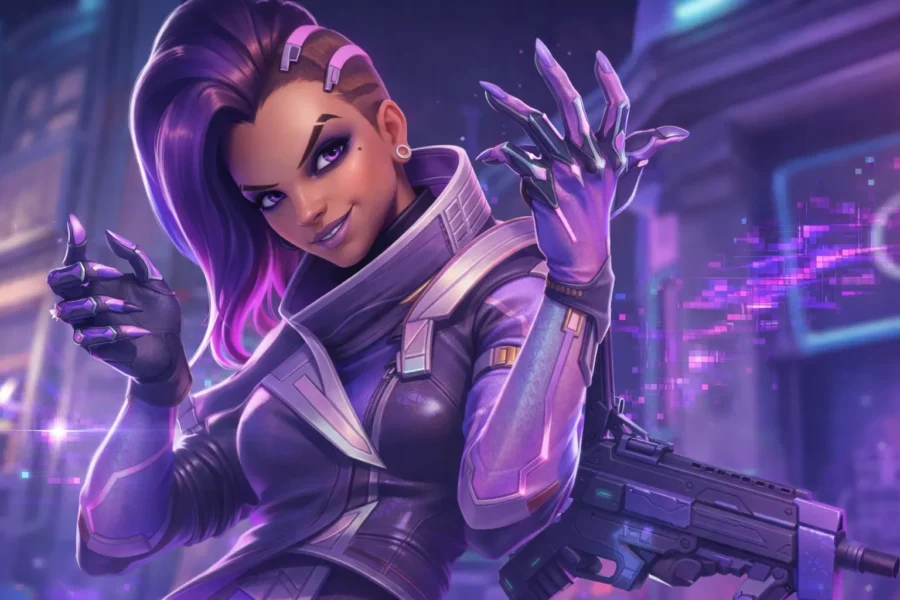
- Heroes: Echo, Freja, Pharah, Sombra
- Passive: Damaging enemies below 50% health reveals them through walls for 5 seconds
- Strategic Implications: This passive reduces “escape gameplay.” If you drop below half health, you are trackable, making disengaging significantly harder.
- How to Play Against Recon:
- Respect chip damage; if you drop under 50%, assume you are visible to the enemy team.
- Break LOS earlier and use hard cover before crossing open spaces.
- Prioritize keeping teammates above the 50% threshold to prevent the reveal.
Sharpshooter – Cooldown Reduction on Critical Hits
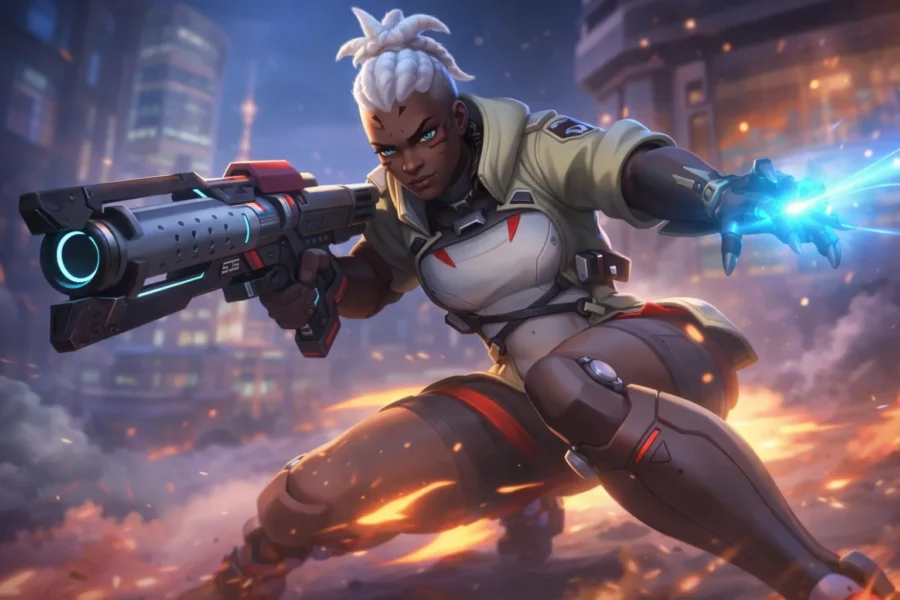
- Heroes: Ashe, Cassidy, Hanzo, Sojourn, Widowmaker
- Passive: Reduce movement ability cooldowns with every critical hit, totaling 0.75% of damage dealt
- Strategic Implications: This creates a skill-based snowball. Consistent aim allows for more aggressive sightlines and significantly faster escapes.
- How to Play Against Sharpshooters:
- Use unpredictable movement and AD-spam to deny the critical hit trigger.
- Force them off angles with consistent dive pressure or vertical threats.
- Track their mobility and assume escapes are up if they are landing shots.

Specialist – Reload Speed Bonus After Eliminations
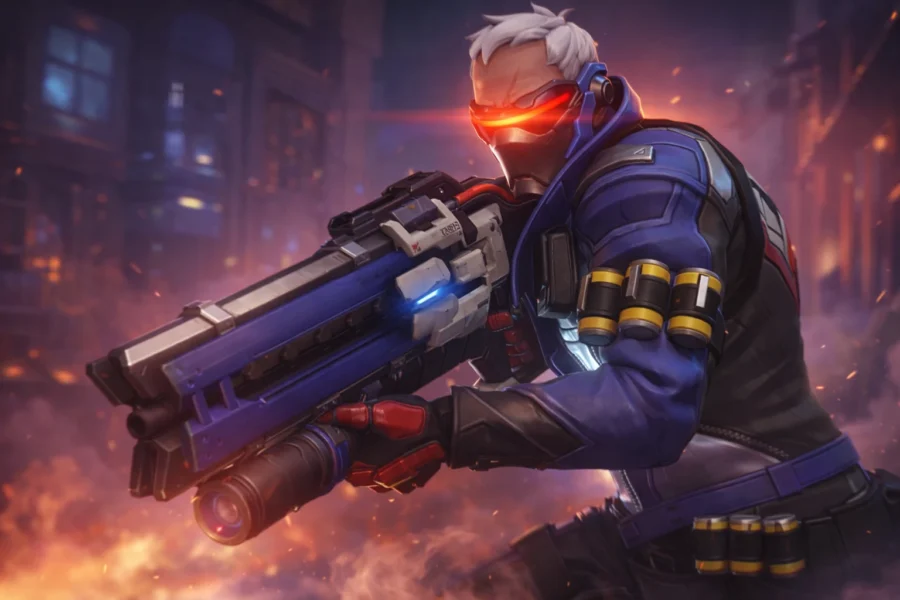
- Heroes: Bastion, Emre, Junkrat, Mei, Soldier: 76, Symmetra, Torbjörn
- Passive: 50% bonus reload speed for 3 seconds after eliminations
- Strategic Implications: Specialists excel at chain-wiping. Soldier: 76 is a notable outlier; because Sprint is a toggle, the reload bonus is more valuable to his kit than movement cooldown reduction.
- How to Play Against Specialists:
- Prevent the first pick to stop the reload buff from proccing.
- Stabilize quickly after a teammate dies to avoid staggered deaths.
- Use “save” abilities (Suzu/Life Grip) to deny the elimination that triggers the reload snowball.
All Tank Sub-Roles and Passive Abilities
Tank sub-roles define engagement strategies, splitting the role into anchors, divers, and brawlers.
Stalwart – Knockback and Slow Resistance
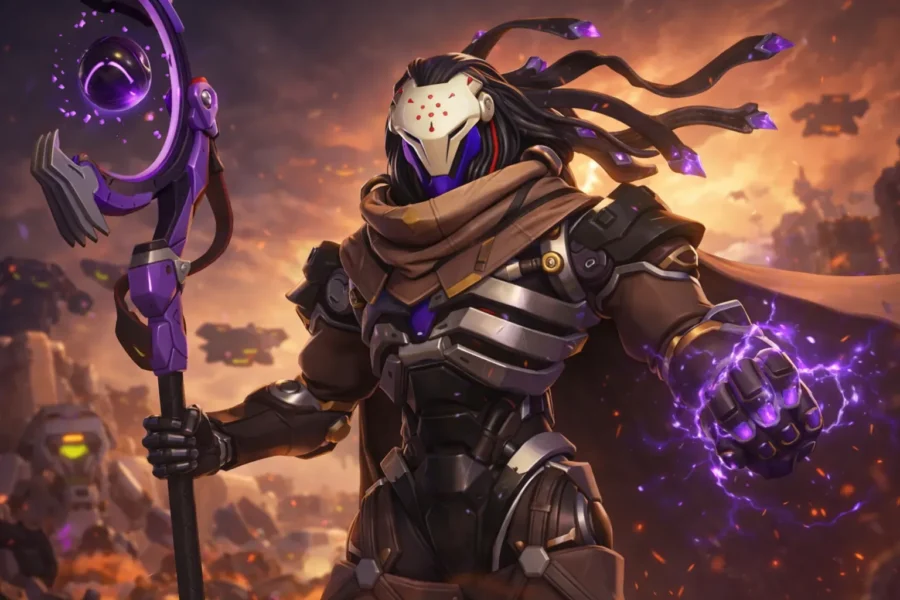
- Heroes: Domina, Hazard, Junker Queen, Ramattra, Reinhardt, Sigma
- Passive: 40% knockback resistance, 40% slow resistance
- Strategic Implications: Stalwarts stabilize frontline compositions. Reinhardt, Sigma, and Ramattra can no longer be easily displaced from their position at a choke.
- How to Play Against Stalwarts:
- Stop relying on “boops” to win chokes; displace the backline instead.
- Bypass the tank via rotation rather than trying to push them off the point.
- Use anti-sustain tools or CC for timing rather than displacement value.
Initiator – Airborne Health Regeneration
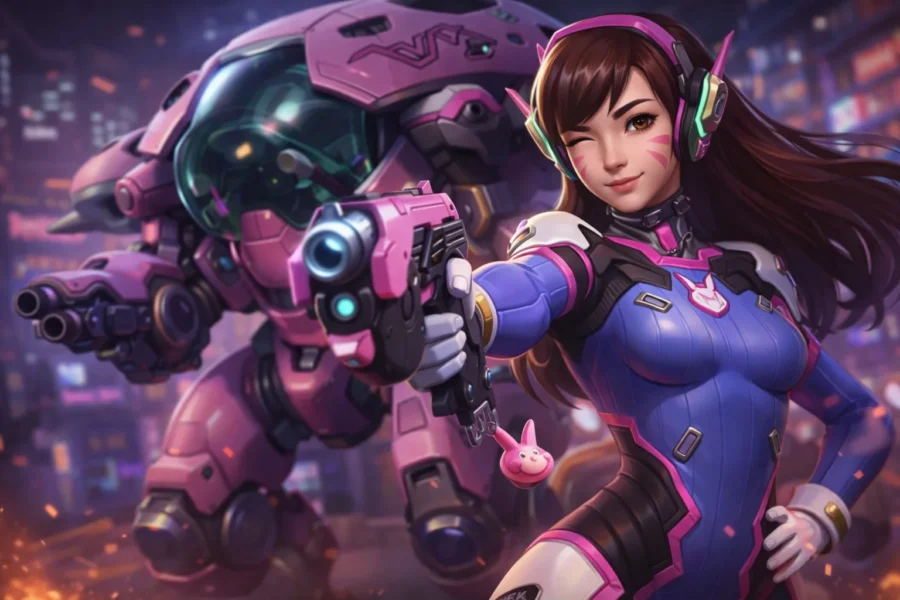
- Heroes: D.Va, Doomfist, Winston, Wrecking Ball
- Passive: 75 health regenerated over 1 second after remaining airborne for 0.8+ seconds
- Strategic Implications: Verticality becomes a healing resource. D.Va procs this easily with Boosters, while Winston and Doomfist must ensure their leaps meet the 0.8s threshold.
- How to Play Against Initiators:
- Punish the landing; the heal occurs after the airborne requirement is met.
- Track jump cycles to catch them before they earn the next heal.
- Plan to burst through the small heal window rather than assuming the regen stops.

Bruiser – Critical Damage Reduction and Low Health Movement Speed
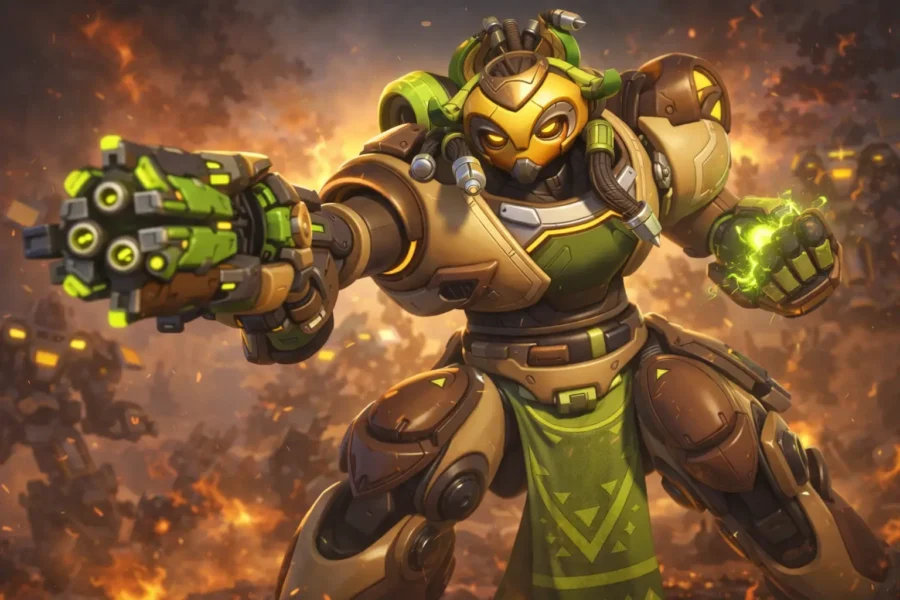
- Heroes: Mauga, Orisa, Roadhog, Zarya
- Passive: -25% critical damage taken, +20% movement speed when at critical health
- Strategic Implications: Precision burst is less reliable against Bruisers. Roadhog at low health becomes a fast-moving threat that can chase kills or retreat rapidly.
- How to Play Against Bruisers:
- Don’t assume a sniper headshot secures the kill; plan for follow-up damage.
- Save hard CC (stuns/anti-heal) for when they reach their speed threshold (approx. 33% HP).
- Focus damage on non-critical hitboxes if they are effectively mitigating headshots.
All Support Sub-Roles and Passive Abilities
Support sub-roles differentiate healing specialists from utility enablers and survivability experts.
Medic – Self-Healing From Ally Healing
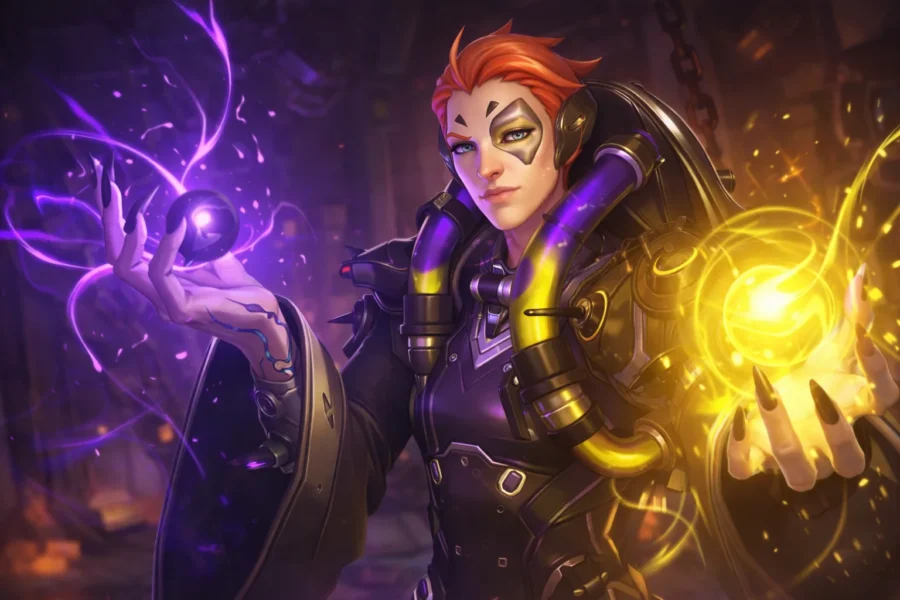
- Heroes: Kiriko, Lifeweaver, Mercy, Moira
- Passive: Heal 25% of healing given to allies
- Strategic Implications: This creates a symbiotic loop where healing your teammates provides personal tankiness. There is no ultimate charge penalty associated with this sub-role.
- How to Play Against Medics:
- Deny healing Line-of-Sight (shields/walls) to simultaneously stop their self-healing.
- Poke the Medic to force them into a defensive position away from their team.
- Focus the Medic while they are isolated from allies, preventing their passive trigger.
Survivor – Health Regeneration on Movement Ability Use

- Heroes: Brigitte, Illari, Juno, Mizuki, Wuyang
- Passive: Activate passive health regeneration upon using movement abilities
- Strategic Implications: Movement tools like Shield Bash or Outburst now trigger immediate regeneration. Exact regeneration values are subject to balance updates.
- How to Play Against Survivors:
- Maintain constant pressure on them to minimize the value of the regeneration.
- Force their movement cooldown defensively, then re-engage before the heal resets.
- Track movement cycles to ensure you aren’t engaging right as their “mini-heal” procs.
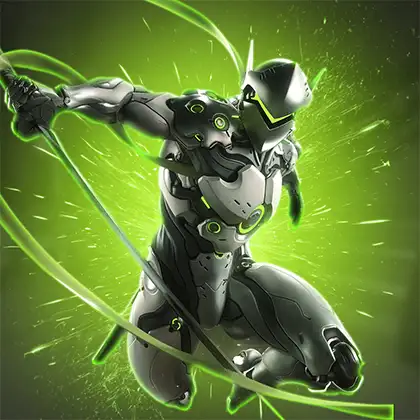
Tactician – Ultimate Charge Retention and Reduced Generation When Healthy

- Heroes: Ana, Baptiste, Jetpack Cat, Lucio, Zenyatta
- Passive: Retain up to 25% Ultimate charge after using Ultimate; gain 25% less Ultimate charge when at/over full health
- Strategic Implications: This accelerates the cycle of high-impact ultimates. Tacticians must stay active in the fray to maximize efficiency, as being at full health slows their progress.
- How to Play Against Tacticians:
- Respect the ult cycle; assume their next ultimate is available sooner than usual.
- Force fights when they are healthy to exploit their slower ultimate charge rate.
- Track their retention progress to avoid being surprised by back-to-back ultimates.
Meta Outlook and System Risks

Early Meta Predictions
If current tuning holds in these opening weeks, analysts expect several key trends:
- High Skill Ceiling: Sharpshooters and Initiators (specifically D.Va) are expected to scale highest in coordinated play.
- Lower Rank Stability: Specialists and Medics offer more stability for players with less coordination.
- Vertical Advantage: The Initiator passive is currently being highlighted as potentially over-tuned for D.Va, who can proc the heal almost every few seconds.
System Risks and Balance Watchlist
- Passive Power Disparity: Some passives are always active (Stalwart), while others are highly conditional (Initiator), leading to debates about consistency.
- Snowball Concerns: The Sharpshooter passive can create a “win harder” scenario where high-skill players become untouchable.
- Sustain Bloat: There is a risk that Medic and Survivor passives could lead to “stall metas” where supports are too difficult to eliminate during team fights.

Epiccarry: best wow boost and coaching services
Frequently Asked Questions
What is the new Hero Sub-Role system in Overwatch?
The new system divides heroes into specialized sub-roles within Tank, Damage, and Support categories. Instead of a one-size-fits-all passive, each sub-role now gains unique bonuses like excess ultimate charge, movement speed boosts, or defensive reductions.
How do Tanks differ under the new sub-role system?
Tanks are now split into Stalwart, Initiator, and Tank Bruiser categories. Stalwarts reduce knockbacks and slows received, while Bruisers focus on aggression and reducing critical damage received during fights.
What does the Ball Stalwart passive do?
Ball Stalwart heroes gain reduced knockbacks and slows received, making them harder to displace. This allows them to anchor objectives and absorb pressure more effectively in team fights.
How do Damage heroes benefit from the new system?
Damage heroes are divided into Flanker, Recon, Sharpshooter, and Specialist sub-roles. Some passives allow critical hits to reduce cooldowns, while others let players detect enemies below half health through walls.
Can Damage heroes detect enemies through walls now?
Yes, certain sub-roles can detect enemies below half health through walls. This gives them a powerful advantage when chasing eliminations or setting up flanks.
How does excess ultimate charge work?
Some sub-roles gain excess ultimate charge by eliminating an enemy. This means you can carry over additional charge beyond normal thresholds, accelerating your ultimate ability usage.
Which heroes gain movement speed in the new system?
Specific sub-roles gain movement speed when at critical health or when using a movement ability. This mechanic rewards aggressive repositioning and clutch survivability.
Does using a movement ability activate passive health?
Yes, certain heroes trigger passive health regeneration when using a movement ability. This encourages dynamic gameplay and rewards skillful mobility usage.
How do Support heroes change under the new system?
Support heroes are now categorized as Medic, Survivor, or Tactician. Some passives enhance healing allies, while others focus on survivability or ultimate charge retention.
What does “staying airborne lightly heals” mean?
Certain Support sub-roles receive light healing while airborne. This benefits heroes with vertical mobility and reinforces evasive positioning.
Do health packs restore more health for specific heroes?
Yes, some sub-roles gain increased healing from health packs. This makes map awareness and pack control more impactful than before.
What happens at critical health in the new system?
Certain heroes gain movement speed or defensive bonuses at critical health. This mechanic helps prevent instant eliminations and allows clutch escapes or counterplays.
How does the Tank Bruiser passive work?
Tank Bruisers reduce critical damage received, improving their durability during high-burst engagements. This makes them ideal for diving backlines or sustained frontline pressure.
What does “enemy briefly increases ultimate charge” refer to?
Eliminating an enemy briefly increases ultimate charge gain in some sub-roles. This rewards aggressive play and snowball potential during team fights.
Are knockbacks and slows less effective now?
Against Stalwart Tanks, yes. They reduce knockbacks and slows received, making crowd control less effective against certain frontline heroes.
How does this new system affect the overall meta?
The new system increases specialization and strategic depth. Team compositions now revolve around stacking complementary passives and maximizing synergy within each hero’s kit.
Do critical hits reduce cooldowns for all Damage heroes?
No, only certain sub-roles gain that passive. It specifically rewards precision players who consistently land critical hits.
Can Supports retain ultimate charge?
Yes, some Tactician-type supports can retain excess ultimate charge after swapping or certain events. This gives them greater flexibility and consistency across rounds.
Is the new sub-role system a buff to aggressive playstyles?
In many cases, yes. Passives like gaining movement speed, excess ultimate charge, and detecting enemies below half health reward proactive, elimination-focused gameplay.
Why is the new system considered game-changing?
It fundamentally reworks how heroes function within their roles. Instead of generic bonuses, each sub-role now shapes how you heal allies, gain movement speed, detect enemies, and manage your ultimate ability.