Valorant Season 2026 Act 2, released with Patch 12.05, is less about adding raw power and more about reshaping how the game is played. Instead of introducing sweeping overhauls, Riot has focused on tightening the relationship between agents, maps, and teamplay — trimming down self-sufficient picks while reinforcing coordinated utility and structured execution.
The result is a patch that subtly shifts the pace and priorities of matches. Solo impact is still important, but it’s no longer as forgiving as before, while players who trade effectively, communicate, and play around their team gain more consistent value. Between the arrival of Miks, targeted agent nerfs, a new game mode, and map pool adjustments, Act 2 changes how both casual and ranked games unfold without completely redefining the core experience.
What This Guide Covers
- Full breakdown of Patch 12.05 and what changed
- Miks abilities explained and how he fits into the current meta
- Knockout mode rules, mechanics, and best use cases
- Map pool updates and Lotus A-site changes explained
- All agent balance changes (Yoru, Clove, Skye) and what they mean
- HUD and system updates, including assist tracking and UI improvements
- Ranked impact — how the patch affects gameplay and player performance
- Battle Pass rewards and new cosmetic bundles
Everything New in Patch 12.05
- Act 2 launched March 17–18, 2026 with patch 12.05.
- New agent: Miks, a Croatian Controller — smokes, healing, concuss, and team Combat Stims; the first Controller explicitly designed with direct ally-healing in his kit.
- New mode: Knockout — limited-time 5v5 tactical elimination (3-minute rounds) where every kill revives a fallen teammate; matches run 8–15 minutes, first to 4 rounds wins. No economy; uses preset escalating loadouts.
- Map pool: Lotus and Fracture return, Abyss and Corrode removed.
- Lotus A-site reworked, specifically thickening the lobby wall to block barrier-drop spam and repositioning the Vines jump to clean up attacker entry.
- Agent nerfs: Yoru (one less Blindside charge, Gatecrash halved to 15s), Clove (smoke duration while dead cut from 14s to 6s, Meddle radius shrunk), Skye (Guiding Light now has a 60s cooldown).
- New HUD: Assist Banners, updated killfeed, and cleaner Status Effect Tags; these are feedback improvements and do not change how RR is calculated.
- Riot’s stated patch theme: reward coordinated teamplay, reduce “selfish” solo carry potential, and increase pick diversity by trimming agents that carry rounds alone.
- AROS and Skirmish: 2v2 removed from the queue.
What Is Valorant Season 2026 Act 2?
Patch 12.05 is one of the broader Act-start patches in recent memory. While it isn’t a full season-launch overhaul on the scale of 12.00, it touches agents, maps, mode rotation, UI, and competitive structure all at once. The patch philosophy is unusually direct: Riot explicitly said this act targets agents who are too strong on their own and rewards players who build around their team. That means nerfs to Yoru and Clove — both historically strong solo-carry agents — and the arrival of Miks, who is designed from the ground up as a team-first pick.
Riot is clearly steering the patch toward coordinated utility play rather than solo-round takeover potential. The Agent updates are intended to take power away from Agents who are a bit too selfish and strong on their own, while adding Miks to the roster as the “team-first enabler.” Every part of this patch feeds that direction — the new Knockout mode rewards trading kills over individual skill, the HUD changes surface assist value, and the Lotus rework cleans up angles that punished coordination rather than mechanical play.
Miks — Complete Ability Breakdown
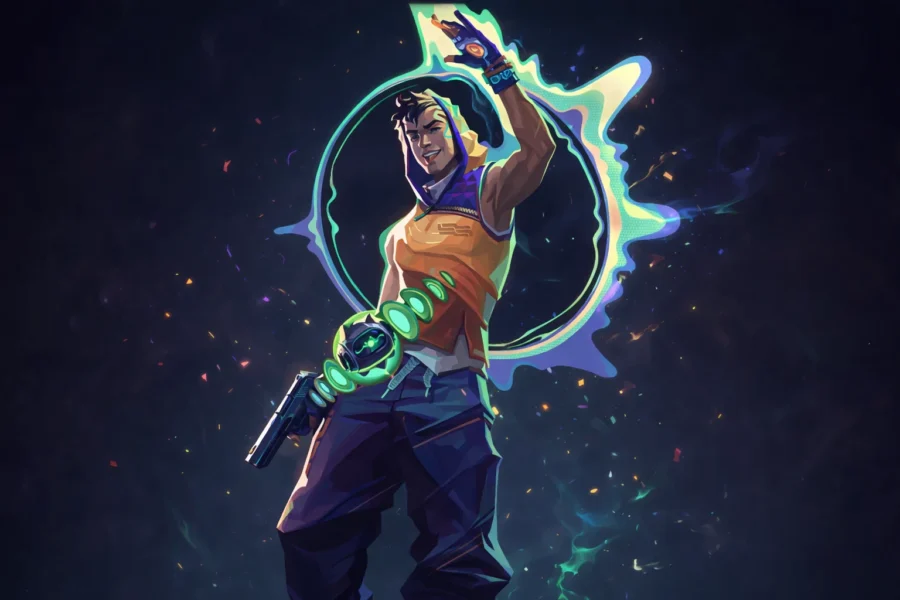
Miks is Agent 30 in Valorant’s roster and the first Controller explicitly designed with direct ally-healing in his kit. His arrival adds a fresh support dimension to Valorant, blending utility, team amplification, and crowd control into a single, music-themed agent. He was revealed at the VCT Masters Santiago Grand Final on March 15 and rolled out globally March 18 at 10:00 AM PST.
Full Kit
| Ability | Type | What It Does |
| Harmonize | Signature | Target an ally and activate Combat Stim on yourself and them; refreshes on kills. Alt-fire grants it to yourself only. |
| M-Pulse | Basic | Throw a device that sends out sound waves on landing; toggle between Concuss (enemies) and Heal (allies) with alt-fire. |
| Waveform | Basic | Place smokes via Map Targeter — fire to set locations, alt-fire to deploy. |
| Bassquake | Ultimate | Unleash Sonic Radiance forward, knocking back, Deafening, and Slowing all players hit. |
- Harmonize is Miks’s defining ability and the source of his team-first identity. The Combat Stim lasts about 8 seconds and refreshes whenever the buffed teammate gets a kill, emphasizing Miks’s role as a team amplifier. Using Harmonize on himself provides the buffs as well, but only teammates can extend the duration. The practical implication is clear: Miks is strongest when he’s enabling a player who is already winning duels, not self-sufficient.
- M-Pulse is the dual-output grenade that makes Miks genuinely novel in the Controller slot. The ability to toggle between a Concuss output (disrupting enemies) and a Healing output (restoring ally health) — including potentially through walls — gives Miks a mid-round flexibility that no other Controller in the game has.
- Waveform operates like a standard controller smoke via Map Targeter, comparable to Brimstone or Astra in execution. It provides the foundation that lets the rest of his kit function by setting smokes at targeted locations.
- Bassquake is an area-denial ultimate that combines knockback, Deafening, and Slow in a forward cone. It is effective for disrupting enemy formations, securing objectives, or forcing enemies to reposition. It won’t delete enemies on its own, but a well-timed Bassquake into a site execute or retake is a free trade for your squad.
How Does Miks Fit the Meta?
Miks rewards players who think about team synergy and timing, making him a standout addition for those who enjoy playing a supportive yet impactful role. Because Miks keeps full smoke utility while adding ally healing and buffs, he looks more like a team-enabler Controller than a pure solo-carry pick.
Early read: Miks looks more like a coordination pick than a hard solo-queue takeover agent. On paper, that makes him easier to justify in organized duos, stacks, or structured executes than in low-comms ranked games. He is a pick for teams that communicate — where the Combat Stim chain, the heals, and the smoke placement are all coordinated around a game plan rather than improvised.
Early player-type read: Miks should be strongest in duos, trios, and full-stack play where teammates can actually cash in on his buff timing and healing windows. In pure solo queue, his value is less guaranteed, because a large part of his kit depends on teammates converting the setup rather than just receiving it. This is an early projection based on Riot’s stated design goals, not a long-settled ladder result yet.
His release comes with an updated Ally Targeting UI that also carries over to Sage. A new widget above the targeted ally’s head and an additional highlight around the agent’s model makes the targeting experience clearer for both players involved.
Knockout — How the New Mode Works
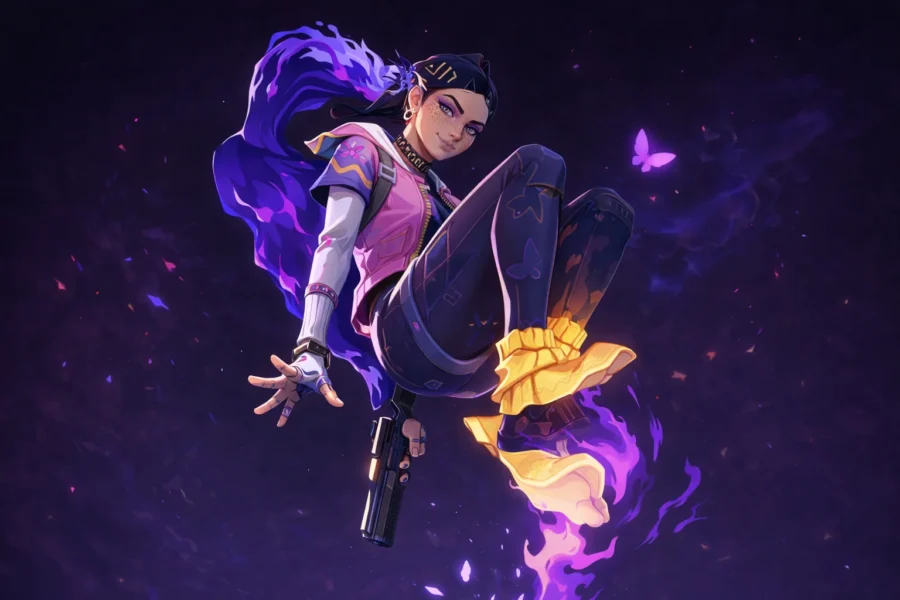
Knockout is a round-based team elimination mode that takes the bones of Team Deathmatch and rebuilds them around coordinated pushes, territory control, and a kill-to-resurrect loop designed to keep momentum swinging constantly.
The structure is simple: five vs five, no Spike, and no player economy. Rounds last 3 minutes, and matches run roughly 8 to 15 minutes, making it a mode built for players with limited time who still want something with tactical texture. The first team to win four rounds takes the match.
The Kill-Revive System
This is what makes Knockout genuinely different. Every kill counts twice: it depletes the enemy and rebuilds you. Kill an opponent, and a dead teammate comes back. The total number of alive players on each side swings constantly, and a 3v5 can flip to a 4v4 inside seconds if your squad trades correctly.
What Does It Reward?
Trading kills rather than trying to win every individual duel. Players who move without teammates often get eliminated quickly because enemies can focus fire on isolated targets. Instead of an economy, players choose from preset escalating weapon loadouts that improve through tiers each round, removing early-round pistol disadvantages.
Best Use Case:
Knockout looks best framed as a quick, low-stakes teamplay mode rather than a pure aim trainer. Because its core rule is trading kills to restore teammates, it teaches collapse timing, spacing, and follow-up pressure more than isolated duel repetition. For pure mechanical warmup, players who only want repetition may still prefer Deathmatch or other stripped-down modes.
Map Pool Changes — Lotus and Fracture Return
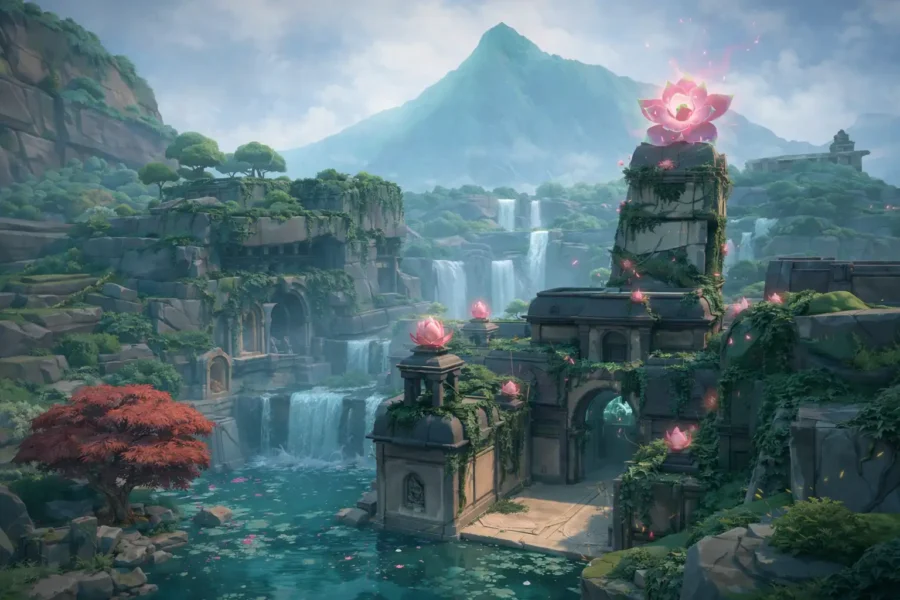
Fracture and Lotus return to the Competitive and Deathmatch map pool for Act 2, replacing Abyss and Corrode.
Act 2 Competitive Map Pool:
- Bind
- Breeze
- Fracture
- Haven
- Lotus
- Pearl
- Split
The return of Lotus and Fracture matters because Riot has been rotating maps every Act since patch 10.00, which keeps the ranked and competitive environment shifting faster than in earlier years. Fracture re-enters the pool in 12.05 after being rotated out in patch 10.08 (it was previously brought back in 10.00).
Fracture also fits the patch’s broader philosophy unusually well. Riot still describes it as a map built around split pressure and unusual flanking options, so bringing it back in the same patch as a teamplay push rewards coordinated pressure and timing more than straightforward defaulting.
Lotus A-Site Changes
As part of Riot’s effort to reduce weapon spam when the barrier drops, they changed some walls on the A-side of the map. Consistent ability usage toward the A-lobby choke when barriers go down was also addressed.
The specific changes:
- Attacker lobby wall thickened — wall penetration off the barrier drop is fully removed, cutting a popular spam angle that punished attackers early.
- Jump-up to Vines repositioned — moved to give attackers a better path out of A-Lobby and a fairer contest for rubble control.
- Tree room wall reinforced — wall penetration removed from this angle as well.
- Extra space added outside A-site stairs — gives defenders room to hold further back from rubble without being forced up.
- A-site plant zone adjusted — planting for Breakable/Link is no longer possible.
What this means in practice:
Lotus is not being redefined; it is being cleaned up. The A-site edits specifically reduce the most punishing pre-fight spam and make first-contact space around A-Lobby more contestable, which should make attacker entry less “coin-flippy” without changing the whole identity of the map.
Agent Balance Changes — Patch 12.05
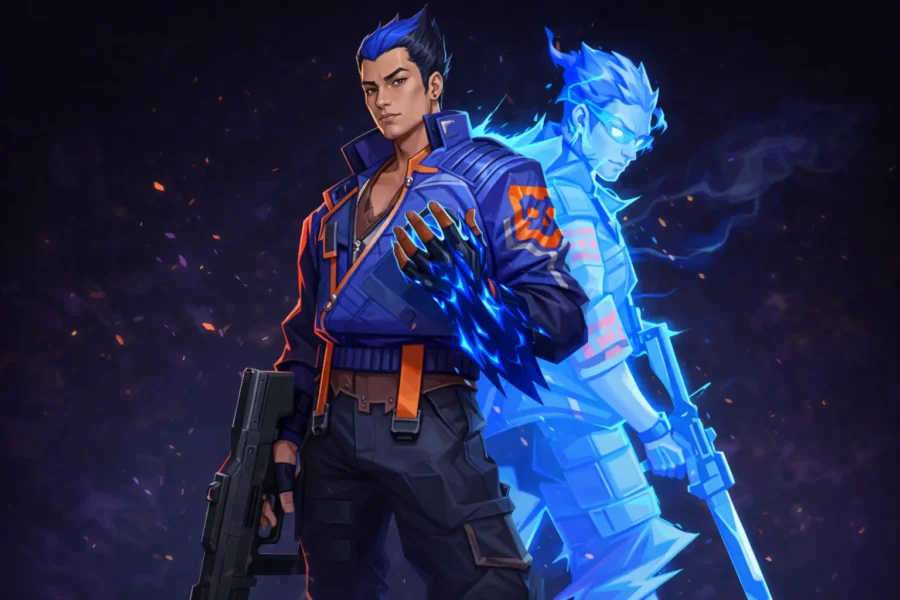
Yoru — Less Flash Pressure, Shorter Gatecrash
Riot noted that Yoru had become strong enough to crowd out flash Initiators and even some Sentinels in high ranks and pro play. These nerfs target his two strongest tools to force more deliberate utility usage:
- Blindside — reduced from 2 charges to 1.
- Gatecrash — beacon active duration cut from 30 seconds to 15 seconds.
One charge forces a real decision about when to commit a flash. The Gatecrash duration change tightens his rotation window and makes fake teleport setups significantly harder to sustain across a long round.
Clove — Post-Death Power Trimmed:
Clove has been an ever-present pick in ranked with a much higher win rate than other agents. Riot noted as early as 11.10 that Clove was dominating competitive queue pick rates and suppressing other controller choices. These changes target Clove’s outsized ability to win after death:
- Ruse — smoke duration while dead cut from 14 seconds to 6 seconds.
- Meddle — radius reduced from 6 meters to 4 meters.
Riot is not just trimming Clove in isolation; it is continuing a longer-running effort to stop Clove from crowding out the rest of the Controller class, especially with the arrival of Miks.
Skye — Guiding Light Gets a Cooldown:
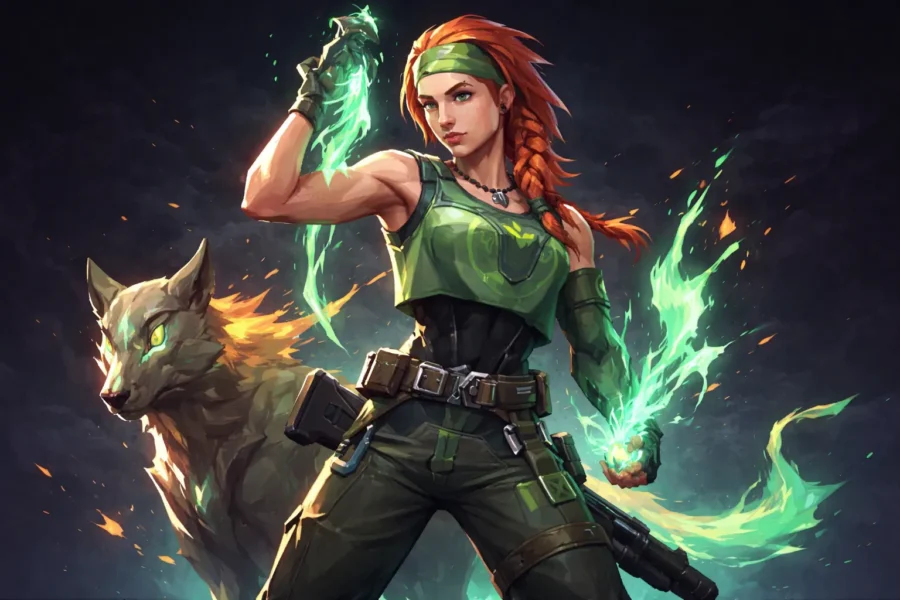
Skye’s Guiding Light has received a new 60-second cooldown. Riot says the prior 45-second state (where applicable) offered too little downside for early scouting use. The 60s duration is intended to make the choice more deliberate, forcing Skye players to be far more intentional about when they deploy the ability.
What these changes do overall: Riot is narrowing the space for agents that can generate too much value alone, especially Yoru and Clove, while re-opening room for more Controller diversity. In practical terms, 12.05 looks less like a patch built around raw solo pressure and more like one built around trade timing, planned utility, and role overlap that has to be earned.
Who Benefits Most From the Patch?
| Group | Projected Effect |
| Team players ↑ | Benefit: Patch rewards coordinated utility trades and executes. |
| Duel-heavy solo players ↓ | Disadvantaged: Agents relying on solo impact (Yoru/Clove) are nerfed. |
| Controller diversity ↑ | Benefit: Miks adds new utility while Clove’s dominance is trimmed. |
| Flash-heavy initiators ↑ | Benefit: Yoru’s reduced flash power gives other Initiators space to shine. |
HUD and System Updates
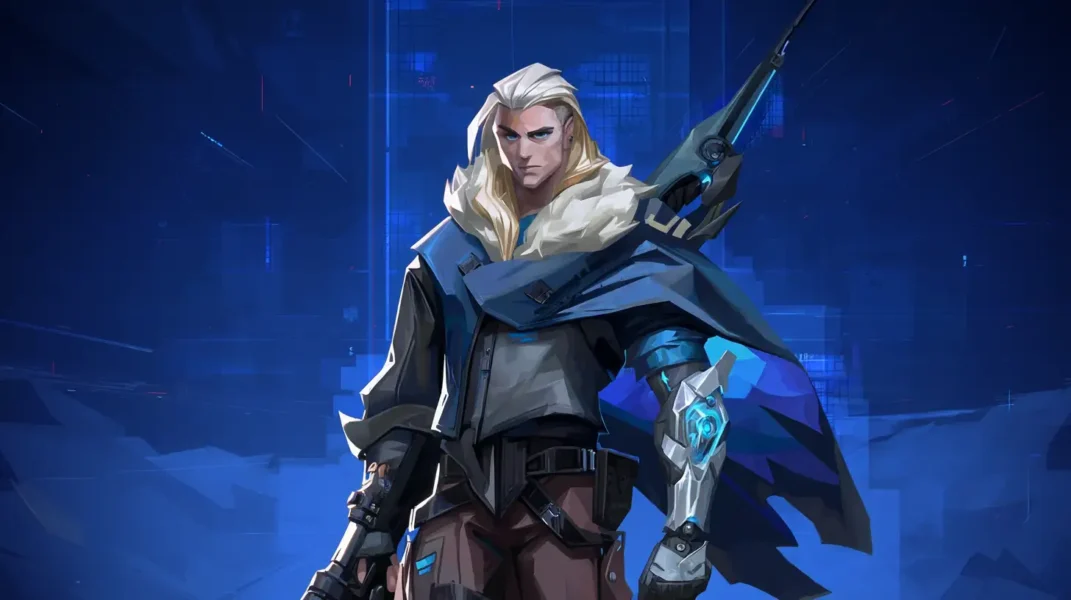
- Assist Banners — When your utility or damage contributes to a kill, you’ll see a banner on the bottom of your screen showing your specific contribution.
- Updated Killfeed — Your team’s killfeed now displays the assisting player’s agent icon and the ability or damage used, visible to your team only.
- Status Effect Tags — Reorganized for clarity, with buffs on the left and debuffs on the right.
- Ranked Impact: The new assist UI is a clarity and feedback update, not a change to the RR formula. Riot has confirmed that while these HUD changes improve recognition for assists, Ranked Rating (RR) gain is still tied mostly to wins, losses, and round difference rather than raw assist volume.
Overall Ranked Impact
Patch 12.05 doesn’t rewrite how Ranked works, but it does subtly change how games play out. The combination of agent nerfs, Miks’s team-focused design, and the assist-focused HUD updates all push in the same direction: less value from isolated solo plays, more value from coordinated team actions.
In practical terms, expect slightly less room for agents that can generate impact on their own without setup, and slightly more reward for players who trade effectively, layer utility, and play around teammates. Yoru and Clove losing some of their self-sufficient power opens space for more structured teamplay, while Miks reinforces that direction by design.
At the same time, rank gains themselves are still primarily tied to winning rounds and matches rather than raw individual stats. The difference is that supportive impact — setting up kills, enabling teammates, and contributing utility — is now much more visible during play, providing better feedback for players who prioritize the squad over the scoreboard.
Ability Map Targeters — Now visible to observers and spectators in replays.
Sage model update — Crystal growths have been added to Sage’s model and key art to show the price she is paying for repeatedly pushing the limits of her power.
Battle Pass and Cosmetics
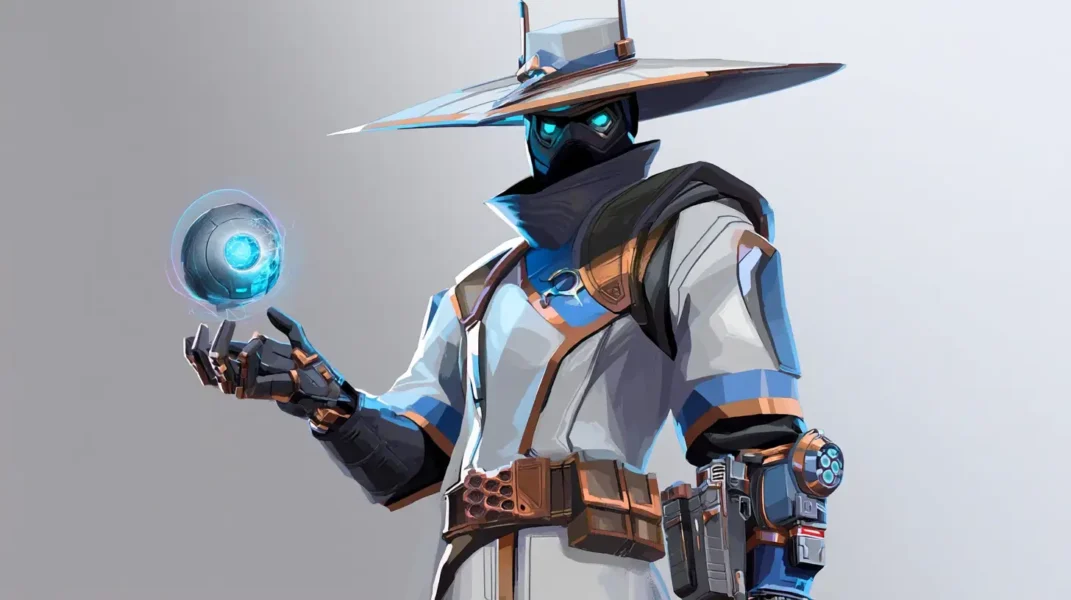
The Act 2 Battle Pass costs 1,000 VP and runs through the Progression Hub.
- Paid track highlights: Paceline Vandal, Dragon Gate Phantom, Soulburst Spectre, and Paceline’s Edge Melee.
- Free track highlights: Soulburst Bandit.
The new store bundle is Blackthorn — featuring a dark, rose-themed design for the Vandal, Guardian, Marshal, and Classic, as well as the Blackthorn Blades melee.

Epiccarry: best wow boost and coaching services
Frequently Asked Questions
What is the new controller agent in Valorant?
The new controller agent is a recently introduced role-focused character designed to control space using smokes, utility, and team support abilities. As a controller agent, their main job is to block vision, delay pushes, and enable safe site execution for teammates.
How do you unlock the new controller agent in Valorant?
You can unlock the new controller agent by either completing their Agent Contract using XP or purchasing instant access through Valorant Points. Progressing through tiers in the contract will also unlock additional rewards like gun buddies and cards.
What abilities does the newest controller agent have?
The newest controller agent typically has abilities centered around vision control, area denial, and team utility. This includes smokes, zoning tools, and possibly a unique mechanic that differentiates them from agents like Brimstone, Omen, or Viper.
Is the new controller agent good in the current meta?
Yes, the new controller agent is strong in the current meta, especially after recent balance updates. Their utility provides flexible control over key areas, making them viable in both ranked play and coordinated team compositions.
What are gun buddies in Valorant and how do you get them?
Gun buddies are cosmetic charms that can be attached to your weapons. You can get them through the battlepass, agent contracts, event rewards, or by purchasing bundles in the store.
How do you unlock gun buddies in the new battlepass?
Gun buddies in the new battlepass are unlocked by earning XP and progressing through tiers. Some buddies are free, while others require the premium battlepass to access.
What weapon skins are included in the new battlepass?
The new battlepass includes multiple weapon skin lines with different visual themes. These usually cover popular weapons and may include variants unlocked through epilogue or later tiers.
How long does it take to complete the new battlepass?
On average, it takes about 50–70 hours of gameplay to fully complete a battlepass, depending on how consistently you complete daily and weekly missions for XP.
What is the fastest way to gain XP in Valorant?
The fastest way to gain XP is by completing daily and weekly missions, playing unrated or competitive matches, and consistently logging in. Weekly missions provide the biggest XP boosts.
Are there free rewards in the new battlepass?
Yes, every battlepass includes a free track with limited rewards such as gun buddies, player cards, sprays, and sometimes weapon skins. The premium track unlocks the full set of content.
What are player cards and how do you use them?
Player cards are cosmetic profile banners that appear on your account and during matches. You can equip them from your collection and unlock them through battlepasses, events, or contracts.
What are balance updates and how do they affect controller agents?
Balance updates are patches released by Riot Games that adjust agent abilities, weapons, and gameplay mechanics. For controller agents, this can affect smoke duration, cooldowns, or utility effectiveness.
Can you purchase battlepass rewards individually?
No, battlepass rewards cannot be purchased individually. You must progress through the tiers using XP, although you can buy tier skips using Valorant Points.
What is included in the battlepass epilogue?
The epilogue contains bonus rewards unlocked after completing all main tiers of the battlepass. These usually include exclusive gun buddies, cards, or cosmetic items.
Is the new controller agent better than Brimstone, Omen, or Viper?
The new controller agent isn’t strictly better but offers a different playstyle. Depending on the map and team composition, they can outperform traditional controllers in certain scenarios.