The WoW Classic Anniversary: The Burning Crusade PvP Season represents a fundamentally different competitive environment from later TBC eras. Season 1—the Infernal Gladiator phase—is defined by low stamina, low resilience, and extremely severe punishment for mistakes, where early momentum, mechanical execution, and racial abilities often outweigh raw gear progression.
Rather than a slow, scaling meta, TBC Anniversary PvP rewards players who understand class rhythms, bracket incentives, and opener-driven win conditions. This guide breaks down how those constraints reshape Arena balance, specialization viability, and progression decisions across PvP formats.
What This Guide Covers
- Season 1 PvP fundamentals, including rating structure, dampening, and bracket point efficiency
- Faction and racial advantages, and why racials matter more in Anniversary PvP than later TBC seasons
- How elite specializations actually win, focusing on Rogue, Discipline Priest, and SL/SL Warlock play patterns
- A 2v2-focused Arena tier list, with context for off-meta and lower-tier specs
- Bracket differences between 2v2, 3v3, and 5v5, and why performance doesn’t translate evenly
- Battleground roles and fundamentals, including where non-Arena specs find real value
- PvP gearing and progression, covering Honor gear, PvE offsets, Arena sets, and resilience trade-offs
- Professions, addons, macros, and execution tools required for competitive play
- A decision framework to help you choose the right class and playstyle for Season 1
Arena Fundamentals in TBC PvP (Season 1 Meta & Rating System)
Success in Classic TBC PvP is best explained through the Volume Theory of Climbing. Because the meta is largely solved and matchups are highly scripted, persistence is often a stronger predictor of success than raw win rate.
In practice, teams can climb to high ratings with only a slight edge—around a 51% win rate—by committing to large volumes of games. Repetition allows players to internalize mechanical exchanges, cooldown timing, and matchup-specific decisions within their chosen composition.
Rating Structure and Weekly Progression
The Anniversary rating system reinforces this model. Characters begin Arena play at a 1,500 rating, allowing immediate progression rather than a grind from zero. Teams that fall below this threshold can reset back to 1,500 once per weekly reset for a gold fee, preventing prolonged stagnation.
Arena points are awarded weekly after reset, provided a character participates in at least ten games in a given bracket. While 2v2 remains the most popular format, it is also the least efficient for point generation. By comparison, a 5v5 team at roughly 1,800 rating earns a similar volume of points to a 2v2 team at around 2,600.
Dampening and Match Resolution
The addition of Arena Dampening at the 20-minute mark fundamentally changes long-form strategy. Dampening reduces healing effectiveness over time, ensuring matches cannot stall indefinitely through mana drain or defensive play alone.
As a result, late-game success favors teams that can maintain pressure and force mistakes, rather than those relying purely on survival or attrition.
Why This Matters
Taken together, these systems reward consistency, repetition, and execution. Season 1 Arena is less about discovering hidden tech and more about performing known exchanges cleanly, over and over, across hundreds of games.

Best PvP Racials in WoW TBC Anniversary (Horde vs Alliance)

| Race | Faction | Racial Ability | PvP Impact |
| Blood Elf | Horde | Arcane Torrent | AoE silence; secures kill windows |
| Orc | Horde | Hardiness | RNG stun resist; anti-Rogue value |
| Undead | Horde | Will of the Forsaken | Fear break (ruleset-dependent CD) |
| Troll | Horde | Berserking | Burst amplification |
| Tauren | Horde | War Stomp | Setup CC, drink or reset window |
| Human | Alliance | Perception | Stealth detection advantage |
| Dwarf | Alliance | Stoneform | Cleanse + defensive reset |
| Gnome | Alliance | Escape Artist | Root/snare break |
| Night Elf | Alliance | Shadowmeld | Drink reset & stealth advantage |
Opening Momentum Matters in Season 1
In a Season 1 environment where health pools are fragile and dampening forces early conclusions, the opening engagement often determines the entire match. Racial abilities provide the leverage needed to secure that early momentum.
Horde Racials: Creating Kill Windows
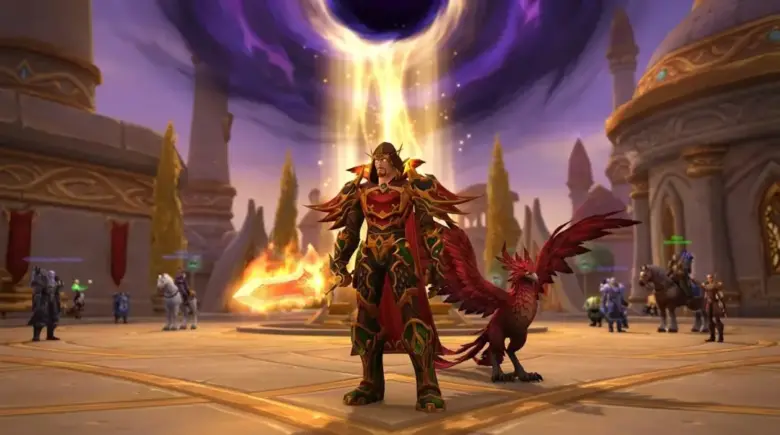
- Blood Elf – Arcane Torrent: Arcane Torrent is meta-defining in Season 1. Its 8-yard, 2-second AoE silence effectively removes the enemy healer during a kill window. In melee setups—such as Ret Paladin pairings—it stacks with stuns to create extended “no-cast” moments.
- Orc & Undead – Variance and Timing: Hardiness introduces high variance into stun-based matchups; a resisted Kidney Shot can instantly swing a game. Will of the Forsaken remains valuable for breaking Fear effects, but depending on the ruleset may share a cooldown with the PvP trinket and should be treated as a timing tool, not a free escape.
- Troll & Tauren – Burst and Setup Utility: Berserking amplifies burst during critical damage windows. War Stomp provides setup value, often enabling a Cyclone or creating a safe opportunity to disengage and drink.
Alliance Racials: Detection and Resets
- Human & Night Elf – Stealth Control: Perception frequently decides stealth matchups outright, securing the opener in Rogue-versus-Rogue scenarios. Shadowmeld enables resets, allowing Druids to drink or Rogues to improve stealth positioning, particularly in Battlegrounds and open-world PvP.
- Dwarf & Gnome – Cleansing and Mobility: Stoneform acts as a defensive reset by cleansing poisons and diseases, countering Wound Poison pressure and Hunter mana drain. Escape Artist provides a critical root and snare break, often necessary for Warriors and Warlocks to maintain uptime against Mages.
TBC PvP Class Playstyles Explained (Rogue, Disc Priest, SL/SL Warlock)
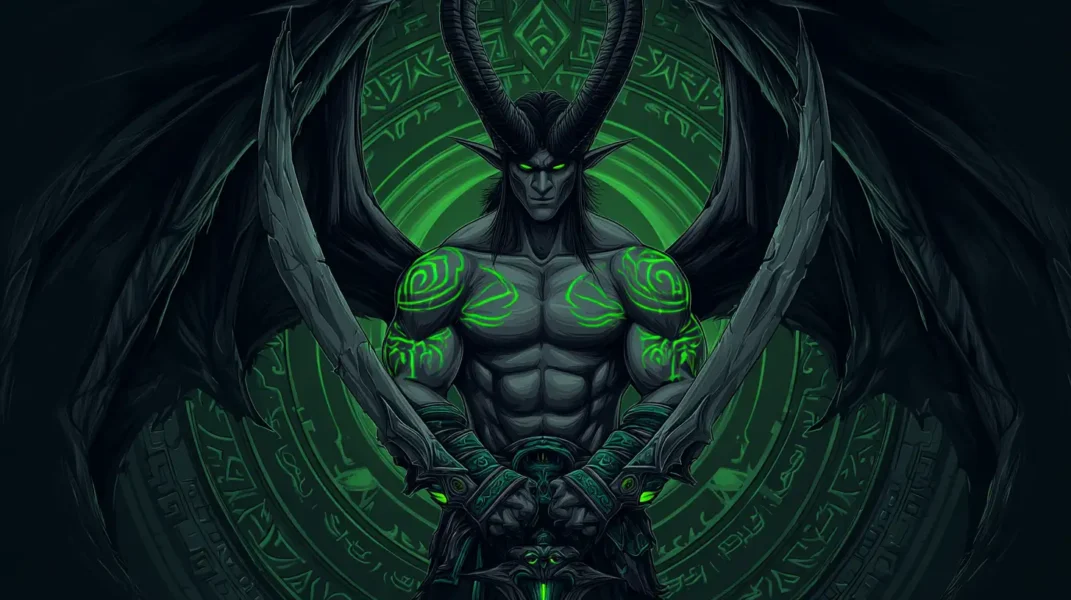
Because raw damage is rarely sustained long enough to matter in TBC Classic, success is defined by how well a class cycles offensive and defensive windows. These cyclical rhythms—not raw DPS—separate high-tier contenders from casual participants.
Subtlety Rogue: Control → Kill → Reset
The Subtlety Rogue functions as a cycle manager, not a sustained damage dealer.
- Acquire control: Open with Cheap Shot to force positioning errors or cooldowns.
- Build the window: Align stuns with partner CC to isolate the kill target.
- Cash out: Commit burst during Kidney Shot.
- Reset if needed: If no major defensive is forced, Vanish to re-stealth and deny counter-pressure.
Shadowstep allows Subtlety to maintain uptime and re-engage cleanly—something Combat or Assassination cannot replicate in Season 1.
Discipline Priest: Offensive Dispel Tempo
Discipline Priest wins by stripping resources, not by topping health bars.
- Offensive Dispel: Remove key buffs like Blessing of Freedom or HoTs to expose targets.
- Trinket Discipline: Hold trinket strictly for kill-prevention moments.
- Mana Burn pressure: Turn stalled matches into guaranteed wins through resource denial.
Unlike Holy, Disc converts survival into inevitable momentum rather than prolonged stability.
SL/SL Warlock: Attrition and Inevitability
SL/SL Warlock is the clearest expression of TBC’s attrition-based PvP.
- Slow pressure: Maintain constant DoT uptime rather than chasing burst.
- Pet control: Proper pet positioning and survival are core win conditions.
- CC management: Fear and control deny future plays rather than forcing immediate kills.
The damage itself isn’t the threat—the win condition is removing the opponent’s ability to respond. While Destruction offers higher burst, SL/SL provides the inevitability Season 1 rewards.

WoW TBC Arena PvP Tier List (Season 1 – Best 2v2 Compositions)
Note: Tiering below is weighted toward 2v2 performance in WoW Classic TBC; see Section VIII for BG and 3v3 differences.
| Tier | Composition | Why It’s Strong in Season 1 |
| S | SL/SL Warlock + Restoration Druid | Unmatched attrition, denial, and dampening scaling |
| S | Subtlety Rogue + Discipline Priest | CC chains + offensive dispel overwhelm healers |
| S | Subtlety Rogue + Frost Mage | Shatter burst and layered control prevent recovery |
| A+ | Arms Warrior + Discipline Priest | Dispel-supported uptime enables constant pressure |
| A+ | Beast Mastery Hunter + Discipline Priest | Early pressure + mana denial end games quickly |
| A | Arms Warrior + Restoration Druid | Survivability combined with Mortal Strike pressure |
| A | Retribution Paladin + Restoration Shaman | Windfury burst and seal twisting create unhealable damage |
S-Tier: The God Tier
- SL/SL Warlock & Restoration Druid: The premier survivalist duo. It relies on volume and attrition, winning through pure denial and dampening inevitability.
- Subtlety Rogue & Disc Priest (DPR): An iconic duo defined by solid damage and unparalleled CC chains. The Blind into Psychic Scream combo is a staple winning move with very few hard counters.
- Subtlety Rogue & Frost Mage: A high-skill-cap composition that thrives on perfectly timed “Shatter” combos.
A-Tier: High-Efficiency Contenders
- Arms Warrior & Disc Priest (A+): In Season 1, the magic dispel from the Priest allows the Arms Warrior to maintain 100% uptime by removing roots, making it extremely strong.
- Beast Mastery Hunter & Disc Priest (A+): The Beast Mastery Hunter provides overwhelming early pressure that can neutralize healers in minutes.
- Arms Warrior & Restoration Druid: A classic staple that wins through superior survivability and Mortal Strike pressure.
- Retribution Paladin & Restoration Shaman: Often called “Cactus Pally,” the Retribution Paladin pairs with a Restoration Shaman to provide unhealable burst via Windfury and seal twisting.
In a low-resilience environment, these compositions dominate because they either end games quickly through burst and control or scale infinitely through attrition and dampening. Mistakes are punished immediately, and defensive resets are limited.
Off-Meta PvP Specs in TBC (B, C & D Tier Classes Explained)
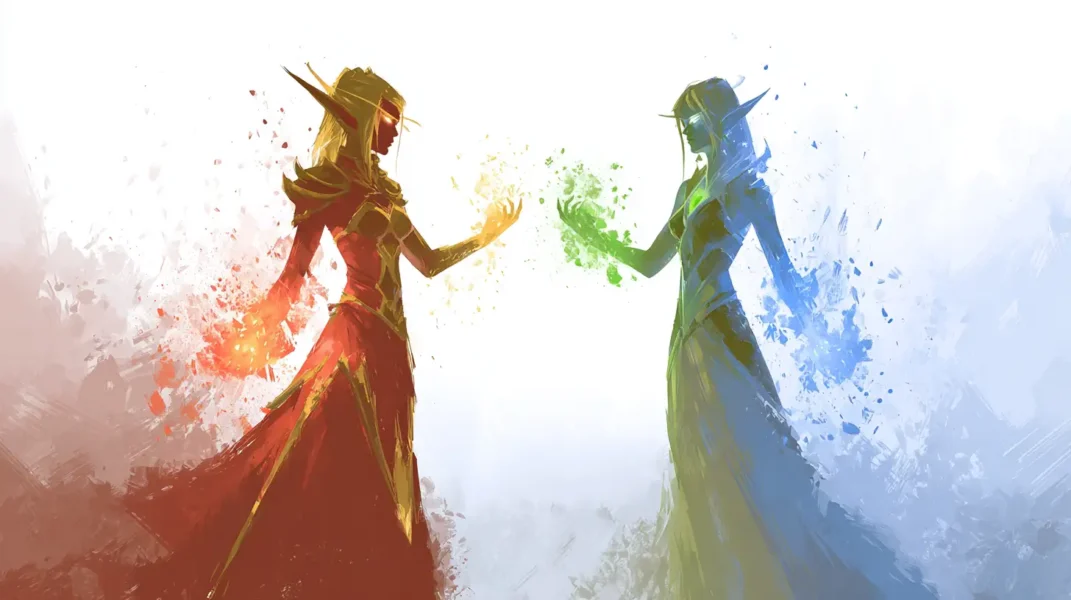
While high-tier specs dominate, many DPS specs and PvP specs occupy lower tiers due to mana issues or being highly susceptible to kiting.
| Tier | Specs | Core Limitation |
| B | Feral, Marksmanship, Survival | Lack of decisive kill windows |
| C | Elemental, Enhancement, Arcane, Fire, Balance | Mana issues, survivability |
| D | Fury Warrior, Protection Warrior, Protection Paladin | Toolkit unsuited for Arena |
These specs can succeed with skill and coordination but lack the consistency or pressure required to dominate a low-resilience Arena meta.
TBC PvP Gearing Guide (Resilience, Honor Gear & Arena Progression)
The primary tension in Classic Anniversary gearing is the trade-off between solid damage and resilience. Resilience is the core PvP stat that reduces both the chance to be critically hit and the damage taken from those critical strikes. In Season 1, Resilience is low, making everyone vulnerable to bursts.
The Progression Loop
Characters should prioritize completing Battlegrounds to acquire the blue-quality Honor set upon reaching level 70. To maximize damage output, players often mix in high-performance PvE items from Gruul’s lair or Karazhan. However, melee classes are often gear-dependent; a Rogue wearing too much PvE gear can be deleted in a single stun. In Season 1, prioritize completing your core PvP set bonuses once possible—these bonuses are typically high-impact and often outweigh individual off-set upgrades. Many players prioritize these items before the pre-patch arrives to ensure they have the best possible start.
Best Professions for TBC PvP (Engineering, Blacksmithing & More)

Engineering and Crafting
Engineering impact depends on the pre-patch ruleset; most high-impact gadgets are restricted in rated Arena, making the profession more about goggles for strong early stats (and some stealth-detection value). However, Blacksmithing remains vital for the Arms Warrior to craft Deep Thunder, a weapon superior to standard PvP gear due to its RNG stun. Jewelcrafting and Enchanting are also the best specs for raw stats, as they provide unique gems and ring enchants.
For players who want to stay PvP-focused and skip farming routes, Auction House scanning, or material bottlenecks, our TBC Anniversary Profession Kits Boost can remove the grind entirely.
Battleground PvP & Arena Brackets in TBC (2v2 vs 3v3 vs 5v5)
In larger formats like Battlegrounds, D-tier Arena specs find their niche. A Protection Warrior acts as a sturdy node defender and frontline disruptor; however, Restoration Druid characters remain the premier flag carriers. Elemental Shaman and Fire Mage specs provide massive AoE damage in group fights at Arathi Basin flags.
Battleground Fundamentals
Success in Battlegrounds relies on objective priority over raw kill counts. Positioning in teamfights is essential; DPS must focus healers while being ready to peel for their own backline rather than chasing kills across the map.
Bracket Scaling
- 3v3: Generally, the most balanced bracket. Shadow priest characters gain relevance in Shadowplay-style comps (SP + Warlock + healer), and Restoration Shaman healers rise in value in cleave lineups where extra dispels matter.
- 5v5: The most point-efficient bracket. It is defined by “Burst Stacking.” Expect double-healer variants and coordinated swaps; comps with multiple offensive dispels and stuns are valued. Holy Paladin is less flexible in 2v2 but gains value in 5v5 for durability, Blessings, and strong single-target throughput.

TBC PvP Addons, Macros & Execution Tips (Arena Essentials)
Competitive play requires specific tools and technical awareness.
- Addons: Gladius (or Gladdy) is mandatory for tracking enemy trinket cooldowns and health. OmniBar is essential for monitoring enemy interrupts.
- Macros: Players should utilize Focus and Arena1-2-3 targeting macros. For example, a macro to cast Polymorph on a Focus target allows for CC without switching off the primary kill target.
- Consumables: Rated Arena typically restricts the most game-warping consumables (especially combat potions); check the Anniversary ruleset, and don’t build strategies around consumables.
- Diminishing Returns (DR): Awareness of DR is critical. Repeatedly using the same CC category (e.g., Fear or Polymorph) on the same target reduces its duration, necessitating a coordinated rotation of different CC types.
Which PvP Class Should You Play in TBC? (Season 1 Decision Guide)

When the pre-patch arrives and the season begins, success is dictated by your choice of spec:
- Pure Kiting/Damage: The Hunter or Mage is the theoretical choice for those who enjoy controlling the pace.
- Lockdown/Setup: The Subtlety Rogue remains the premier archetype for scripted win conditions.
- Aggressive Healing: The Discipline Priest provides the highest fulfillment for pressuring the enemy resource bar.
- Attrition: The SL/SL Warlock is the gold standard for players who value mathematical inevitability and sustained damage.
Ultimately, Season 1 of WoW Classic TBC is a test of mechanical discipline. Securing raid spots for off-set gear can help, but true mastery of the WoW Anniversary TBC PvP environment comes from the thousands of Arena repetitions required to reach the top.

Frequently Asked Questions
What defines the PvP meta in **World of Warcraft: The Burning Crusade Anniversary Season 1?
The Season 1 PvP meta is defined by low stamina, low resilience, and highly scripted matchups. Because survivability stats are limited, burst damage, crowd control sequencing, and racials have an outsized impact on match outcomes. Small execution errors are often decisive.
Is PvP in TBC Anniversary more burst-oriented than later seasons?
Yes. Season 1 heavily favors burst because health pools are fragile and defensive cooldowns are limited. As resilience scales in later seasons, sustained pressure becomes more viable, but early Anniversary PvP rewards fast, decisive kill windows.
Which Arena bracket is best for earning Arena gear in TBC Classic?
From a purely efficiency standpoint, 5v5 is the best bracket for earning Arena points. 3v3 offers a balance between competitiveness and rewards, while 2v2—despite being the most popular—provides the lowest point returns per rating.
Do you need a high win rate to climb Arena rating in TBC Anniversary?
No. Because the meta is solved and ratings start at a median value, consistent participation matters more than raw win rate. Teams hovering slightly above 50% can still climb steadily by playing a high volume of games and refining execution.
Why do racials matter more in Season 1 PvP?
In low-resilience environments, even brief advantages can decide matches. Racials often enable early momentum, deny counterplay, or create windows where healers or defensive abilities are unavailable, making them far more impactful than in later seasons.
Is Blood Elf the strongest PvP race in TBC Classic?
Blood Elf is widely considered the strongest PvP race for many Arena comps due to Arcane Torrent. Its AoE silence enables coordinated burst by temporarily removing the enemy healer from play, especially when layered with stuns or crowd control.
Are Alliance racials weaker than Horde racials in PvP?
Alliance racials are not weaker, but they serve a different purpose. They emphasize detection, cleansing, and resets rather than raw offensive pressure. In skilled hands, these tools can decisively swing stealth matchups or negate burst attempts.
What makes Subtlety Rogue strong in TBC Arena?
Subtlety Rogue excels because it controls the pace of the match. Through stuns, resets, and Shadowstep mobility, Rogues can repeatedly force kill attempts while denying retaliation, making them one of the most oppressive Season 1 specs.
Why is Discipline Priest preferred over Holy Priest in Arena?
Discipline Priests convert defense into offense. Through offensive dispels, Mana Burn pressure, and disciplined trinket usage, they actively dismantle enemy setups rather than simply reacting to damage, which is crucial in fast-paced Season 1 matches.
Is SL/SL Warlock better than Destruction Warlock in Season 1?
Yes. While Destruction offers higher burst potential, SL/SL provides survivability, pet control, and attrition-based inevitability. These traits are far more reliable in a meta where matches often hinge on sustained denial rather than single casts.
Are B-tier and C-tier specs viable in TBC PvP?
They are viable but situational. These specs can succeed with strong coordination and matchup knowledge, but they lack the consistency, control, or kill pressure required to dominate across the ladder.
Do Battlegrounds favor different specs than Arena?
Yes. Battlegrounds reward AoE damage, mobility, and defensive roles. Specs that struggle in Arena can thrive in BGs by contributing through objective control, team fights, or disruption rather than isolated kill pressure.
How important is resilience in TBC Anniversary PvP?
Resilience is important but scarce in Season 1. Because players cannot stack much of it early, burst damage remains extremely lethal, and positioning and cooldown usage matter more than raw defensive stats.
Can PvE gear be used effectively in Arena?
Yes, but selectively. PvE gear can boost burst damage or mana efficiency, especially for casters. However, overusing PvE items—particularly on melee—often results in dying during stun windows due to reduced survivability.
Do Arena matches use dampening in TBC Anniversary?
Yes. Dampening begins at the 20-minute mark and gradually reduces healing effectiveness. This prevents indefinite stalemates and ensures matches end decisively, favoring teams that can maintain pressure late.
Are professions important for PvP performance in TBC Classic?
Professions are important primarily for efficiency. Crafted gear, early stat spikes, and reduced setup time allow players to focus on PvP faster, which is especially valuable in a volume-driven Season 1 ladder.
Is Engineering usable inside Arena matches?
Most Engineering combat items are restricted in Arena. However, Engineering remains valuable for early gearing, Battleground utility, and world PvP, making it a popular choice among competitive players.
What addons are essential for TBC Arena PvP?
Arena frame addons, cooldown trackers, and focus-target tools are essential. These addons improve awareness of trinkets, diminishing returns, interrupts, and positioning—key factors in winning scripted matchups.
How many Arena games must you play per week to earn points?
Players must participate in at least ten games per bracket each week to qualify for Arena point rewards. Consistent weekly participation is mandatory for progression.
Is TBC Anniversary PvP more skill-based or gear-based?
Season 1 strongly favors skill. Mechanical execution, coordination, and timing outweigh gear advantages until later seasons increase resilience and stamina scaling.