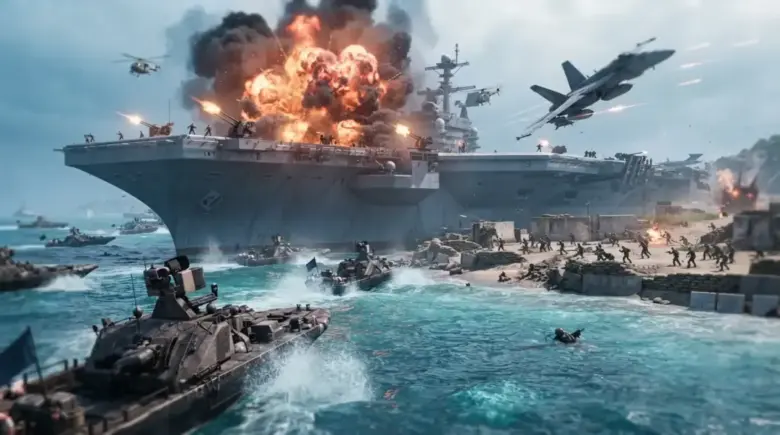
The HEAT beta (formerly Project CW) is shaping up to be one of the most skill-driven tank warfare experiences on the market — a direct challenge to the dominance of World of Tanks, while still delivering something genuinely new. Instead of relying heavily on RNG and hit point trading, HEAT shifts the focus toward player knowledge, precision, and decision-making, creating a faster, more tactical battlefield.
In this guide, we’ll cover:
- Core gameplay mechanics and how HEAT differs from traditional tank shooters
- The damage model, weak points, and how to deal consistent damage
- Agent skills, vehicle roles, and ability-based combat systems
- Game modes, objectives, and how matches actually play out
- Positioning, map control, and decision-making fundamentals
- Beginner mistakes to avoid and tips to improve quickly
- The current meta, progression system, and what to expect from the beta
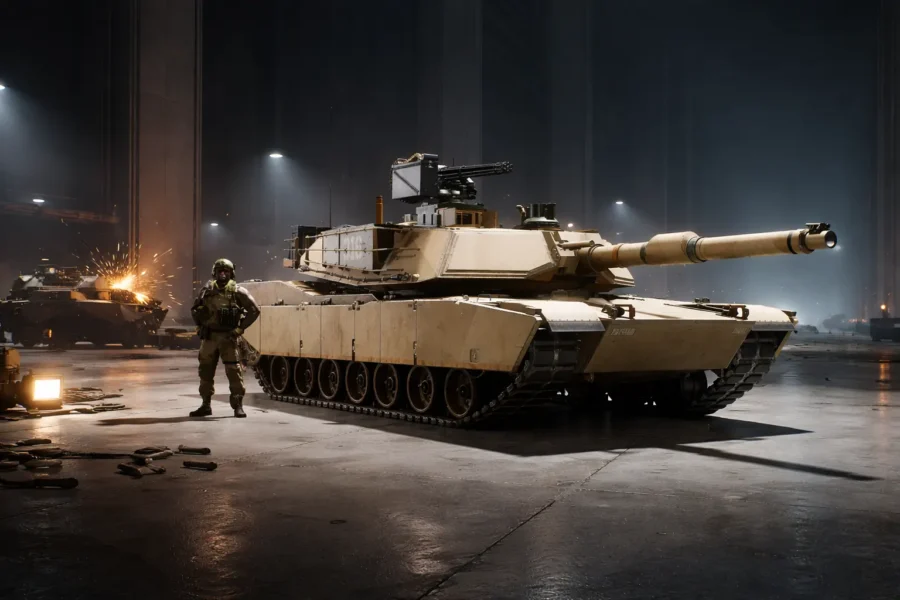
World of Tanks: HEAT Beta Dates, Platforms, Crossplay & How to Get Access
The current HEAT closed beta test is a limited-time technical evaluation designed to stress-test the game’s systems before full release.
- Beta Dates: April 16 (10:00) — April 20 (09:00) UTC+3
- Platforms: PC via Steam build and Wargaming Game Center, Steam Deck, PlayStation 5, Xbox Series X|S, and Nvidia GeForce NOW
- Crossplay: Fully enabled across all platforms
- Progression: All progress, including Battle Pass rewards, will be wiped after the beta
The closed beta test provides access to most of the game’s current content, including all four modes, the agent roster, and a wide vehicle selection. Bugs and balance issues are expected at this stage — that’s the point.
What Is World of Tanks: HEAT? Key Differences vs World of Tanks Explained
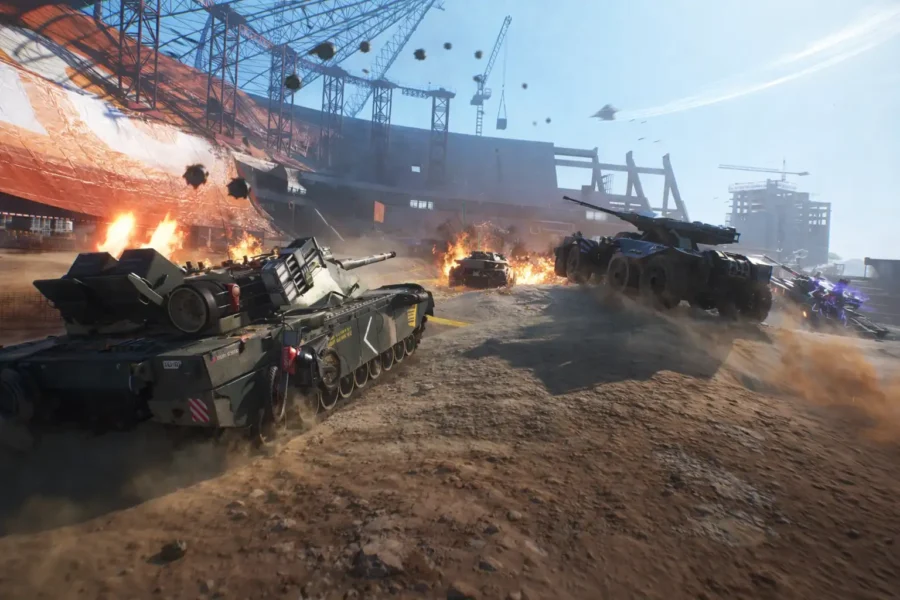
HEAT is a free-to-play modern tank shooter built around unique abilities, module-based damage, and fast-paced objective gameplay. It uses real-world armored vehicles — Abrams, Challenger, Centauro, and others — but it isn’t a simulator. Think of it as a hybrid: the tactical depth of a sim, the pace of a hero shooter.
Set in an alternate post-World War II timeline, HEAT combines modern and experimental armored vehicles with advanced technology and deep customization. The game runs on Wargaming’s proprietary engine, built to support fast-paced combat, large-scale particle effects, and cross-platform play.
The HEAT vs World of Tanks comparison comes up constantly, and for good reason:
| Feature | HEAT | World of Tanks |
| Damage Model | Module-based, knowledge-driven | HP-based with RNG spread |
| Shooting RNG | Minimal at full convergence | Significant even when aimed |
| Vehicle Abilities | Active unique abilities per vehicle | Passive equipment and consumables |
| Match Pace | Fast, momentum-driven | Slower, position-heavy |
| Respawn System | Yes | No (one life per match) |
| Era Setting | Modern armor (MBTs, wheeled vehicles) | WW2 to Cold War |
| Customization | Deep customization via agent skills | Equipment and crew builds |
If you’re coming from World of Tanks, the single most important adjustment: stop playing passively. HEAT punishes camping harder than almost any other game in the genre.
Graphics & Performance: FPS, Optimization & System Expectations
HEAT’s visual presentation has gone through a notable upgrade during the closed beta test. Ground textures, lighting, and environmental detail have all been brought in line with the tank models themselves — which have been high quality from the start.
The engine holds up well during high-action sequences. Particle effects and fast-moving engagements don’t cause significant visual breakdown, which matters more than it sounds — in a game where spotting a weak point can double your damage output, visual clarity during chaos is a real gameplay factor.
Optimization is still in progress. Don’t judge the final version by current beta performance, but the foundation is strong.
All World of Tanks: HEAT Game Modes Explained: Conquest, Kill Confirmed & More
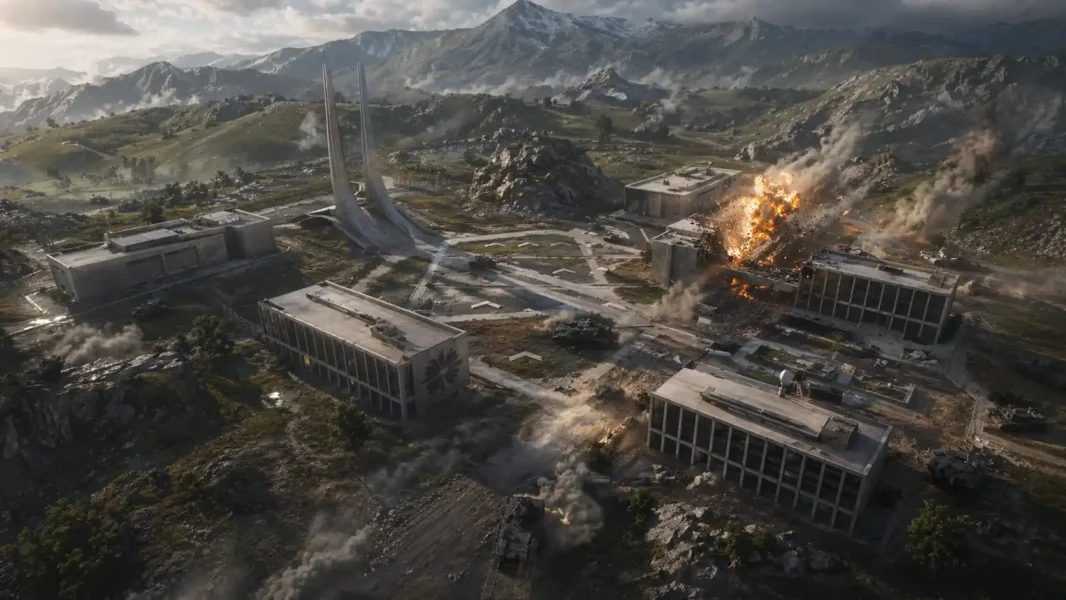
The closed beta test includes four modes, each requiring a different approach to strategy and map control.
| Mode | Description | Key Focus |
| Conquest | Teams fight to capture and hold multiple bases across the map | Map control, rotation, sustained pressure |
| Kill Confirmed | Eliminate enemies and collect tags to score — enemies can deny your points | Aggressive play, denying enemy scoring |
| [Mode 3] | Objective-based mode | Role coordination, firepower application |
| [Mode 4] | Assault/Defense structure | Positioning, ability timing |
- Conquest is currently the most strategically rich mode. Holding multiple bases simultaneously creates a scoring advantage that compounds over time — teams that spread thin and contest every zone tend to lose to teams that consolidate and defend smart. Use abilities to secure zones rather than chase individual kills.
- Kill Confirmed rewards aggression but punishes tunnel vision. Collecting a tag leaves you exposed. Denying enemy tags — by eliminating the collector before they can bank — is just as important as your own score.
WoT: HEAT Agent System Explained: Abilities, Roles & Best Playstyles
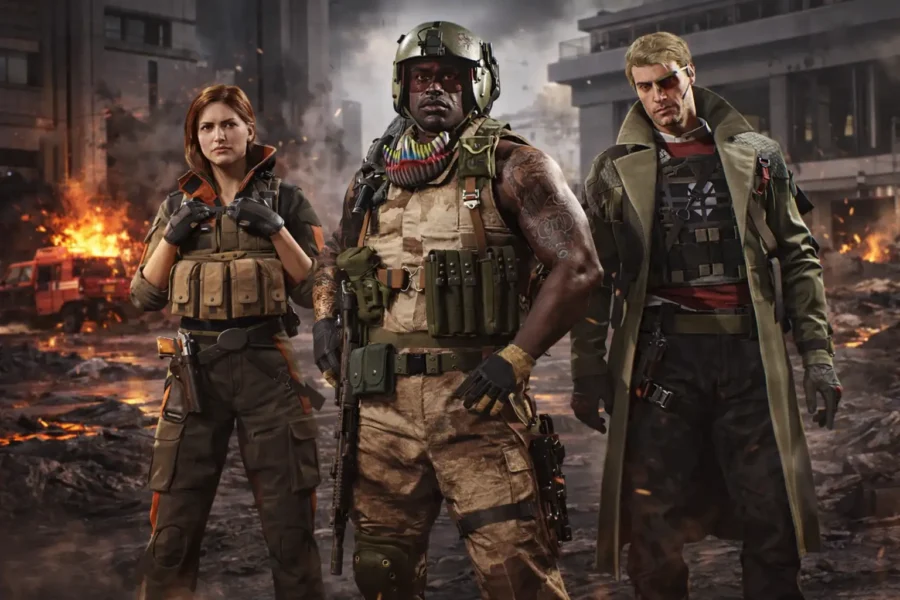
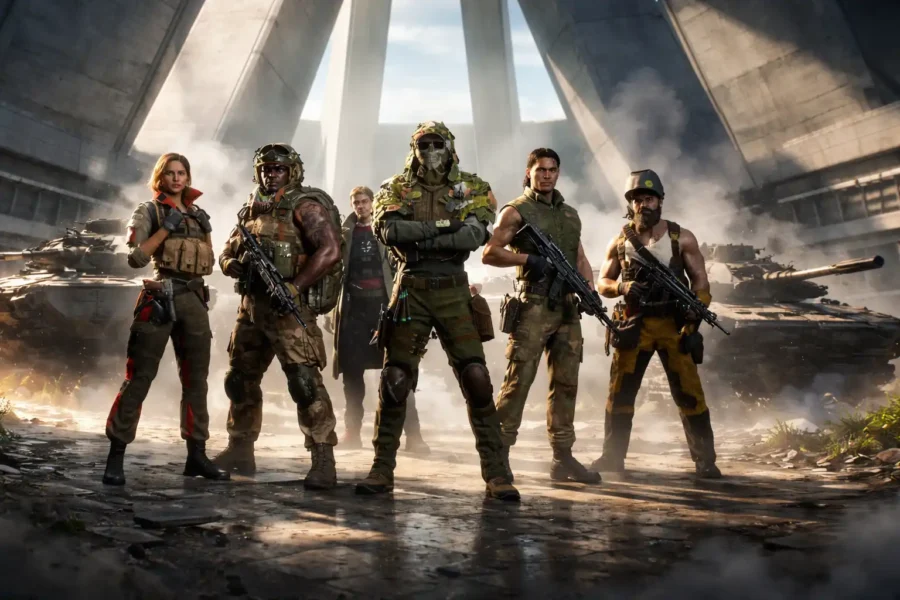
One of the most significant structural differences between HEAT and traditional tank games is the elite agents system. Rather than a passive crew that improves over time, HEAT’s eight agents are active tactical commanders, each with their own unique abilities, agent skills, and vehicle pairings.
In earlier testing, one agent was tied to one vehicle. The current build links some agents to multiple vehicles sharing a tactical role — meaning you’re choosing a playstyle archetype, not just a tank.
Example pairing: The Abrams and Challenger are managed under the same agent, both suited for frontline engagement: direct fights, hull-down play, and area control. The agent’s skills and abilities are built around that role.
Why the Agent System Changes Everything
- Agent skills define your combat identity. A sniping-focused agent underperforms in a brawling role regardless of the vehicle.
- Deep customization through agent builds means two players in the same vehicle can play entirely differently depending on how their agent is configured.
- Team composition naturally emerges from agent role diversity — you don’t need to coordinate explicitly if everyone plays to their agent’s archetype.
Early meta insight: frontline agents will likely anchor structured team play, while mobile agents carry in public matches where coordination is lower.
Best WoT: HEAT Abilities Explained: How to Use and Counter Every Ability
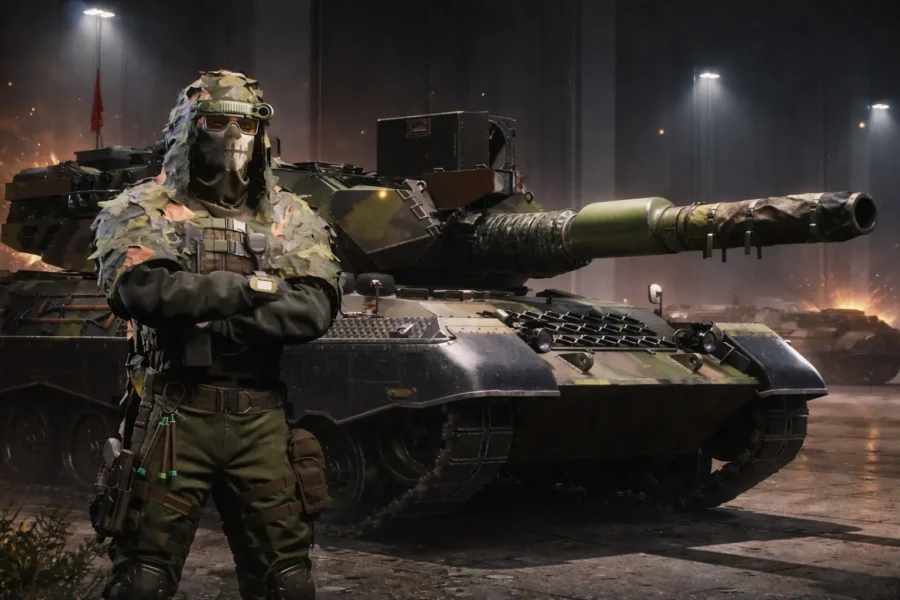
This is where HEAT separates itself most clearly from World of Tanks HEAT players are used to. Every vehicle has active unique abilities — not passive buffs, but tools that physically alter the battlefield. Understanding these abilities, and how to counter them, is mandatory for any serious HEAT guide.
Deployable Cover — Challenger
The Challenger deploys a physical barrier on the battlefield. One of the strongest defensive tools in the game when used with correct strategy.
- Creates hull-down positions in open terrain where none exist naturally.
- Protects the lower glacis (the front lower plate, a common weak point) during forward holds.
- The cover absorbs roughly two to three direct hits before collapsing.
Counter: Don’t shoot directly into it. Flank, apply sustained pressure to force repositioning, or use indirect fire and ability strikes to bypass it.
Decoys and ATGMs — French Wheeled Vehicles
Fast-moving French armored cars use decoys to break target locks and create confusion, paired with ATGMs (Anti-Tank Guided Missiles) as secondary firepower.
- Use decoys while moving, not after stopping — a stationary decoy user is an easy target.
- The ATGM firepower on these vehicles is disproportionate to their size. Don’t ignore them in direct engagements.
Counter: Stay mobile. Break line-of-sight constantly. Punish during reload and cooldown windows — these vehicles are fragile when their kit is spent.
Burst Fire / Drum Magazine — Centauro-Type Vehicles
These vehicles trade sustained rate of fire for concentrated bursts of high firepower. Values are still being tuned, but the core mechanic is consistent: short windows of extreme output followed by a vulnerable reload cycle.
- Save burst windows for isolated or already-damaged targets.
- Commit to an angle before firing — the target needs to be locked in before you open up.
Counter: Survive the volley and punish the reload. These vehicles have limited sustained firepower output once the burst is spent.
Ability Quick Reference
| Vehicle Type | Primary Ability | Best Used For | Main Vulnerability |
| Challenger | Deployable Cover | Hull-down, area denial | Flanking, indirect fire |
| French Wheeled | Decoys + ATGM | Hit-and-run, disruption | During cooldown/reload |
| Centauro-type | Burst Fire (Drum) | Burst damage on isolated targets | Between burst cycles |
| Abrams | Frontline abilities | Direct engagement, area control | Multi-angle pressure |
Damage System Explained: Weak Points, Modules & How to Deal More Damage
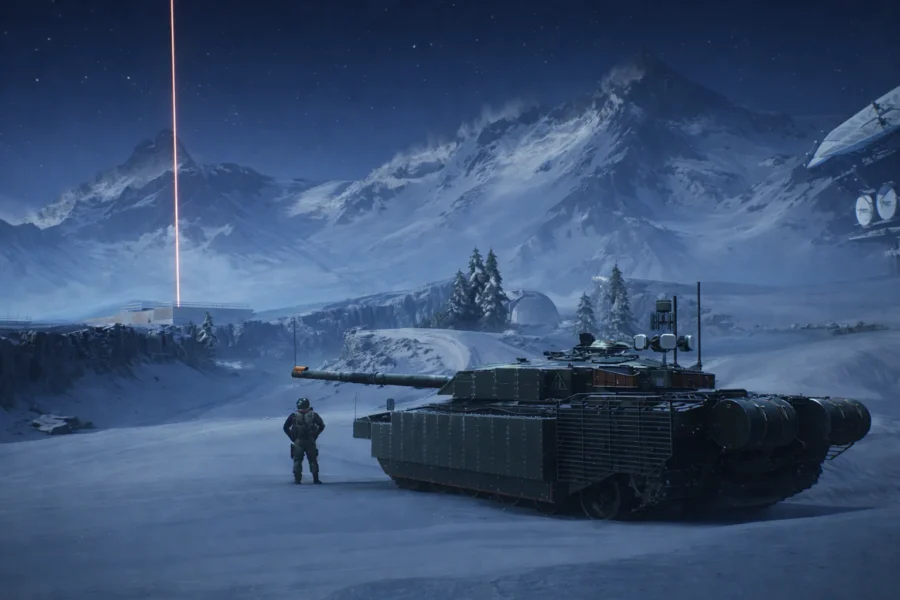
This is the system that makes HEAT genuinely worth playing for any tank warfare enthusiast — and the one that takes the longest to master. It’s also the biggest single differentiator from World of Tanks HEAT veterans will immediately notice.
How Damage Actually Works
Damage in HEAT is not flat. Where you hit, and what internal module you hit through, determines the outcome far more than base shell statistics.
| Hit Location | Approximate Damage Multiplier |
| Side armor (baseline) | 1x (e.g., 300 HP) |
| Engine block | ~2x |
| Ammunition rack | ~4x |
| Crew compartment | Significant crew effect |
This is a genuine knowledge gap, not a stats gap. A player who understands tank internals will consistently outperform a mechanically equal player who just aims center mass.
Convergence and Shot Accuracy
Full convergence — waiting until your reticle completely tightens — makes shots highly predictable, landing close to the center of the reticle with minimal deviation. This dramatically reduces the RNG factor that defines so much of World of Tanks HEAT players are migrating from.
Practical tip: Never fire on a partially converged reticle when targeting a specific module. The risk of deflecting onto unintended armor surfaces — and wasting the shot entirely — is too high.
Add-On Armor and ERA
Even perfect aim doesn’t guarantee results if the target is running Explosive Reactive Armor (ERA) or external screens over a critical module.
- ERA significantly reduces damage from a correctly placed shot if it sits over your target zone.
- Target selection becomes two-step process: identify the weak point, then identify whether it’s covered.
- Avoid shooting directly into ERA panels — they exist specifically to absorb that.
WoT: HEAT Meta Guide: Best Tank Roles, Builds & Current Tier Strength
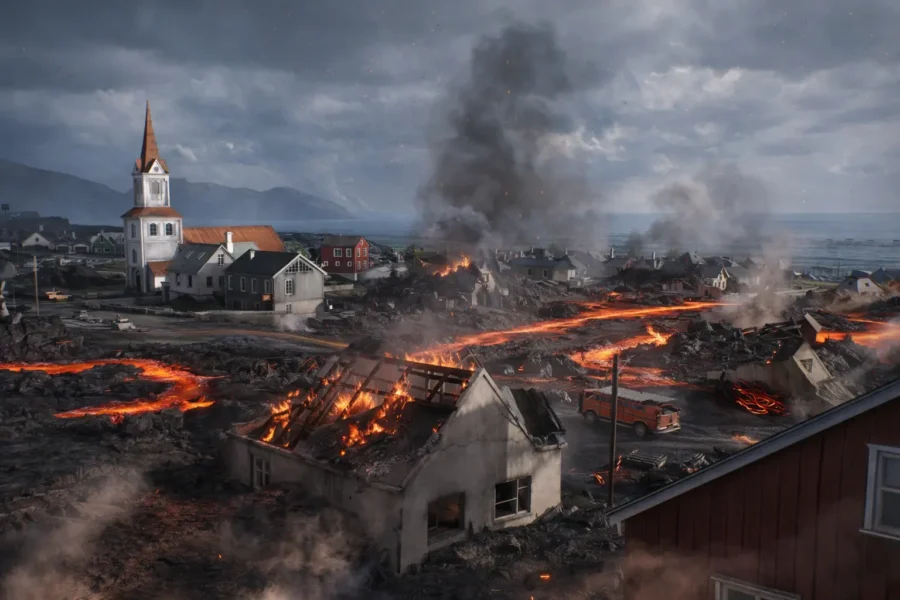
The meta is still forming, but the current state of the closed beta test shows clear patterns.
| Role | Example Vehicles | Strengths | Weaknesses |
| Frontline / Heavy | Abrams, Challenger | Durability, area control, defensive ability usage | Vulnerable to flanking and coordinated pressure |
| Mobile / Wheeled | French armored cars | Flanking, disruption, map control | Fragile, skill-intensive |
| Burst / Hybrid | Centauro-type | High burst firepower windows, objective clearing | Limited sustained output |
Current state of the meta: Mobility and ability usage outperform raw armor, especially in Conquest and objective modes. Pure defensive strategies are underperforming in the current build. That balance will shift as the eight agents and vehicles get tuned, but for now — move, don’t sit.
Positioning Guide: Best Map Control, Angles & Movement Tips
Good positioning in HEAT reduces incoming damage, increases your firepower application, and keeps your abilities relevant. Core principles:
- High ground = vision and control. Elevation lets you spot enemy movement and apply pressure safely.
- Urban areas favor heavy and defensive agent builds. Tight corridors neutralize flanking attempts.
- Open terrain is mobility territory. Fast vehicles exploit wide spaces to hit from unexpected angles.
- Static positions get punished. Abilities, missiles, and coordinated focus fire all target players who stop moving.
- Reposition after every engagement. Winning a fight reveals your location to every surviving enemy.
Combat Tips: How to Win Every Fight and Outplay Opponents
Before You Fire
- Wait for full convergence. The damage model rewards precision — a missed module shot is a wasted shot.
- Check ERA placement before committing. Adjust your angle if a critical target zone is covered.
- Know your cooldown state. Don’t engage when your agent skills are down, and theirs aren’t.
During the Fight
- Target side and rear angles. Every vehicle has exploitable geometry from non-frontal angles.
- Chain abilities with movement. Deploy cover, reposition, re-engage. Sitting inside your own ability is how you die to it.
- Disengage early when outnumbered. HEAT fights snowball fast. Two-versus-one is almost always a losing trade.
Decision-Making Framework
| Situation | Correct Response |
| Your abilities available, enemy’s on cooldown | Aggress — this is your window |
| Outnumbered or exposed | Disengage and reset position |
| Objective shifting | Rotate early — late arrivals enter lost fights |
| Focusing one target for too long | Check flanks immediately |
Beginner Mistakes: 10 Errors That Are Ruining Your Matches
These habits carry over from World of Tanks and similar titles — and all of them hurt your performance in HEAT:
- Playing too passively. Map control belongs to whoever moves.
- Ignoring agent skills and abilities. HEAT is not a pure shooter. Abilities are core, not optional.
- Shooting ERA directly. You’re doing exactly what it’s designed to stop.
- Saving abilities for the perfect moment. That moment rarely arrives. Cycle abilities constantly.
- Chasing kills over objectives. The team that controls the map wins, not the team with the most damage dealt.
- Overextending after respawn. Respawning without reading the map just means dying faster.
Match Flow Explained: Early, Mid, Late Game Strategy
| Phase | What’s Happening | What You Should Do |
| Early Game | Initial positioning, first objective contests, opening ability usage | Move fast, contest early, spend abilities — don’t hoard them |
| Mid Game | Heavy objective fighting, ability trading, coordinated pushes | Focus fire, rotate proactively, play to your agent’s role |
| Late Game | Momentum snowball, final objectives, isolated target cleanup | Punish overextensions, use high-impact abilities to secure zones |
HEAT matches don’t stall. Momentum shifts constantly. Losing early map control leaves a short recovery window — know when to fight for it and when to concede and reset.
Respawn System Explained: Why It Changes Strategy
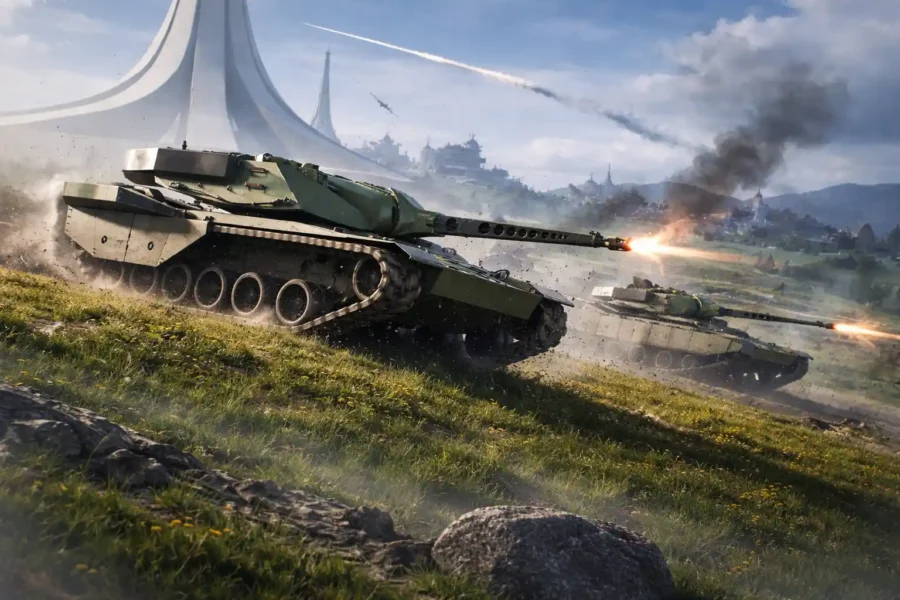
Unlike World of Tanks, HEAT includes respawns across most modes. This single design decision reshapes the entire game’s strategy.
- Aggression is viable. Calculated risks are worth taking when elimination is temporary.
- Map control matters more than vehicle survival. Winning is about holding objectives, not staying alive.
- Momentum replaces attrition. Eliminating enemies creates temporary openings, not permanent advantages.
- Bad positioning compounds. Respawning without adjusting your strategy leads to rapid consecutive deaths.
Players who treat HEAT like a one-life game will consistently underperform.
Progression Guide: Fast Leveling, Rewards & What to Prioritize
The progression system moves significantly faster than World of Tanks. This is deliberate — the developers want you reaching high-tier gameplay quickly to properly test the systems.
- Progress will be wiped after beta. Don’t grind purely for rewards.
- Experiment across roles. Understanding every vehicle archetype makes you a better player in your main role.
- Complete vehicle-specific missions. They accelerate rewards and force meaningful engagement with unfamiliar vehicles.
- Mechanics over tiers. A player with 50 hours of deep customization knowledge and agent skill understanding will outperform 200 hours of passive grinding every time.
Is World of Tanks: HEAT Worth Playing? Beta Impressions, Pros & Cons
Straight answer: yes — with conditions.
The core systems are strong. The damage model is genuinely interesting. The unique abilities and elite agents add real tactical depth. The strategy layer is meaningful. And for anyone frustrated by the RNG-heavy approach of World of Tanks HEAT offers a compelling alternative.
It doesn’t hold your hand. That’s either a selling point or a dealbreaker.
Play HEAT if you:
- Want faster, more skill-indexed tank warfare
- Enjoy hero-shooter-style unique abilities and agent builds
- Are tired of RNG outcomes in games like World of Tanks
- Like learning deep customization systems through direct gameplay
Hold off if you:
- Prefer slow, methodical, positional tank strategy
- Want polished onboarding before the full release
- Are a casual player looking for low-intensity sessions
Guide reflects the current state of the HEAT closed beta test. Mechanics, agent skills, and balance values are subject to change before full release.

Frequently Asked Questions
What is World of Tanks HEAT?
World of Tanks HEAT is a standalone free-to-play tank warfare game that introduces agent-based abilities, fast-paced combat, and a more skill-driven damage system compared to traditional tank games.
How is HEAT different from World of Tanks?
Unlike traditional World of Tanks, HEAT reduces RNG, focuses on module-based damage, and adds agent abilities, making gameplay faster, more tactical, and skill-dependent.
Is HEAT free to play?
Yes, HEAT is a free-to-play game with progression systems, customization, and cross-platform support planned for full release.
When is the HEAT beta available?
The closed beta runs from April 16 to April 20, 2026, with access granted through sign-ups on supported platforms.
What platforms is HEAT available on?
HEAT is playable on PC (Steam and Wargaming Game Center), Steam Deck, PlayStation 5, Xbox Series X|S, and GeForce NOW with full crossplay.
Does HEAT have crossplay and cross-progression?
Yes, HEAT supports full crossplay and cross-progression across all platforms, allowing players to continue progress anywhere.
What game modes are in HEAT?
HEAT features four main modes: Conquest (10v10), Control (5v5), Hardpoint (5v5), and Kill Confirmed (5v5), all focused on objective-based gameplay.
What are Agents in HEAT?
Agents are specialized characters that provide unique abilities and playstyles, similar to hero shooters, but integrated into tank combat.
How do abilities work in HEAT?
Abilities include offensive strikes, defensive systems, and tactical tools that can change the outcome of fights when used correctly and at the right time.
What is the HEAT damage system?
HEAT uses a module-based damage system where hitting critical components like engines or ammo racks deals significantly increased damage.
Does HEAT have RNG like World of Tanks?
HEAT still has some RNG, but it is significantly reduced, making accuracy, positioning, and knowledge more important than luck.
What is the best strategy to win in HEAT?
The best strategy is to focus on objective control, use abilities strategically, maintain strong positioning, and coordinate with your team.
How important is positioning in HEAT?
Positioning is critical, as poor positioning leads to repeated deaths due to the respawn system and ability-based gameplay.
Does HEAT have respawns?
Yes, most HEAT game modes include respawns, shifting the focus from survival to sustained team performance and map control.
What are the roles in HEAT?
HEAT includes roles like Assault, Defender, and Marksman, each with different strengths, abilities, and playstyles.
What are the best beginner tips for HEAT?
Focus on learning weak points, stay mobile, avoid overextending, use abilities wisely, and prioritize objectives over kills.
What mistakes do new players make in HEAT?
Common mistakes include ignoring objectives, playing too passively, misusing abilities, and not adapting positioning after respawns.
Is HEAT more skill-based than other tank games?
Yes, HEAT emphasizes mechanical skill, decision-making, and game knowledge more than traditional RNG-heavy tank games.
Does progress carry over after the HEAT beta?
No, all progress made during the closed beta will be wiped before the full release.
Is HEAT worth playing in the beta?
Yes, the beta offers a strong preview of a faster, more modern tank warfare experience, especially for players looking for skill-based gameplay.