The Mage enters WoW Midnight with one of the most refined and demanding identities in the game. Still the quintessential ranged glass cannon, the class now leans further into spatial manipulation, burst-window precision, and proactive defensive planning. Midnight does not reinvent Mage — it sharpens it. With legacy tools pruned and survivability shifted toward timing-based cooldown layering, all three Mage specs now reward players who plan ahead, manage resources carefully, and respect positioning above all else.
If you enjoy high-risk burst windows, tight cooldown discipline, and turning boss health bars into carefully calculated damage cycles, Mage in Midnight delivers.
In this guide, we’ll cover:
- The best Mage spec in Midnight, and where Fire, Frost, and Arcane each excel
- All major Midnight class changes and how pruning affects gameplay
- Defensive cooldown strategy, including Barrier cadence and Alter Time timing
- In-depth Fire, Frost, and Arcane rotations for single-target and AoE
- Burst window discipline, including Combustion planning, stack management, and mana cycles
- Stat priority, gearing philosophy, and how to approach tier sets
- PvP talent considerations and win conditions
- UI and add-on recommendations to optimize tracking and execution
Update Note: This Midnight pre-patch guide focuses on evergreen decision-making—cooldown pairing, stack spending rules, and movement discipline—that will remain valid after the March 2, 2026 launch, even as tuning numbers shift.

Midnight Mage Changes Explained (Pre-Patch & Launch Updates)
The transition into Midnight features a significant pruning of the talent tree. Midnight doesn’t just nudge the Mage kit—it trims it. A Mage who ignores their utility is just a ranged DPS; a Mage who masters it defines the pace of the encounter.

What has Changed
Key removals include Displacement, Blast Wave, Shifting Power, Mass Barrier, Slow, and Supernova. In practical terms, this means fewer “get out of jail free” buttons and less passive cooldown reductions. Positioning is once again a primary skill.
- Global Removals: Ice Floes are gone as a universal class-tree mobility button (reallocated as a Frost-specific passive). On-demand “cast while moving” is no longer a general Mage tool.
- Reflection: While Displacement is removed, the new Reflection talent allows a Blink to act as a return point for a short window. It is castable while casting and unaffected by the global cooldown, functioning as a clean “mini-displacement” for tactical resets.
- Specialization Cuts: Mages have lost the “Slow” spell entirely. While Frost slows are baked into the damage, Fire and Arcane must now lean harder on movement and Crowd Control.
- CC Choice: Mages must choose between Ring of Frost and Mass Polymorph. In most coordinated environments, Ring of Frost is preferred for its zoning potential and shorter cooldown.
What Mages Still Bring
Mage value is still defined by a few high-impact tools. Arcane Intellect remains the essential raid buff. Time Warp defines the pull timer, while Counterspell remains the premier cast denial tool. Greater Invisibility, Spellsteal, and Remove Curse provide essential utility for handling tactical threat resets, dangerous magic buffs, and specific dungeon mechanics. In Mythic+, skip tools like Mass Invisibility often add as much tactical value as raw DPS.
Mage Defensive Changes in Midnight (Survivability & Cooldowns)
The current design shifts the Mage away from passive damage reduction toward a snapshot-based, high-frequency model for defensive cooldowns. Midnight rewards proactive defensives; reacting late is usually a death recap lesson.
Defensive Layering & Survivability
- Mirror Image: No longer provides a damage reduction component, and its duration is reduced to 15 seconds. Treat it as a utility tool for threat management rather than a major cooldown.
- Glacial Bulwark vs. Cold Snap: Glacial Bulwark is the standard, granting an extra charge to both Ice Block and your Barrier spell (Ice, Blazing, or Prismatic). Cold Snap remains an alternative for players requiring rapid, reset-based recovery.
- The Defensive Identity Trio: Spatial Manipulation (extra Blink charge), Time Walk (Blink reset on Alter Time), and Temporal Realignment (automatic Alter Time return) reshape repositioning logic.
- Barrier Cadence: All Barrier spells now sit on a 30-second cooldown baseline. You can no longer “paper over” rotational mistakes with constant shielding; plan your defensives like a schedule.
- Cauterize Synergy: Fire’s Cauterize now provides a substantial health reset. When paired with Sunfury synergies like Merely a Setback, the health decay is negated, turning a “cheat death” into a proactive full reset.

Best Mage Spec in Midnight (Fire vs Frost vs Arcane)
| Specialization | Best For | Pros | Cons |
| Fire | On-Demand Burst Windows | Strong damage on-demand for specific boss windows. | Not looking strong outside those niche windows. |
| Frost | Mythic+ & Kiting | Unmatched pace control; consistent output. | Lower raw damage ceiling than Arcane. |
| Arcane | Priority Burn Targets | Massive priority burst; unique AoE scaling. | Punishing rotation if interrupted. |
Fire Mage Guide – Rotation, Combustion & AoE

Fire is controlled chaos. Its damage isn’t about speed—it’s about window quality. Most losses don’t happen inside Combustion; they happen before it, when you mismanage Fire Blast charges or enter without a plan. Midnight punishes impatience. Good Fire Mageplay treats Combustion like a financial investment: enter liquid, exit ahead.
Fire Priority Rules
- Combustion Discipline: Never initiate Combustion without a full bank of Fire Blast charges. With Phoenix Flames removed, the spec has fewer “recovery” tools. Entering Combustion “dry” is the Mage equivalent of pulling without a flask.
- Fired Up: This Apex talent reduces your Fire Blast cooldown by 2.5 seconds per point, 2 points, whenever it procs.
- Downtime Philosophy: Outside of Combustion, Fire is more vulnerable. You are forced to hard-cast Fireball more frequently, increasing the risk of interruption. Use Scorch and Heat Shimmer to bridge these gaps.
- Heat Shimmer Logic: This gives Ignite a chance to make Scorch instant. It behaves like a below-30% Scorch regardless of the target’s health. When movement is forced, this is your primary pressure lever.
- Jump Strategy: Jump or strafe while fishing for Heating Up procs to prevent accidental long casts when an instant proc isn’t ready.
Fire Single Target & AoE
- Single Target: 1. Combustion (Banked Charges), 2. Meteor, 3. Pyroblast (Hot Streak), 4. Fire Blast (to convert), 5. Scorch (Heat Shimmer), 6. Fireball.
- Tier Set Bonus: The 12.1 class set 2-piece makes Pyroclasm cause Pyroblast and Flamestrike to always critically strike.
- AoE Rotation: Fire excels at high total damage through Ignite spreading and Meteor stacking on stacked enemies. However, this is often evenly distributed. To mitigate this, focus your primary rotation on the primary target while allowing direct damage and passive Ignite to handle the “padding.”
Frost Mage Guide – Rotation, Stacks & Mythic+

Frost’s power comes from stack discipline, not button mashing. Midnight shifts Frost away from old “proc fishing” and toward a defined generation → conversion model. It trades peak volatility for a “flat” damage profile that remains reliable throughout prolonged encounters, offering a higher degree of rotational forgiveness.
The Midnight Stack System: The Golden Rule
Frost gameplay relies on building toward a high stack cap (currently 20) via Flurry and Frostfire spells.
- The Golden Rule: Never cast Ice Lance on a target with zero stacks. Each Ice Lance consumes stacks; when the final stack removed is not replaced, your shatter damage drops sharply. Emptying to zero outside a planned window costs more than a missed global.
- The Six-Stack Rule (Spellslinger): When at six or more stacks, Ice Lance is the priority spender. Below that, Frostbolt regains priority to rebuild.
- Minimal Ice Lance Rule (Frostfire): Reserve Ice Lance primarily for Thermal Void windows.
Burst Loop & Common Mistakes
Shatter damage only happens if you respect your stacks. The burst is tied to Ray of Frost and its synergy with Comet Storm.
- The Loop: Setup with Frozen Orb (now follows targets) and Blizzard. Channel Ray of Frost; completing it enables an immediate Comet Storm.
- Ray Timing: Casting Ray of Frost into an obvious kick is not bravery; it’s charity. If an interrupt is imminent, cancel early to secure the burst.
- Hand of Frost: This Apex talent is a core identity lever, providing Ray of Frost charges and damage amplification. Casting Glacial Spike without a follow-up stack conversion wastes this potential.
Arcane Mage Guide – Burst Windows, Mana & Priority Damage
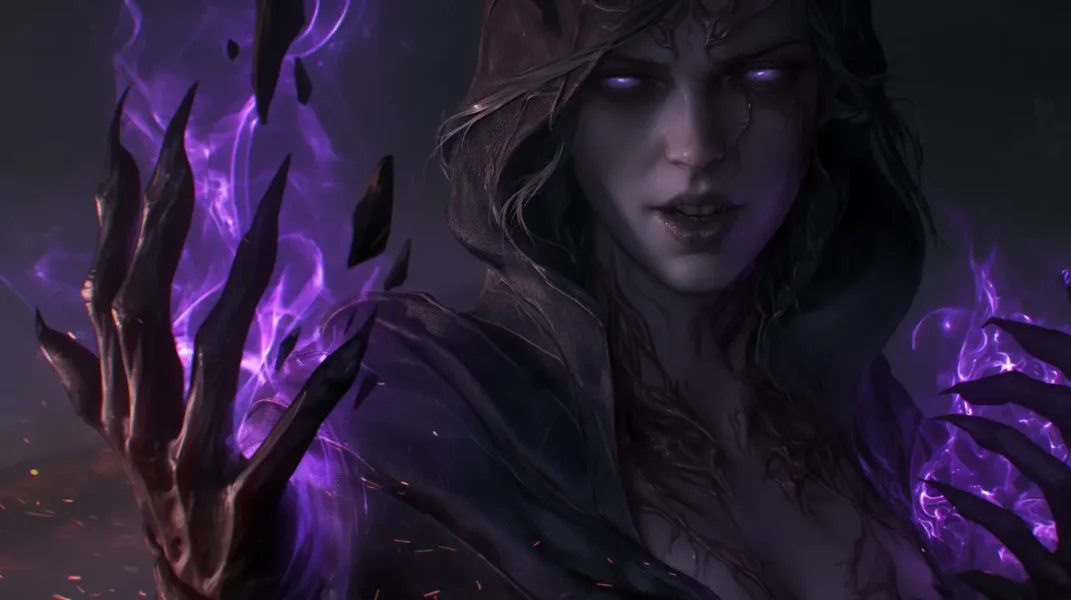
Arcane is the “mathematician’s spec”—less about pressing Surge and more about preparing for Surge. Your burst windows snapshot value, so entering them without mana, procs, or time to stand still is catastrophic. This makes Arcane disproportionately strong on encounters where priority targets exist inside multi-target environments.
Magi Window Discipline
The core rule is Magi Discipline: Never initiate the Touch of the Magi window without high Mana and procs ready. Snapshotting damage is the essence of Arcane; initiating a Magi window without resources results in a significant loss of burst potential. This is further reinforced by the Apex talent, Touch of the Archmage, which adds additional amplification and post-window value.
The Burn Cycle & Mana Management
Arcane mana costs scale aggressively. Managing the mana cycle is the difference between a top-tier parse and a liability.
- Main Cooldown: Arcane Surge drains mana for a hit, then grants a major damage increase and mana regeneration. Starting Surge right before a knockback is a lesson you only need to learn once.
- Burn vs. Mini-Burn: A “Full Burn” pairs Surge with Magi. A “Mini-Burn” uses Magi on its own between Surge windows to maintain a high damage floor.
- Arcane Salvo: Build stacks via Arcane Missiles and consume them with Arcane Barrage to reset mana costs and charges.
Gearing & Competitive Positioning

Gearing Rules
For gearing, use stat priorities as a baseline. Always sim your character. Tier set bonuses and unique trinkets found in early Midnight raids can flip priorities.
- Fire: Haste > Mastery > Versatility > Critical Strike.
- Frost (PvP): Priority shifts to Versatility (35%) and Haste (35%).
- Arcane: Mastery > Haste. Increases the mana pool.
Cooldown Pairing Cheat Sheet
In the Midnight pre-patch, cooldown timing is often more volatile due to rapid tuning.
- Fire: Meteor → Combustion → Fire Blast/Pyro chain.
- Frost: Frozen Orb + Blizzard → Ray of Frost → Comet Storm.
- Arcane: Touch of the Magi → Arcane Surge.
Best Add-ons & UI Setup for Mage in Midnight

Recommended Add-ons
- Unit Frames: Unhalted Unit Frames provide a centered, legible cast bar for timing shatter windows.
- Nameplates: Plater ensures enemy cast bars remain readable for last-second Counterspell timing.
- Action Bars: Bartender allows for icon condensation, keeping cooldown awareness central.
Visuals & Input
- Freezing Bar (Frost): Include tick markers for Ice Lance thresholds. In Frostfire, configure the bar to change color during Thermal Void.
- Defensive Bars: Track Alter Time and Ice Cold using duration bars with color thresholds (e.g., changing color at 75% and 25%).
- Input Optimization: Enable “Cast at Cursor” for ground-targeted spells.
- The Interact Key: Enable in-game options to interact with objects through proximity, reducing misclick friction.
- Cursor Ring: Helps locate the cursor during heavy visual effects and acts as a combat state indicator.
If you’re looking for a dedicated leveling guide, the principles above still apply—prioritize mobility and survivability over perfect burst alignment. Success in Midnight comes from respecting your “windows.” Master your resources, and the meters will follow.

Frequently Asked Questions
What is the best Mage spec in WoW Midnight?
The best Mage spec in Midnight depends on the content you are playing. Fire excels in long raid encounters with strong execute pressure, Frost dominates Mythic+ due to control and consistent output, and Arcane provides unmatched priority burst damage. There is no single “best” spec—each specialization has a clear niche.
Is Mage good in the Midnight prepatch?
Yes, Mage remains one of the strongest ranged DPS options in the Midnight prepatch. While the class received a substantial rework to its defensive toolkit, its damage output and burst windows remain highly competitive across raids and Mythic+.
What changed for Mage in Midnight?
Midnight introduced significant pruning to the Mage toolkit, removing abilities like Displacement, Slow, and Mass Barrier. Survivability now revolves around proactive cooldown usage such as Ice Block, Barrier spells, and Alter Time rather than passive damage reduction.
How do you play Fire Mage in Midnight?
Fire Mage revolves around Combustion window discipline. You should bank Fire Blast charges before activating Combustion, convert Heating Up into Hot Streak efficiently, and maximize instant-cast Pyroblasts during burst windows. Outside Combustion, careful movement and Scorch usage are critical.
What is the Fire Mage single-target rotation in Midnight?
Fire Mage single-target priority is:
- Combustion (with banked charges)
- Meteor
- Pyroblast (Hot Streak)
- Fire Blast (to convert Heating Up)
- Scorch (with Heat Shimmer)
- Fireball as filler
The spec’s damage heavily depends on executing clean burst windows.
How does Frost Mage stack management work?
Frost Mage relies on building and consuming stacks (up to a high cap, currently 20). You should never cast Ice Lance at zero stacks, as doing so significantly reduces Shatter damage. Proper generation and conversion define Frost’s consistency.
What is the Frost Mage AoE rotation in Midnight?
Frost AoE focuses on Frozen Orb, maintaining Blizzard for Freezing Rain, and using Comet Storm and Glacial Spike effectively. When enemies are stacked, coordinated burst windows can deal massive cleave damage.
How do you play Arcane Mage in Midnight?
Arcane Mage revolves around burst windows and mana management. You prepare for Touch of the Magi windows by pooling mana and procs, then execute either a full burn (with Arcane Surge) or a mini-burn (Touch alone), depending on cooldown alignment.
What is a “Full Burn” and “Mini-Burn” for Arcane Mage?
A Full Burn pairs Arcane Surge with Touch of the Magi for maximum burst damage and heavy mana expenditure. A Mini-Burn uses Touch of the Magi between Surge windows without fully committing to a mana dump, maintaining a smoother damage floor.
What stats should Mage prioritize in Midnight?
For PvE:
- Fire: Mastery > Haste
- Frost: Mastery > Critical Strike
- Arcane: Mastery > Haste
In PvP, Frost often prioritizes Versatility and Haste for stability.
Is Critical Strike good for Mage in Midnight?
Critical Strike is valuable for Fire due to Hot Streak generation and for Frost due to Shatter interactions. However, Mastery often scales more consistently depending on specialization and build.
How important is Ice Block in Midnight?
Ice Block is more important than ever. With reduced passive mitigation, it serves as a primary defensive reset tool. Talents like Glacial Bulwark allow additional charges, increasing survivability in high-damage encounters.
How does Alter Time work in Midnight?
Alter Time snapshots your health and location. When reactivated, you return to that position and health value. Properly timing Alter Time before a predictable burst can completely negate large damage events.
What are the best Mage hero talents in Midnight?
Hero talents depend on specialization:
- Fire often benefits from Sunfury for burst synergy
- Frost can choose between Frostfire and Spellslinger depending on content
- Arcane benefits heavily from Touch of the Archmage and Surge amplification
Build choice depends on content type and encounter profile.
Is Mage hard to play in Midnight?
Mage difficulty increased in Midnight due to defensive pruning and tighter burst windows. While the core rotation is learnable, mastering positioning, cooldown discipline, and resource timing requires practice.
How does Mage perform in Mythic+ in Midnight?
Frost performs exceptionally well in Mythic+ due to control, slows, and consistent AoE pressure. Fire remains strong in coordinated pulls, while Arcane excels at priority-target burst within multi-target packs.
What is the best Mage PvP build in Midnight?
Frost is typically the most consistent PvP specialization due to control tools like Ice Nova and strong Shatter setups. Fire can dominate during Combustion windows, while Arcane relies heavily on clean free-cast burst setups.
What add-ons are best for Mage in Midnight?
Recommended add-ons include:
- Plater (nameplates for interrupt tracking)
- WeakAuras (proc and stack tracking)
- Bartender (UI management)
Tracking procs, cooldowns, and stack thresholds is critical for high performance.
How important is movement for Mage in Midnight?
Movement management is critical. With Ice Floes no longer a universal mobility tool, poor positioning severely reduces DPS. Proper planning around mechanics ensures uninterrupted burst windows.
Is Mage good for leveling in Midnight?
Yes. All Mage specs can level efficiently due to strong burst damage and crowd control. Frost provides the safest leveling experience due to slows and control, while Fire offers faster kill speed during execute phases.