Windrose drops you into a sprawling, procedurally generated pirate world where exploration drives everything — from your first scraps of wood on a beach to late-game dungeon runs across volcanic islands. Understanding how the archipelago is structured, where to go next, and how to navigate efficiently is the difference between steady progression and getting completely lost at sea.
In this guide, we’ll cover:
- How exploration works and the core gameplay loop
- All biomes in Early Access and what each one offers
- Key points of interest like dungeons, ruins, and camps
- Fast travel mechanics and how to use waypoint bells efficiently
- How the Discovery tab unlocks recipes and progression
- The buried treasure system and how to find hidden loot
- Essential exploration tips to save time and avoid common mistakes
What You Need to Know First
- Windrose launched Early Access April 14, 2026 — pirate survival RPG with procedurally generated islands and hand-crafted dungeons
- Three biomes available at Early Access launch: Coastal Jungle, Foothills, Volcanic — more planned
- Over 90 hand-crafted points of interest including dungeons, ruins, caves, temples, and shipwrecks
- Each world is unique — island layouts are procedurally generated but key encounters and dungeons are hand-designed
- Discovery tab unlocks recipes when you physically pick up a resource for the first time — co-op shortcut: have a friend drop items for you
- Fast travel uses craftable bells — up to 10 active waypoints at once, first bell found in the smuggler’s den
- Buried treasure system: read notes in Traveller’s Camps, craft a shovel, dig near marked trees
- Main story runs 50–70 hours, with character progression carrying between world seeds
What is Windrose, and How Does Exploration Work?
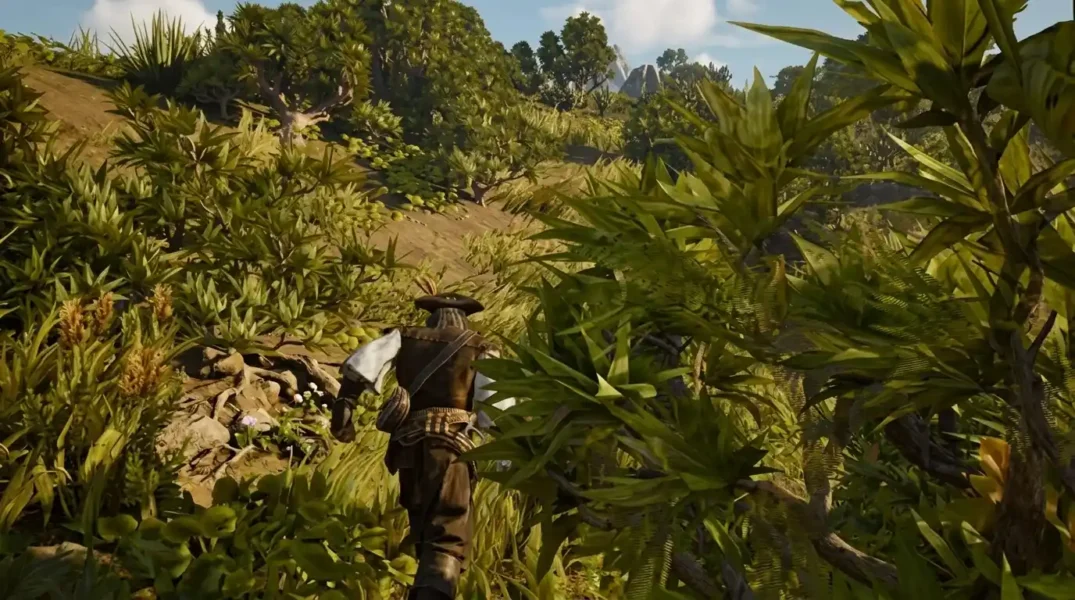
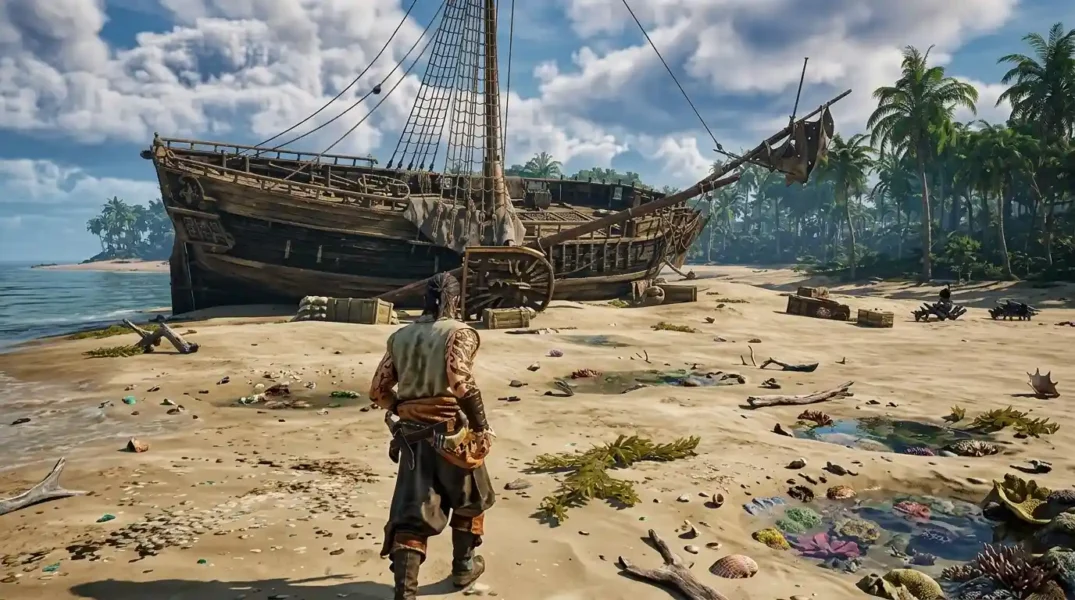
Windrose is a co-op pirate survival RPG developed by Windrose Crew and published by Pocketpair, built on Unreal Engine 5. You wash ashore after a shipwreck with nothing, build up from scratch, construct and upgrade your ship, fight through souls-lite combat, and push progressively into harder islands and biomes. The main story spans 50 to 70 hours, depending on playstyle, and the world around it is built from a procedurally generated archipelago layered with over 90 hand-crafted points of interest.
The core exploration loop is straightforward: clear your current island for resources and gear, upgrade your ship and loadout, then sail to a harder biome. Repeat. The procedural generation means no two world seeds are identical in island layout, but the dungeon designs, enemy encounters, and points of interest are always hand-crafted — you get consistent quality in content with unpredictable geography. Character progression carries between world seeds, so starting fresh doesn’t mean losing your levels or unlocked recipes.
What are All the Biomes in Windrose?
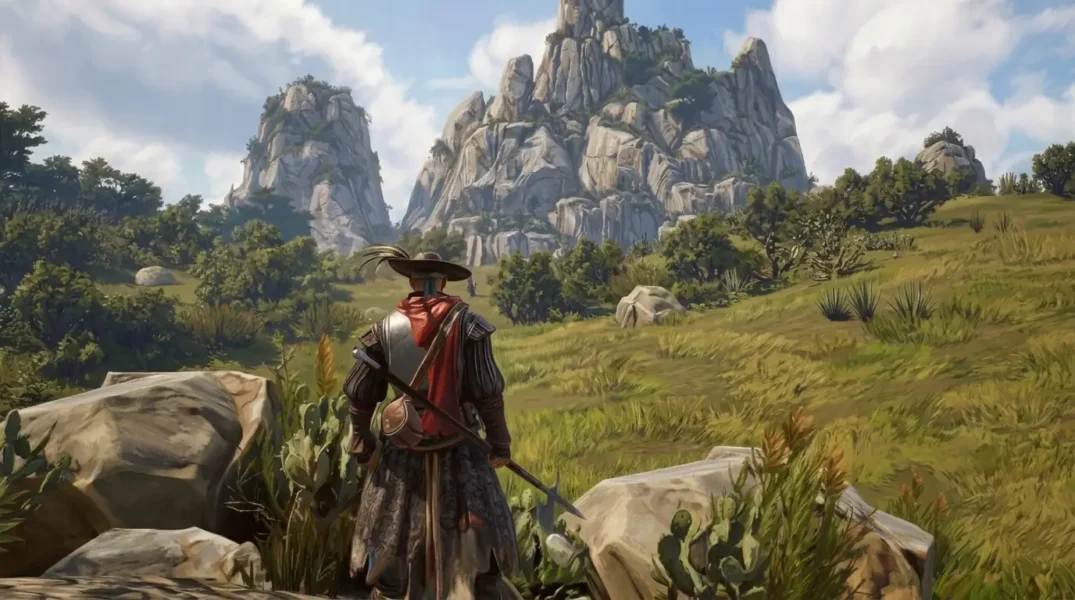
Three biomes are available in Early Access, with additional ones planned for later development:
Coastal Jungle — where does progression start in Windrose?
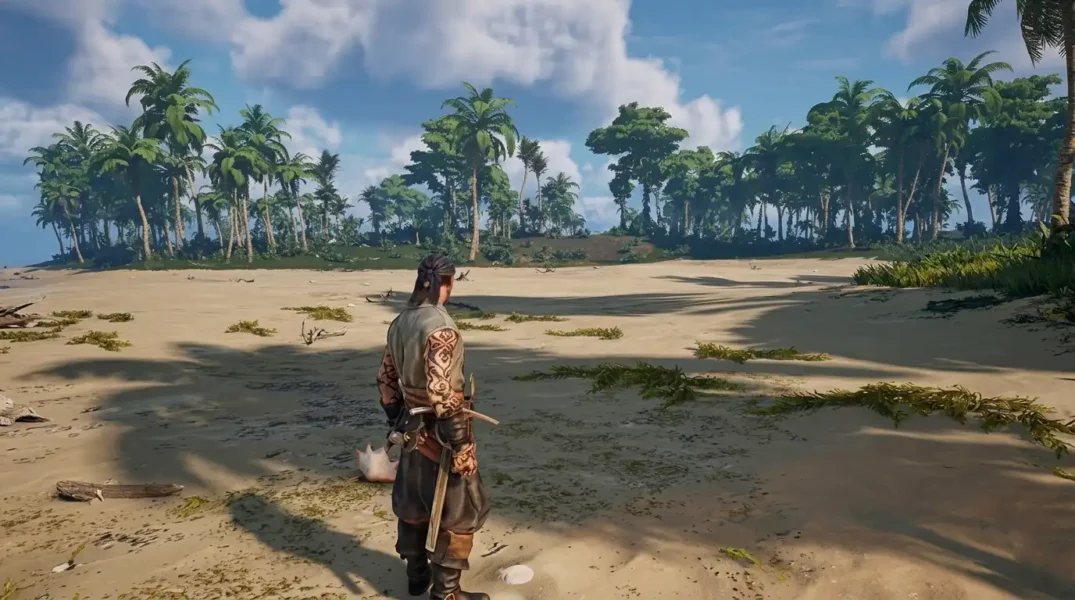
Small to medium islands with sandy beaches, shallow coves, and Pinewood forests. This is the safest environment in the game and the intended starting point for new crews. Enemy difficulty is low, resources are basic but accessible, and the fishing spots are excellent. Coastal Jungle islands are ideal for your first base — enough resources to establish yourself without immediate danger from high-level threats.
Key resources here: Wood, Plant Fiber, Stone, Coconut, Triton’s Horn, Closed Scallop Shells, Pearl (rare, from shells or undead), Crab Meat, Bird Meat, Animal Fat, Feathers, Boar Tusk.
The starting island contains the first boss, Captain Thomas Richards, who serves as the gate to Foothills progression. Clearing him is the prompt to move on.
Foothills — what does the mid-game biome in Windrose offer?
Dense, layered islands with Ironwood trees, exotic fruits, and dangerous predatory wildlife. Jungle islands are the best source of high-quality wood in the game and frequently contain ruins with map fragments and crafting schematics. The Foothills biome unlocks farming, advanced iron tools, and specialized combat elixirs — the crafting stations and heavy weaponry that define mid-game power.
New resources: Sulfur from yellow deposits on large rocks (vital for Homemade Gunpowder), Wolf Fang and Bezoar from wolves and goats, Iron Ore from cave deposits.
Volcanic Islands — what is the hardest biome in Windrose?
Hostile environments with rivers of lava, high-tier mineral deposits, and aggressive volcanic creatures. The risk is the highest in the current build, but volcanic islands contain Iron Ore veins, Sulfur, and occasionally Lava Crystals used in endgame recipes. Don’t push here until your gear is fully upgraded from Foothills materials.
What points of interest can you find while exploring Windrose?
| Location Type | Where Found | What’s Inside |
| Caves | Most medium-to-large islands | Ore deposits, rare mushrooms, NPC enemies — always dark, bring a torch |
| Ruins | Jungle and Abandoned Settlement islands | Puzzle locks, enemy guardians, Artifact Chest with unique blueprint or rare materials |
| Underwater Wrecks | Near treasure map fragment dive points | Sea Brass, rare cannon components, naval charts |
| Pirate Camps | Scattered across all islands | Gunpowder in supply boxes, daily respawn for consistent farming |
| Traveller’s Camps | Various islands | Notes leading to buried treasure, potential rare item drops including starter rapier |
| Sky Islands | Accessible via certain progression gates | High-tier loot, advanced enemies |
Ruins are the highest priority point of interest for progression. Successfully clearing a ruins complex rewards an Artifact Chest containing a unique blueprint, map fragment, or rare material cache. You need Rope in your inventory to rappel down into them — don’t show up without it. Tumbaga Ingots also come from ruins, which are required for weapon ascension at the Weaponsmith Station.
How does fast travel work in Windrose?
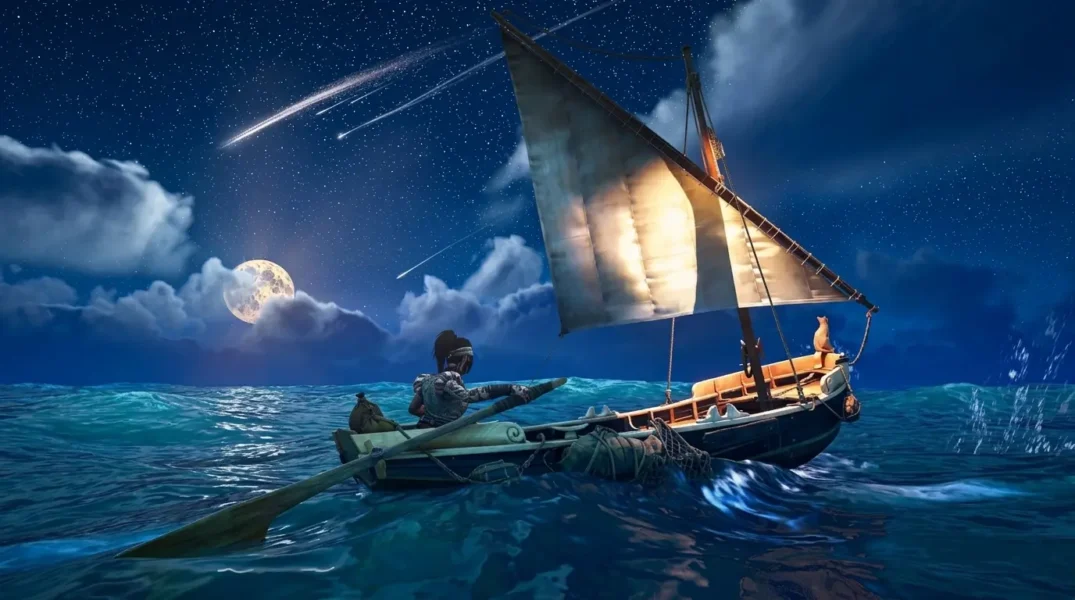
Fast travel uses craftable bells that create waypoints anywhere in the world. You can maintain up to 10 active fast travel points simultaneously. The first bell is found inside the smuggler’s den — retrieve it before doing anything else in that area.
After that, craft additional bells at your workbench. The most useful habit to build: place one bell permanently at your main base, and always carry materials for a second bell so you can drop a waypoint outside any dungeon before entering. This lets you teleport home to unload loot mid-exploration without backtracking the entire route.
How does the Discovery tab work in Windrose?
Almost every crafting recipe in Windrose is hidden behind a question mark until you physically pick up the required raw material at least once. Seeing a recipe appear in your Discovery tab means you’ve found and touched that resource at least once in the world.
The co-op shortcut is significant: you don’t need to personally harvest an item. If a squadmate drops a piece of iron on the ground and you pick it up, it permanently unlocks in your Discovery tab. This means a well-coordinated crew can fill out the Discovery list far faster than solo players by trading materials with each other during resource runs.
Later biome resource lists are locked behind story progression — defeating each region’s boss gates gives access to the next tier of the Discovery tab.
How does buried treasure work in Windrose?
Windrose has a dedicated buried treasure system that rewards careful exploration of Traveller’s Camps. The process:
Find a Traveller’s Camp on an island. A piece of paper (a note or a diary) lies on the ground near the tent. Read the note — it directs you toward a landmark described as “the tree with the red cloth.” Find the marked tree: a dead tree at a slight angle with a red rag tied around the trunk, located south of the camp. Craft a Shovel at your Workbench (requires 3 Copper Ingots and 10 Wood). Switch the shovel to Dig mode using X and Z to change modes (it defaults to combat stance, which catches players out). Dig at the base of the marked tree.
The reward quality scales with biome difficulty — Foothills and Volcanic buried treasure is meaningfully better than Coastal Jungle finds.
What tips make exploration more efficient in Windrose?
- Always carry torches. Caves are completely dark regardless of the time of day outside, and trying to mine or fight inside one blind is unnecessary. Bring at least three torches per cave run.
- Press K to summon your ship to any coastline. If you sailed in from a different part of the island and your ship is on the other side, you don’t have to go back for it.
- Press B while aboard your ship to start sea shanties. It’s cosmetic, but long island-to-island journeys are considerably more tolerable when your crew is singing. The community has broadly noted this as one of the best quality-of-life features in the game.
- Watch out for enemies two or more levels above you. The level indicator on enemies is honest — attempting to fight something significantly above your gear tier wastes consumables and usually ends in death.
- Save gunpowder for dungeons and bosses. It’s scarce in the early game, and the starting pistol is much more effective when used against concentrated, high-value targets rather than open-world wandering enemies.

Frequently Asked Questions
When did Windrose launch?
Windrose launched on April 14, 2026 in Early Access on Steam. The developers estimate 1.5 to 2.5 years before full release, with the full version expected to include roughly 50% more content.
How many biomes does Windrose have?
Windrose currently features three biomes at Early Access launch: Coastal Jungle, Foothills, and Volcanic. Additional biomes are planned to be added throughout development.
How does fast travel work in Windrose?
Fast travel in Windrose uses craftable bells that act as waypoints. You can have up to 10 active at once, with your first bell found in the smuggler’s den and more crafted later.
What is the Discovery tab in Windrose?
The Discovery tab is a recipe unlock system where crafting recipes remain hidden until you physically pick up the required resource. In co-op, picking up items dropped by teammates also unlocks them.
Does character progression reset between worlds in Windrose?
No, character progression does not reset. Your levels, talents, and unlocked recipes carry over between world seeds, allowing you to start fresh maps without losing progress.
How long is the Windrose story?
The main story in Windrose currently takes around 50 to 70 hours to complete, depending on your playstyle and how much exploration you do.
How does exploration work in Windrose?
Exploration in Windrose revolves around sailing between procedurally generated islands, gathering resources, clearing points of interest, and progressing into harder biomes.
Are Windrose islands procedurally generated?
Yes, island layouts are procedurally generated, meaning each world seed is unique. However, dungeons, encounters, and points of interest are hand-crafted for consistent quality.
What are points of interest in Windrose?
Points of interest include caves, ruins, pirate camps, Traveller’s Camps, underwater wrecks, and sky islands. These locations contain loot, enemies, and progression rewards.
How do you find buried treasure in Windrose?
Buried treasure is found by reading notes in Traveller’s Camps, locating marked trees, and digging with a shovel. Rewards improve in higher-level biomes.
What is the best starting biome in Windrose?
The Coastal Jungle is the best starting biome. It has lower enemy difficulty, accessible resources, and is ideal for building your first base.
Where can you find iron ore in Windrose?
Iron ore is primarily found in the Foothills biome and volcanic regions, usually inside caves or rocky deposits on larger islands.
What are the most important resources in Windrose early game?
Key early resources include wood, stone, plant fiber, coconut, and basic food sources. These are essential for crafting tools, building, and survival.
How does crafting and smelting work in Windrose?
Crafting requires gathering raw materials and unlocking recipes via the Discovery tab. Smelting copper ore and other metals is done using a smelting furnace to create ingots for advanced gear.
What tips help you explore faster in Windrose?
Use fast travel bells strategically, always carry torches for caves, avoid high-level enemies early, and place waypoints near dungeons to reduce backtracking.