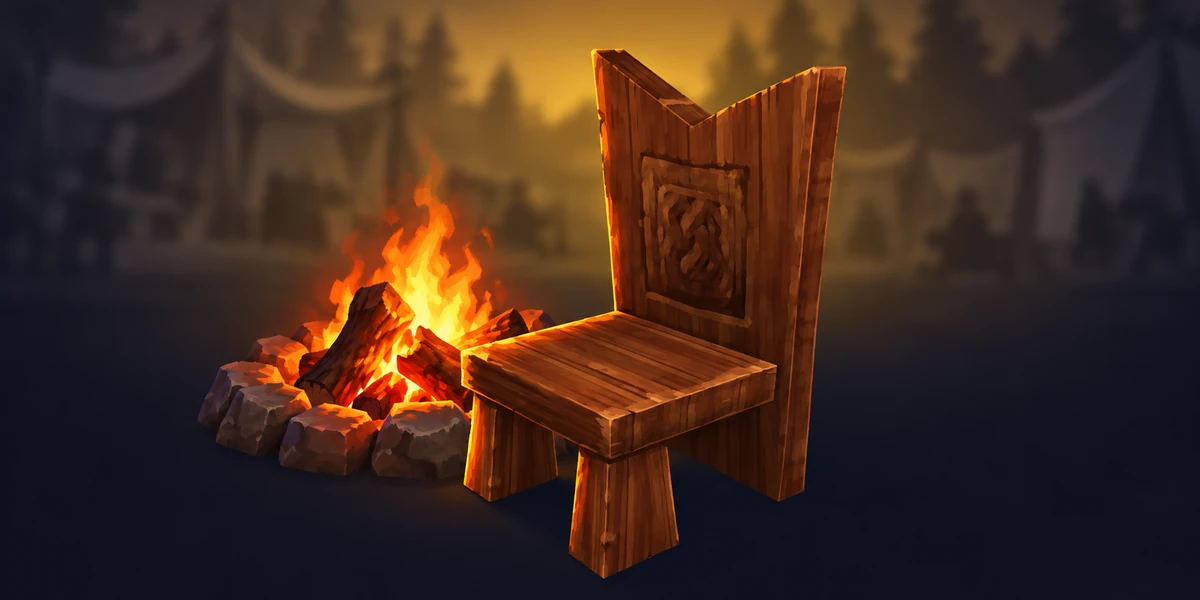
Updated October 30, 2026 for the run-up to the WoW Forever launch on November 4, 2026. Written from the beta; details can change at launch.
WoW Forever professions combine gathering and crafting with shared campsite buffs, profession stations and more than 600 added recipes. You can choose two primary professions and learn Cooking, Fishing and First Aid alongside them. This preview uses beta mechanics and client data: testing ended October 23, and launch is scheduled for November 4, 2026.
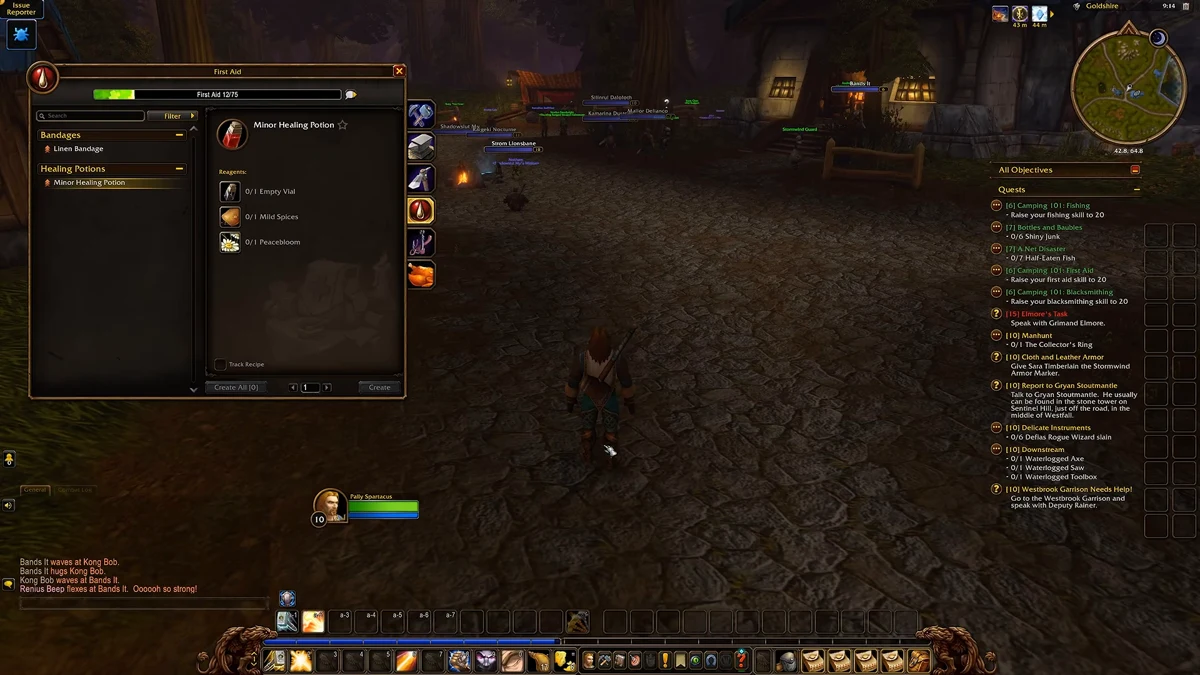
Screenshot: ItalianSpartacus on YouTube.
Tanning Rack: requirements and what it does
The Tanning Rack is Leatherworking's skill-140 campsite feature, used to produce certain reagents for more advanced Leatherworking crafts. It needs a nearby campfire and retains the rested-experience benefit of the earlier Camp Tent.
- Raise Leatherworking to 140 and learn its Tanning Rack Blueprint.
- Use a campsite with room for another feature; the rack can replace your existing Camp Tent.
- Rest nearby to receive its tent benefit, or use the station for recipes that need it.
The rested effect tops your reserve up to 5% of a character level; it does nothing if you already have more than that amount. The later Leatherworking station is the Sewing Machine, which enables recipes requiring that station.
What changed in WoW Forever professions?
Crafting keeps fixed ingredient requirements and consistent item stats rather than adopting the Dragonflight profession redesign. New and revised recipes support the leveling journey as well as higher-level crafting, with advanced camping Blueprints available from particular dungeon bosses.
Starting areas offer profession introductions and junior trainers, while an early quest around character level 3–4 rewards a Herbalism, Mining or Skinning manual. A gathering manual works only if you have not learned that profession and still have a primary slot free.
Profession progression also connects to account-wide Legacy Points and supply-crate rewards used to obtain recipes. These systems give you reasons to keep professions moving while you level.
How to build a campsite and get buffs
Cooking supplies the campfire, while other professions contribute objects that provide buffs, vendors or workstations. You can use another character's campsite feature without learning its profession.
- Learn Cooking and obtain Simple Wood plus Flint and Tinder from a general-supplies vendor.
- Craft a Basic Campfire Kit using one Simple Wood, with Flint and Tinder available, then choose an open-world location at least 100 yards from another campfire.
- Add profession objects: each character contributes one, and camping features share a one-hour cooldown.
- Sit or craft nearby for one minute to obtain the available benefits; campsite buffs last one hour.
The beta also allowed you to rest in a chair, sleep, lie down or kneel, and to cast or craft while waiting. Choose somewhere you can safely pause.
Buffs that reproduce a class effect do not stack with that effect, so check what your group already supplies before using a limited camp slot.
Campfire kits and object limits
Learning an upgraded fire and meeting its kit's use requirement are separate steps in the beta data.
| Kit | Additional objects | Cooking requirement |
| Basic Campfire Kit | 3 | Skill 1 |
| Journeyman Campfire Kit | 5 | Kit requires 140; Blueprint requires 90 |
| Expert Campfire Kit | 10 | Kit requires 220 |
Cooking also has its own campsite food and advanced station, separate from the fire upgrades.
Camp Chair and other basic camp buffs
The first profession objects generally unlock at skill 20 through introductory NPCs or profession trainers. Most numerical buffs scale with character level, so avoid treating a low-level tooltip as the maximum effect.
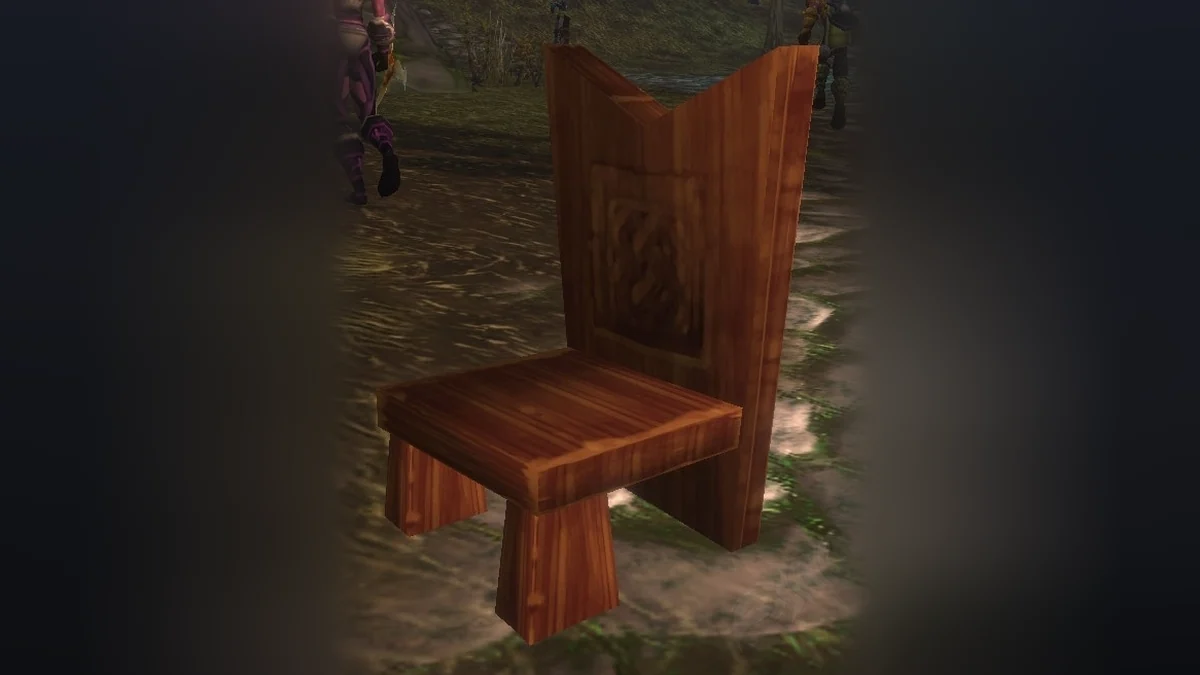
Camp Chair. Image: Wowhead.
Crafting profession objects
| Profession and object | Benefit | Class effect it overlaps |
| Alchemy: Mana Well | Mana regeneration every five seconds | Blessing of Wisdom |
| Blacksmithing: Sharpening Wheel | Strength in the beta tooltip | Strength of Earth Totem |
| Enchanting: Enchanted Lute | Armor, attributes and resistances | Mark of the Wild |
| Engineering: Reagent Bot | Reagent purchases and selling unwanted items | — |
| Leatherworking: Camp Tent | Rested-experience reserve | — |
| Tailoring: Faction Banner | Spirit for your own faction | Divine Spirit |
Faction Banner reaches 32 Spirit at character level 60 in the available data.
Gathering and secondary profession objects
| Profession and object | Benefit | Class effect it overlaps |
| Skinning: Camp Chair | 2% critical strike chance | Moonkin Aura |
| Mining: Lodestone | Melee Attack Power | Blessing of Might |
| Herbalism: Incense Candle | Intellect | Arcane Intellect |
| Fishing: Fish Bowl | 8% increased attributes | Blessing of Kings |
| First Aid: First Aid Kit | Stamina | Power Word: Fortitude |
The Camp Chair in WoW Forever comes from Skinning, rather than being a separate profession or a Cooking unlock. Choose your contribution around the benefit your group is missing.
Profession camp upgrades at 140 and 300
Tier-two objects require profession skill 140, while tier-three objects require 300; upgraded features add utility while retaining the profession's basic benefit. Their recipes use Blueprints, with advanced camping recipes tied to dungeon bosses.
Crafting upgrades
| Profession | Skill 140 | Skill 300 |
| Alchemy | Fermenter: produces reagents | Alchemy Laboratory: required by lab recipes |
| Blacksmithing | Anvil: portable anvil access | Master Forge: required by forge recipes |
| Enchanting | Arcane Salvager: better disenchanting returns | Arcane Forge: required by its recipes |
| Engineering | Repair Bot: reagents and repairs | Anarchist's Workbench: required by its recipes |
| Leatherworking | Tanning Rack: reagent production | Sewing Machine: required by its recipes |
| Tailoring | Spinning Wheel: reagent production | Loom: required by advanced recipes |
Spinning Wheel and Loom each have their own Blueprint; Loom replaces the wheel while preserving the banner's Spirit effect. Skill-300 Tailoring features were represented in client data rather than fully tested through ordinary beta progression.
Gathering and secondary upgrades
| Profession | Skill 140 | Skill 300 |
| Mining | Rock Garden: creates a common mining node over time | Molten Foundry: required by its recipes |
| Herbalism | Greenhouse: grows herbs from planted seeds | Seed Hybridizer: duplicates seeds or combines them into rarer tiers |
| Skinning | Field Guide: readers gain Track Beasts | Trapper's Workbench: contains one trap |
| Cooking | Cookie's Feast: Stamina food | Iron Oven: advanced cooking station |
| Fishing | Fishing Rack: uncommon catches for one hour and skill lures | Fishing Hut: rare catches for one hour and skill lures |
| First Aid | Toxin Study: healing potions and anti-venom | Plague Doctor's Laboratory: healing potions and poultices |
What each crafting profession makes
Alchemy
Alchemy produces mana potions, elixirs, flasks, oils and transmuted materials; Herbalism supplies its main ingredients. A Philosopher's Stone enables the conversion of thorium bars and arcane crystals into arcanite bars.
Early beta options included Minor Mageblood Elixir for mana regeneration and the short-duration Minor Frenzy, Minor Spellblasting and Minor Mender's potions for Attack Power, spell damage and healing respectively. Minor Mageblood Elixir requires character level 5 and lasts 30 minutes in the newer client data.
Ordinary healing potions belong to First Aid, while Alchemy's Discolored healing potions restore health immediately and then inflict part of that amount through poison or disease.
Blacksmithing
Blacksmithing works with ore and bars to create weapons, shields, mail and plate armor, weapon stones, shield spikes, weapon chains, skeleton keys, and rods for Enchanting. Some personal armor binds on pickup, including Sentinel's Sabatons.
Early examples include copper weapons and mail, plus rare Gemmed Copper Boots and Glowing Copper Boots. Plans: Gemmed Copper Boots requires Blacksmithing 35, while Glowing Copper Boots requires character level 10 to equip. Rough Weightstone adds two damage to a blunt weapon for 30 minutes.
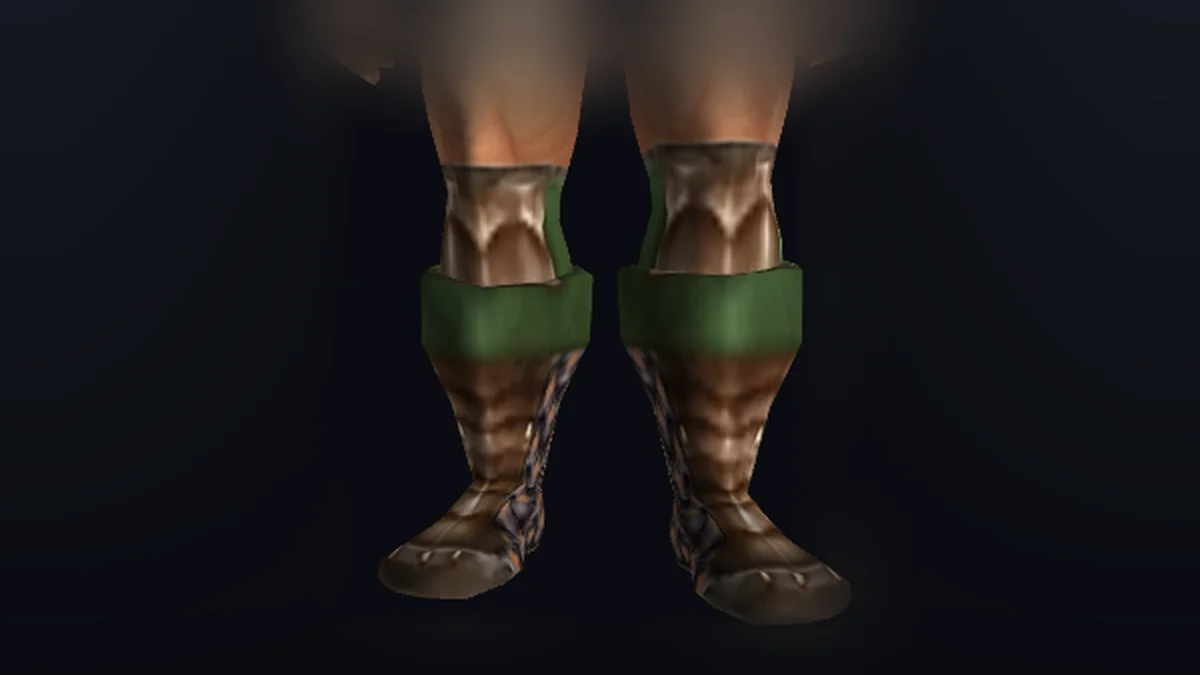
Gemmed Copper Boots. Image: Wowhead.
Enchanting
Enchanting destroys Uncommon or better equipment to recover materials for permanent gear enhancements, weapon oils, wands and other caster weapons. It also produces Paladin librams, Druid relics and Shaman totems.
Forever adds Dust to Motes, converting one Strange Dust into three Motes of Magic, and vendor-sold Motes of Magic. Green scrap obtained during play also supported early Enchanting progression in the demonstrated beta.
Personal crafts include Brilliant Wand, while neck enchantments can supply spell power. Crafted Common and Uncommon wands had a one-copper vendor value after the October 1 beta update. Treat those wands as equipment or skill progression rather than a vendor-gold plan.
Engineering
Engineering uses mined materials for explosives, ammunition, guns, scopes, goggles and utility devices. Its personal gadgets include Emergency Field Cloak, a trinket that briefly grants invisibility.
Early crafts include Rough Dynamite, Rough Copper Bomb, Rough Boomstick and Crude Scope; the beta's SAF-T Dynamite had no Engineering requirement for its user. Later specialization quests offer Goblin or Gnomish Engineering, with different exclusive crafts.
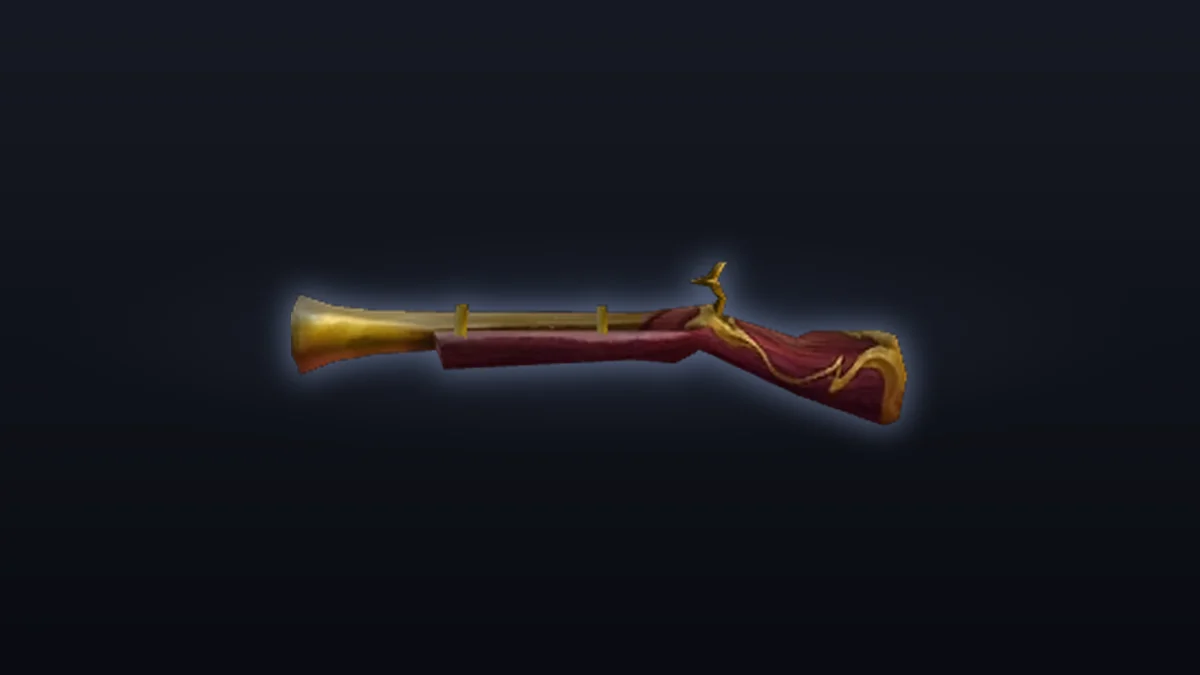
Rough Boomstick. Image: Wowhead.
Leatherworking
Leatherworking turns leather and hides into leather or mail equipment, armor kits, bags, quivers and ammunition pouches. Personal armor includes bind-on-pickup Wisdom's Leather Boots for healing.
Light Armor Kit adds one Stamina and eight Armor to a chest, leg, glove or boot item. Light Leather Quiver and Small Leather Ammo Pouch each provide eight slots and 10% ranged attack speed, while Light Leather Reagent Bag provides six reagent slots and its pattern requires Leatherworking 30.
Tailoring
Tailoring makes cloth equipment, cloaks, shirts, ordinary bags and specialized storage from cloth obtained through combat or purchases. It does not need a dedicated gathering profession, making Enchanting a practical partner for breaking down spare crafted gear.
New gear families support Fire, Frost, Arcane, Shadow, Holy damage and healing. Filigreed variants combine school bonuses with attributes; in the beta, Lord Cobrahn in Wailing Caverns dropped the Filigreed Shadow Gown pattern, while Lady Anacondra and Rhahk'Zor supplied Filigreed Silky Gown patterns.
Ordinary bag progression includes Linen, Woolen, Small Silk Pack, Mageweave and Runecloth bags with 6, 8, 10, 12 and 14 slots respectively. Reagent bags use a dedicated slot and offer matching capacities through the corresponding cloth tiers; higher Mooncloth and Bottomless versions appear in the profession data with 18 and 20 slots.
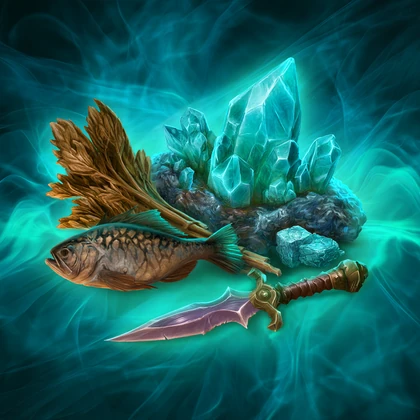
Gathering professions: tools and materials
Mining
Carry a Mining Pick, activate Find Minerals and gather veins for ore, stone, gems and scarce crafting materials. Smelting converts ore to bars and needs a nearby forge.
Blacksmithing and Engineering both use your output. Use the WoW Forever Mining guide when planning a dedicated mining progression route.
Herbalism
Activate Find Herbs to locate herbs on the minimap; gathering them requires no specialized tool. Herbs supply Alchemy, while Forever also adds herb seeds and scarce reagents.
Commonplace Herb Seeds appear in the beta client for the campsite-growing system. Keep seeds if you intend to use your Greenhouse.
Skinning
Keep a Skinning Knife in your inventory, fully loot a suitable dead creature and interact with it again to recover leather or hides. You can skin eligible creatures killed by other characters, but the October 1 beta build restored a single skinning opportunity per corpse.
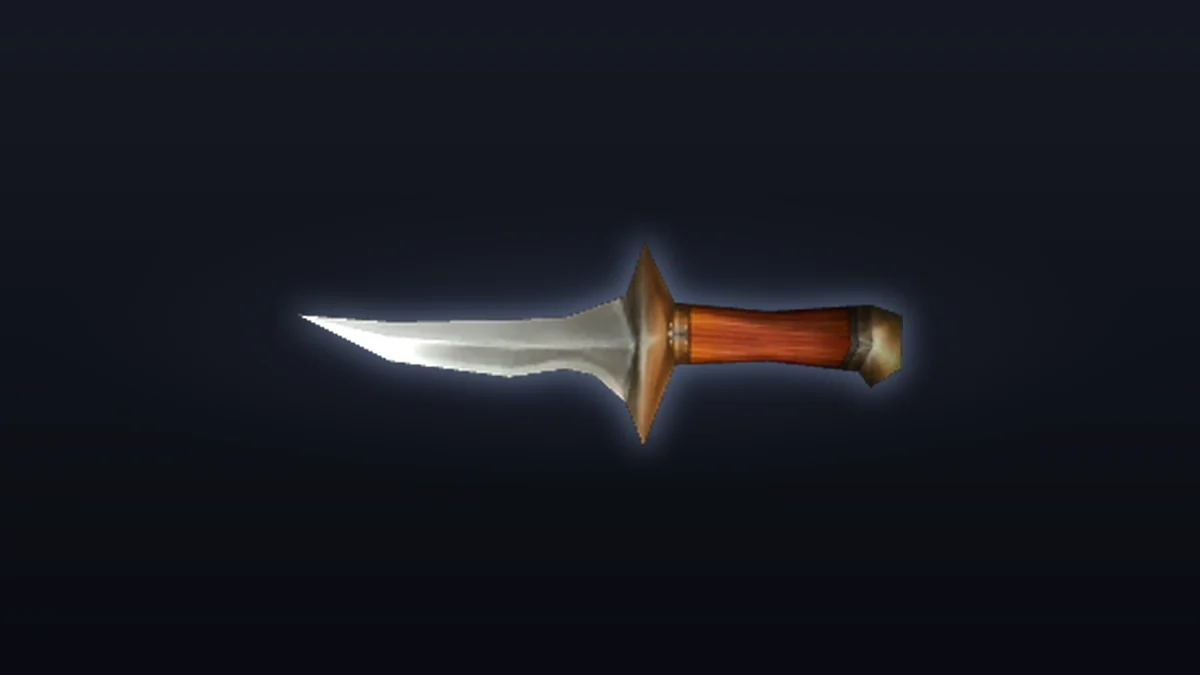
Skinning Knife. Image: Wowhead.
Leatherworking is the direct crafting partner, though certain Tailoring recipes also consume leather. Skinning follows the creatures you already kill rather than requiring a separate node-tracking route.
Cooking, Fishing and First Aid
Cooking
Cooking uses meat, fish and other ingredients at a heat source to make restorative food and buffs. Many Well Fed foods add 5% experience from enemy kills, rather than quest rewards.
In the client, Roasted Boar Meat and Westfall Stew require ten seconds of eating for their respective 15-minute Well Fed effects; the former increases Strength and the latter movement speed. Not every cooked item provides a buff: Charred Wolf Meat is an exception in the beta data.
Keep some food ready for a rest stop instead of treating Cooking only as a way to make the fire.
Fishing
Equip a fishing pole, cast into water and interact with the bobber when it splashes; Find Fish identifies nearby fishing nodes on the minimap. Catches supply Cooking and alchemical oils, with pools also yielding other items.
Fishing's early earning potential deserves attention, in one player's words:
Bad take on fishing. Extra trunks through Luremaster and bloated fish with the Fishing Rack buff are excellent gold sources.
— one player
First Aid
First Aid produces cloth bandages, healing potions, anti-venom, disease poultices and bleed-removing tourniquets. The demonstrated Minor Healing Potion recipe used Peacebloom, Silverleaf, Mild Spices and an Empty Vial without requiring Alchemy.
Linen Bandage restores 66 health over six seconds in the beta data. Healing Potion requires character level 12 and has a two-minute item cooldown in the newer client data.
Anti-Venom removes poisons up to level 25, Simple Poultice handles diseases up to level 25, and Woolen Tourniquet removes bleeds up to level 30; the poultice and tourniquet cannot be used during combat.
Which profession should you level first?
For WoW Forever professions, choose the pair that supports the equipment or consumables you want to make. Keep the secondary skills progressing alongside that pair.
| Goal | Pair | Why it fits |
| Warrior or Paladin leveling gear | Blacksmithing + Mining | Supplies weapons and heavy armor from gathered metal |
| Hunter, Shaman, Rogue or Druid leveling gear | Leatherworking + Skinning | Supplies leather and mail crafts from beast materials |
| Mage, Priest or Warlock gear | Tailoring + Enchanting | Converts cloth into equipment and spare equipment into enchanting materials |
| Potions and elixirs | Alchemy + Herbalism | Supplies herbs for consumable production |
| Gadgets and explosives | Engineering + Mining | Supplies metal and stone for engineering crafts |
| Raw-material sales | Two gathering professions | Lets you sell gathered goods while leveling |
Crafting can consume more gold than it earns during leveling when ingredients cost as much as finished goods, a concern some players raise when recommending gathering first. Compare the value of selling your materials with the value of the craft before committing to a large batch.
Dropping a primary profession removes its accumulated skill and learned recipes. Consider that cost before planning a later swap.
For a broader income plan, use the WoW Forever gold farming guide. The WoW Forever Professions service takes profession leveling work off your hands.
Skill ranks and efficient leveling
Profession rank caps are separate from character levels, and you stop gaining skill when you reach your current rank's limit.
| Rank | Skill cap | Profession skill needed to train |
| Apprentice | 75 | None |
| Journeyman | 150 | 50 |
| Expert | 225 | 125 |
| Artisan | 300 | 200 |
Tailoring requires character level 10 for Journeyman, 20 for Expert and 35 for Artisan in the available progression data. The completed beta had a character cap of 30, so ordinary testing did not cover Artisan Tailoring's full progression.
Orange recipes guarantee a point below your cap; yellow recipes usually grant one, green recipes grant one less often and gray recipes grant none. Train your next rank before reaching the current limit, then compare the cheapest useful orange or yellow crafts.
Skill windows changed for individual recipes: Minor Mageblood Elixir turns yellow at 30 and gray at 35, while Gemmed Copper Boots turns both yellow and gray at 40 in the beta client. An older leveling sequence can therefore stop working earlier than expected.
Keep raw cloth for deliveries and recipes rather than converting everything into bolts, and check existing bolt prices before buying raw cloth. The WoW Forever Profession Kits Boost handles assembling profession materials for you.
New recipes and Merchant's Favor
Fill Waylaid Supply Crates with the requested goods and deliver them to your faction's trade camp to earn Merchant's Favor. Apprentice crates award 5 or 10 Favor and Journeyman crates award 10 or 20, depending on their quality. Crates can also be purchased through the Auction House.
Recipe acquisition extends beyond trainers to vendors, quests and group-content drops. Plan for both currency purchases and dungeon patterns rather than assuming skill alone unlocks your next item.
Tailoring vendor locations
| Faction | Vendor | Location |
| Alliance | Mivin Shadowweave | Azeroth Commerce Authority camp near Three Corners, Redridge Mountains, about 10.0, 72.8 |
| Horde | Jim'bek | Durotar Supply and Logistics camp outside the Crossroads, Barrens, about 49.6, 29.4 |
Tailoring pattern costs
| Purchase | Tailoring skill | Merchant's Favor cost |
| Early spell-school patterns | 60–125 | 30 each |
| Later gear and reagent-bag patterns | 165–215 | 60 each |
| Higher-tier sandal patterns | 235 | 90 each |
| Tailoring Certification | 300 | 1,000 |
Early spell-school patterns unlock by slot: boots at 60, gloves at 75, sashes at 85, circlets at 100, gowns at 110 and leggings at 125. These pieces bind on pickup, so you craft them for yourself rather than buying the finished item from another tailor.
| Gear family | Focus |
| Shining | Holy damage |
| Shadow | Shadow damage |
| Pristine | Healing with a smaller spell-damage component |
| Pearly | Arcane damage |
| Flame | Fire damage |
| Silky | Frost damage |
Mageweave Reagent Bag unlocks at Tailoring 190 and Runecloth Reagent Bag at 215, each costing 60 Favor. Certification grants the cosmetic title The Tailor. Prioritize useful patterns before spending on the title or collecting every school variant.
Legacy points and camping perks
Legacy Points are shared across your account, but each character allocates them independently. At launch, Blizzard's stated limits are 16 spendable points per character and up to 65 earnable points.
Tailoring milestones at 150, 225 and 300 each award one point on their first account completion; repeating the same milestone on another tailor does not award it again. Crafting-tradeskill challenges cover six primary crafts and provide 18 points across their milestones.
Profession perks
- Working Overtime: Raises the skill-gain chance by 4% per rank, reaching 20% across five ranks.
- Bountiful Harvest: Increases the chance to discover Scarce materials while Mining, Herbalism or Skinning by 20%, 40%, 60%, 80% or 100% at ranks one through five.
- Performance Bonus: Offers a 5%, 10% or 15% chance to receive twice the Merchant's Favor from a supply-crate delivery.
- Bartering: Reduces vendor gold prices, with two ranks listed.
- Master Chef: Gives cooked recipes a chance to create an additional serving, with five ranks listed.
- Luremaster: Gives a chance to catch an additional fish while a lure is active, with two ranks listed.
- Dedicated Study: Grants one skill point to whichever of your primary or secondary professions is lowest, with a 23-hour cooldown; once both primaries and all three secondaries reach 300, it instead gives two to four random Elemental Essences.
Camping perks
- Field Guide: Shortens the cooldown for placing campsite features.
- Permanence: Extends party, raid and campsite buff durations.
- Reagent Economy: Removes purchased reagent requirements from class abilities and material costs from tier-one camping features.
Check the feature's tier before relying on Reagent Economy. Choose skill-gain perks while leveling crafts, gathering perks when collecting materials, or campsite perks when shared rests are your priority.